The Hope-Makers: Taira Malaney
Four artists from Goa, having witnessed the demolition of forests and natural habitats and the burgeoning of construction sites around them, aim to spark conversations through their work, while putting their audiences in touch with the natural world and reminding them of its beauty and resilience. In the fourth of a four-part series, Verve talks to Taira Malaney on how she has converted this trauma into hope, which she in turn transmits to her viewers…
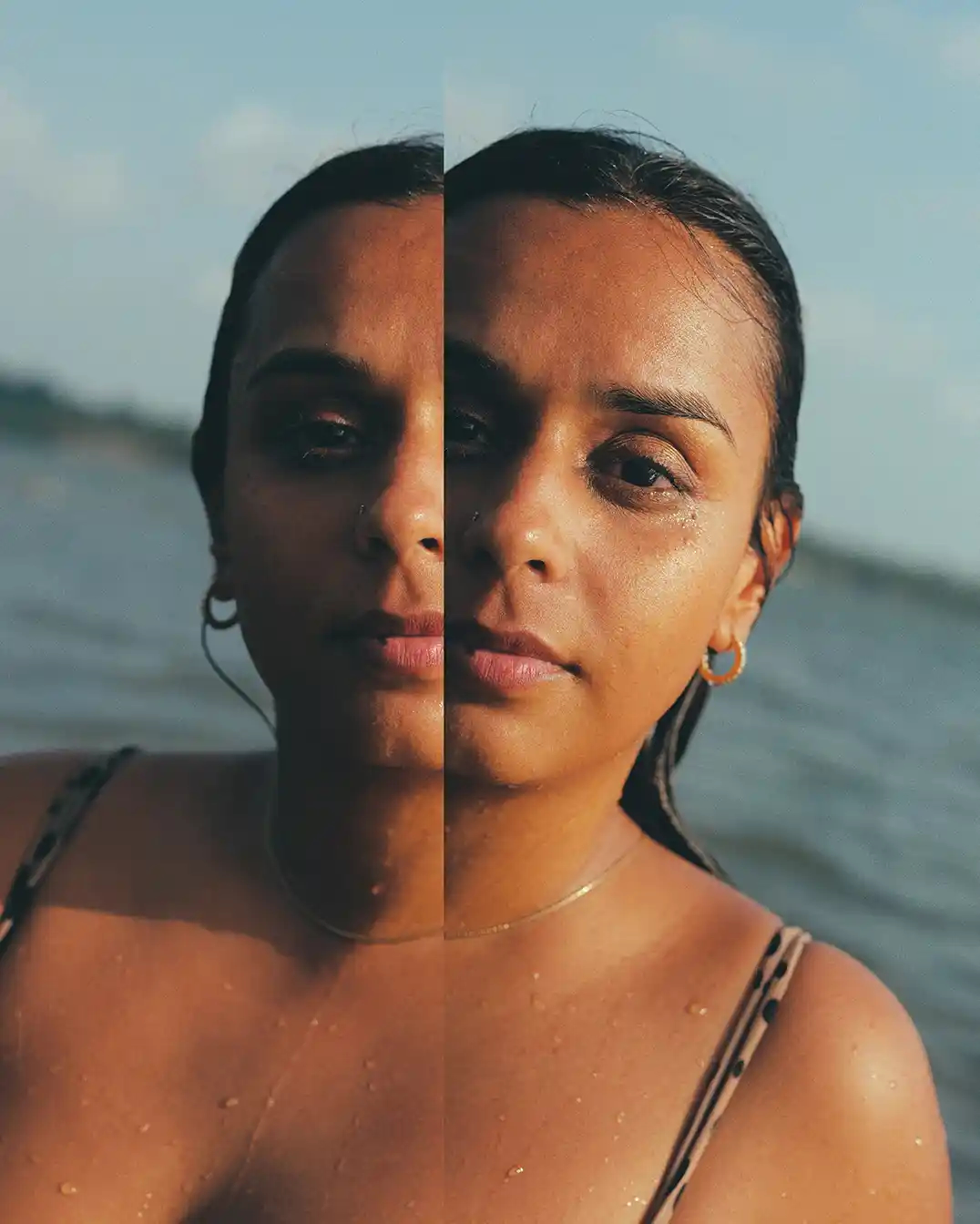
Thirty five-year-old Taira Malaney started making films more than a decade ago. Seven of those years have been dedicated to Turtle Walker (2024), her latest film and first full-length feature. The 75-minute documentary is based on the life of Satish Bhaskar who gave his life to researching and studying sea turtles in India.
Fascinated by the human mind, emotions and the motivations that drive human beings, the documentary film-maker specialised in developmental psychology — and particularly what fosters empathy in children — at Occidental College, Los Angeles. After returning to India, she joined the ReefWatch Foundation, a marine conservation NGO in the Andaman and Nicobar Islands, as a marine life teacher with the aim of educating children on the marine world. It was an interesting challenge: though the children were living on the edge of the most biodiverse coral reef in the country, they feared water since most didn’t know how to swim. Malaney began by showing them films about the marine world. She saw how the images gripped them to the point where they were ready to go and explore the ocean, and in the process she had a realisation that was to affect her future trajectory.
Excerpts from the conversation…
What was it like to witness the effect of the movies on the children you were teaching?
It was my first glimpse into how powerful films can be in connecting people to the natural world. I came back to Goa wondering what I was going to do, but I knew I wanted to tell stories that would bring people closer to nature. I started off by making short films that I self-produced — I’d fundraise, get grants…it was a self-taught journey. I’m still learning.
Did your outlook change during the making of the movie?
Well, I’ve grown as a storyteller. I understand that there has to be a really good balance in the way that we tell stories. On the one hand, there is this bigger picture of climate change and species extinction…. But, on the other hand, there’s a lot to appreciate as well — there is still so much natural beauty, and we need both of these in our stories. Our executive producer, James Reed (who co-directed My Octopus Teacher that won Best Documentary Feature at the 93rd Academy Awards), is a mentor to me. He told me I have to draw people into the narrative through beauty and wonder, and once I have them there, that’s when I can start to approach the conflict. If they’re not invested in it, it’s not going to work, you know? So I think I took that advice to heart with my first full-length feature Turtle Walker. It’s a very delicate balance because you don’t want to devastate your audience and have them feel like there’s no hope left.
Do you view the world with greater hope since becoming a film-maker?
Yes, being hopeful matters because it informs what you have to say. I am so lucky to be part of this group of wildlife film-makers and impact producers who are doing good and trying to make the situation better. More importantly, I’ve seen the impact that we, as a crew, have made through our films.
Earlier, I felt quite helpless. Because I think, on a personal level, it’s hard to come to terms with and grapple with these issues and figure out how to do something about them. But seeing the effect that our small crew has been able to have through this film is very empowering.
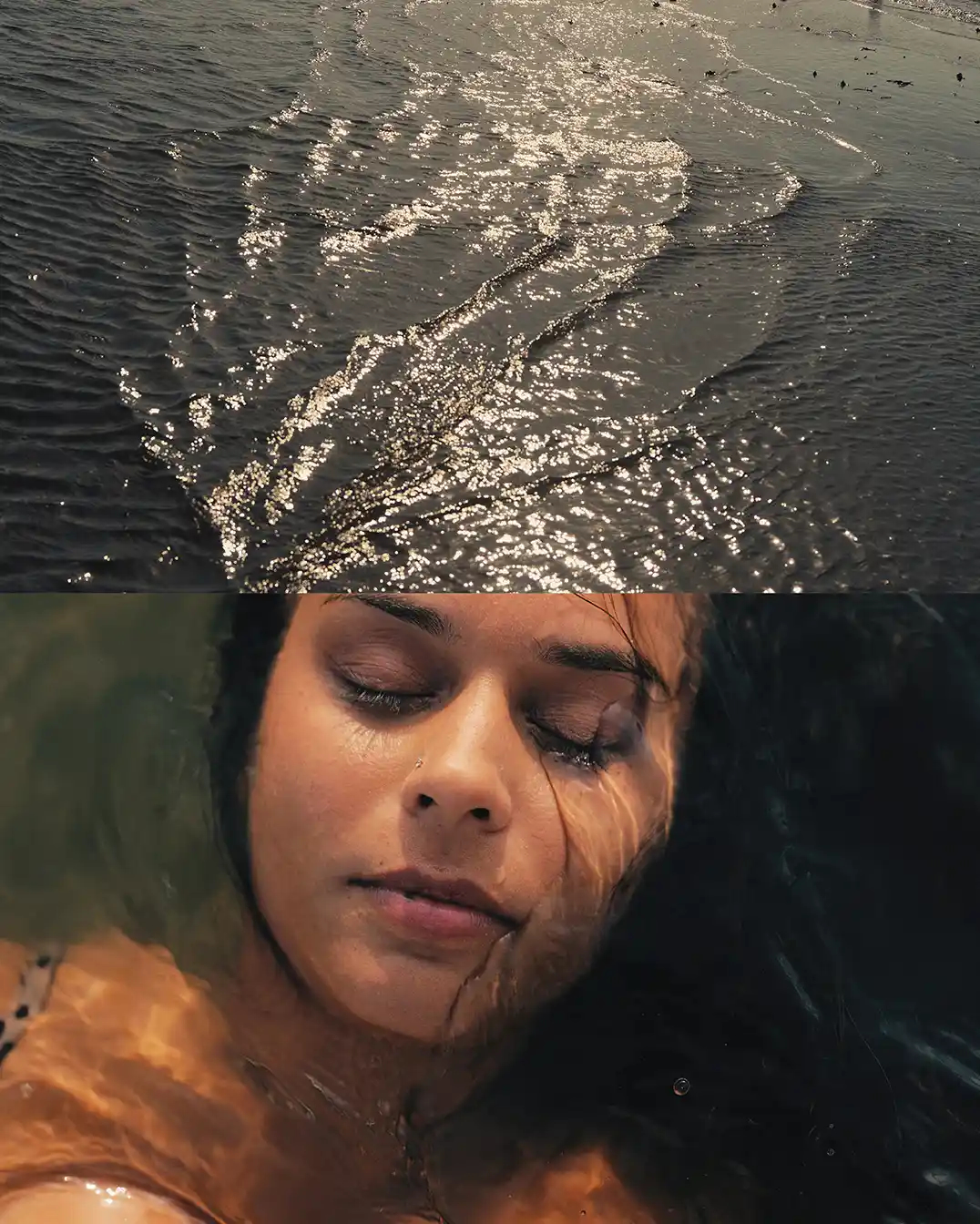
Who is an impact producer? How are they involved in the making of the film?
Film can have an impact on society but making a film is not the same as effecting social change. With impact production, you maximise the film’s ability to facilitate social change. We’ve already been running a campaign, using a teaser of the film, for the last five years. During pre-release, we helped set up a marine megafauna network along a part of India’s western coast. These are stranding rescue and rehabilitation centres for sea turtles, whales, sharks, dolphins and even seabirds. Similar centres have already been piloted in Karnataka but now the team has helped expand them to Goa and Gujarat and will, hopefully, soon set them up in Maharashtra.
There have been a lot of rescues but many were not live strandings. Even then, data was collected on why these sea creatures were getting stranded. A lot of them, they found, are ingesting ghost nets (lost or abandoned fishing nets) and being strangled by them. Now, we’re trying to help recycle ghost nets. The aim is to go beyond the symptom and address the cause.
After the release of the film, there’s going to be a whole other side to the campaign which is going to revolve around outreach programmes. We will be screening it at conferences and schools and for marine organisations. We’ve partnered with Teach For India’s teacher training programme to build a curriculum to introduce the film into schools. But the whole idea is to use the film to inspire people to feel a sense of wonder for what the marine world has, and to urge them to live thoughtfully within that ecosystem.
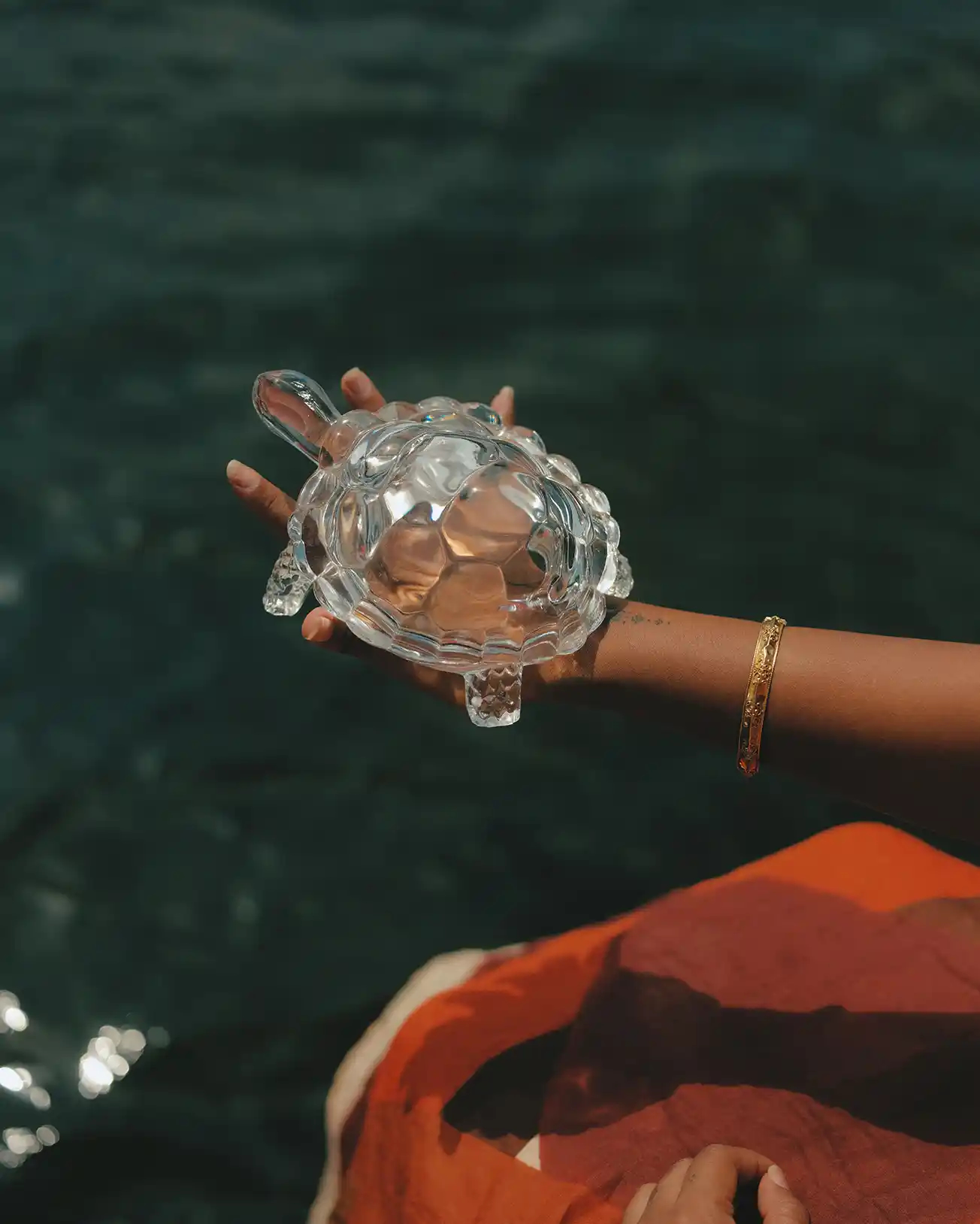
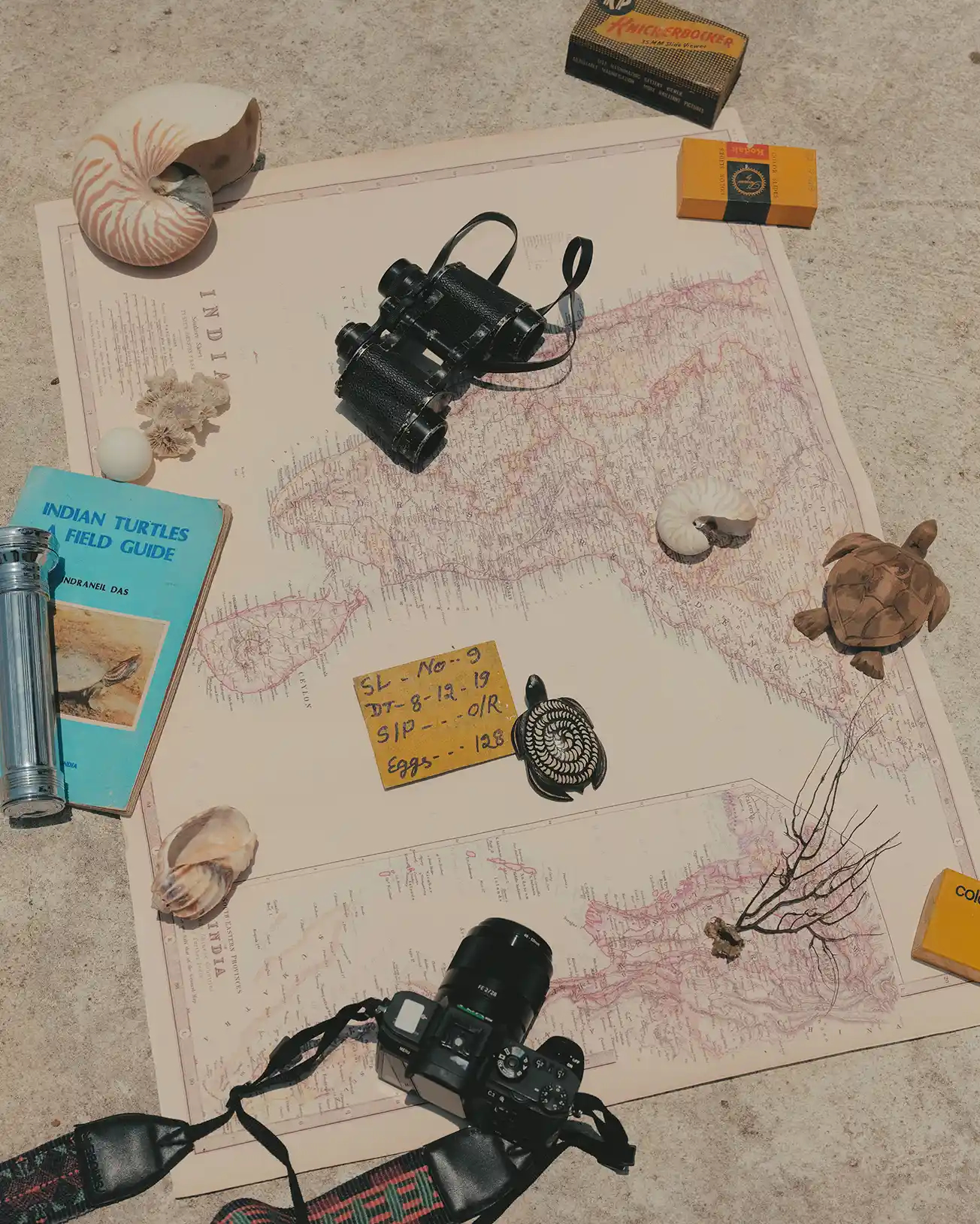
Tell us a little bit about what the film is about.
The story is about self-trained marine biologist Satish Bhaskar, who walked 4,000 kilometres along the coastline of India, to discover and study sea turtle nesting sites and other local species. He spent a lot of time in the Andaman and Nicobar Islands as well as Lakshadweep.
Bhaskar developed a passion for turtles and had a real connection with them. His experiences during this epic journey — getting marooned on islands, nearly starving to death — made for a great story.
And then he developed a nerve condition and had to retire. The tsunami hit the east coast of India in 2004, wiping out many islands in the Andaman Sea, destroying beaches and changing the topography. But the sea turtles came back to nest on the same beaches. So the story is about him going back to those beaches to discover how the turtles adapted.
Before him, there was no baseline data on turtles in India and these were being consumed for their meat and eggs; their shells being sold in the black market. Romulus Whitaker, a herpetologist based in India, saw the potential in Bhaskar, an IIT dropout. Bhaskar’s main interest was to swim in the ocean and “Rom” saw how fascinated he was with it.
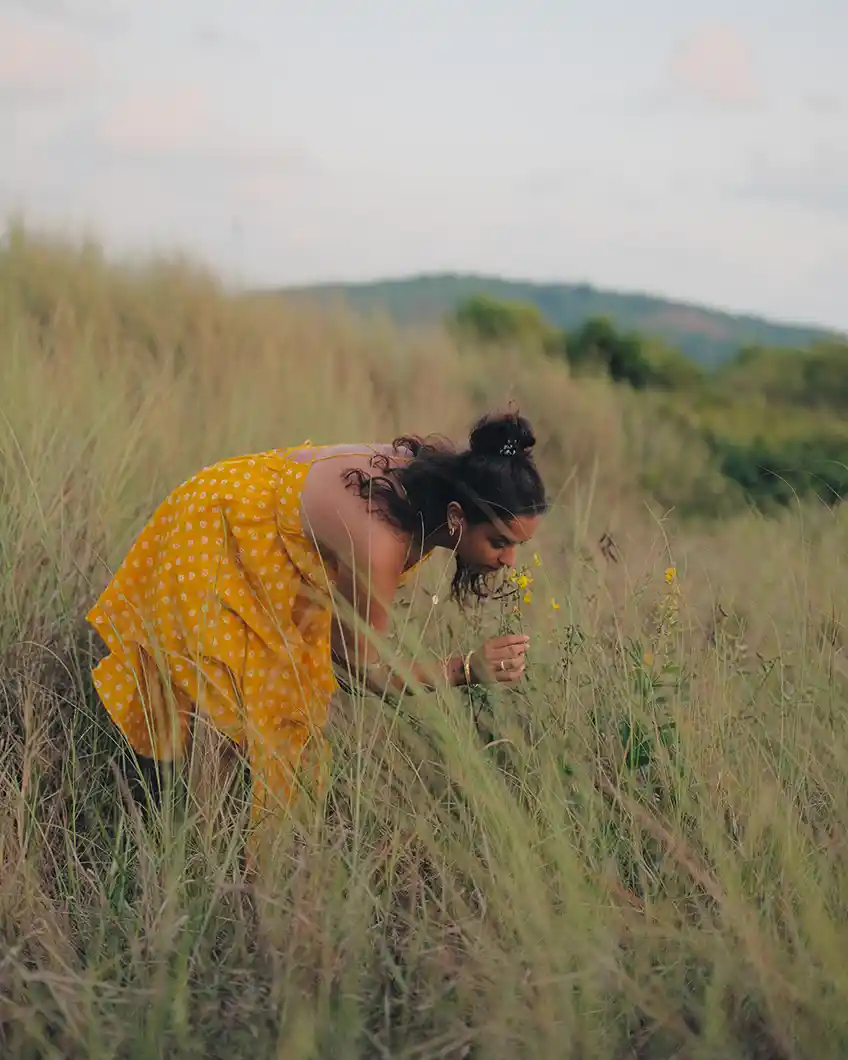
Do you think art is an effective way to bring awareness to larger issues?
I believe that. I wouldn’t be in this profession otherwise. But I don’t think art can do it alone. You have to use art along with a very clear and intentional plan and strategy to reach people, to give them the tools to do what’s needed – you have to develop the idea of an impact campaign. There has to be a practical side to it.
Are you thinking about your next story?
The next film is going to be a little bit more human-centric. As humans, I believe we’re most easily able to emotionally connect with other humans. It is difficult to communicate with animals, because human emotions are not always mirrored by an animal. So I think it is more powerful to build a narrative that is focused on people, even if the goal is to protect animals.
What kind of stories do you want to tell?
I want to tell stories about people and places that I’m most familiar with and connected to since those stories will be accepted as the most authentic. As a storyteller, it’s important to be able to build trust and be transparent. That’s been a huge learning experience for me through the years. I don’t think I’ve always told stories about communities that I’m most familiar with. But, in the future, that’s what I want to do.
The Hope-Makers: Waylon D’Souza
The Hope-Makers: Nimmy Joshi
The Hope-Makers: Svabhu Kohli