The Hope-Makers: Svabhu Kohli
Four artists from Goa, having witnessed the demolition of forests and natural habitats and the burgeoning of construction sites around them, aim to spark conversations through their work, while putting their audiences in touch with the natural world and reminding them of its beauty and resilience. In the third of a four-part series, Verve talks to Svabhu Kohli on how they have converted this trauma into hope, which they in turn transmit to their viewers…
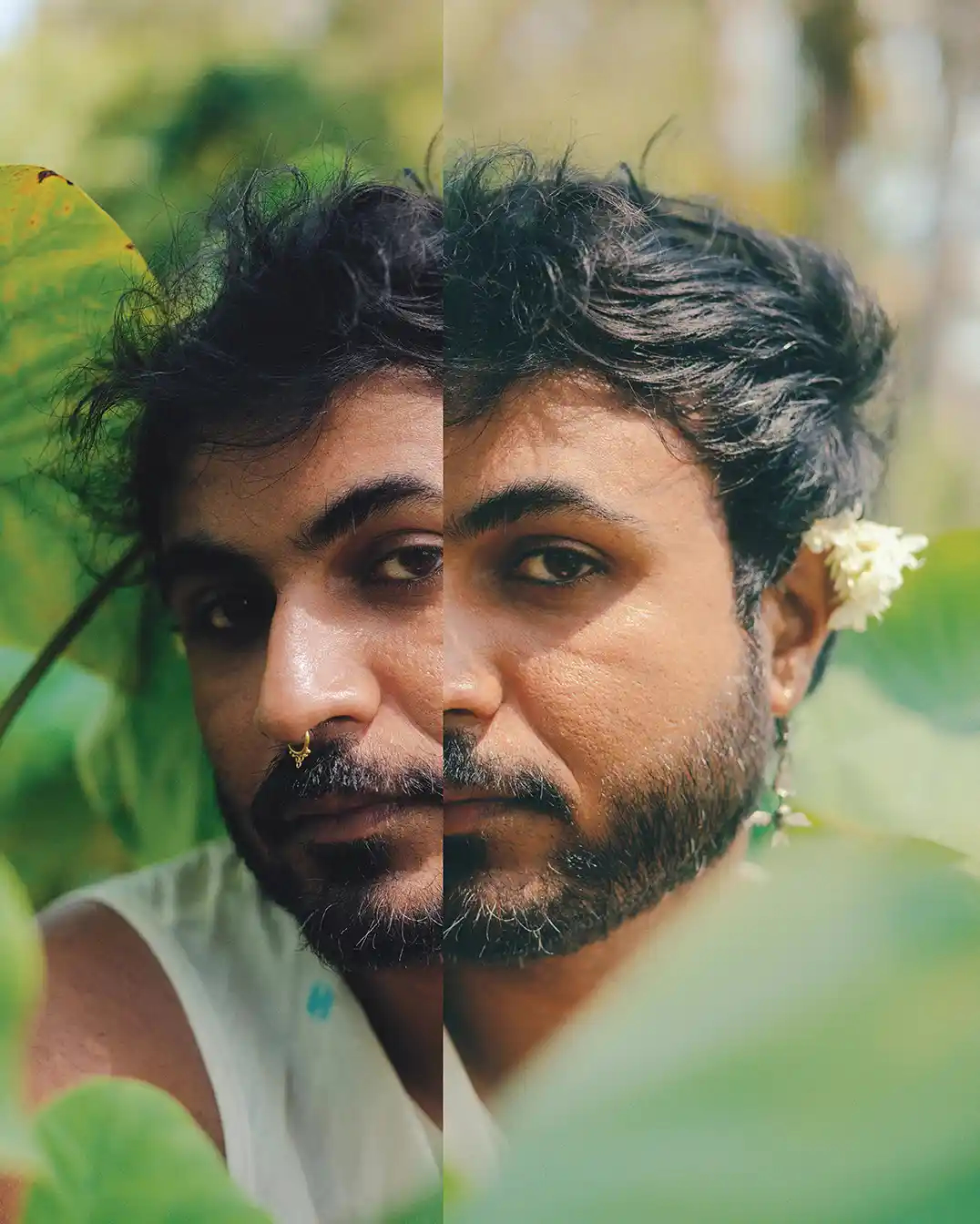
Thirty five-year-old Svabhu Kohli’s oeuvre — spanning large-scale murals, illustration, design, sculpture, installation, photography and film — thrives at the intersection of magical realism, visual storytelling and community building. Large, bold and detailed, it is reflective of the multidisciplinary artist’s depth of knowledge and dedicated to natural ecosystems, often showcasing the rich biodiversity at the meeting of two ecosystems – birds on trees on mountaintops are pictured along with the ocean floor replete with coral reefs and whales. Their recent immersive installation for Godrej Design Labs in Mumbai fabricated a moonlit walk through re-creations of plant and insect species endemic to the Western Ghats. Kohli grew up at the foot of the Aravalis, on the edge of a Delhi that no longer exists.
Even as they watched, Gurugram’s shiny towers sprang out of their beloved scrub forest that had been full of foxes and deer. Things once considered beautiful were supplanted by a concretisation that had no natural or cultural aspect. Kohli soon left to study at Srishti Manipal Institute of Art, Design & Technology, where they learnt “how to learn”. In Bengaluru, their educators —scientists and ecologists who worked with the local community — instilled learnings that Kohli took forward when they started travelling around the country to study ecosystems. Finally, they settled in Goa, in an untouched little village near Panjim.
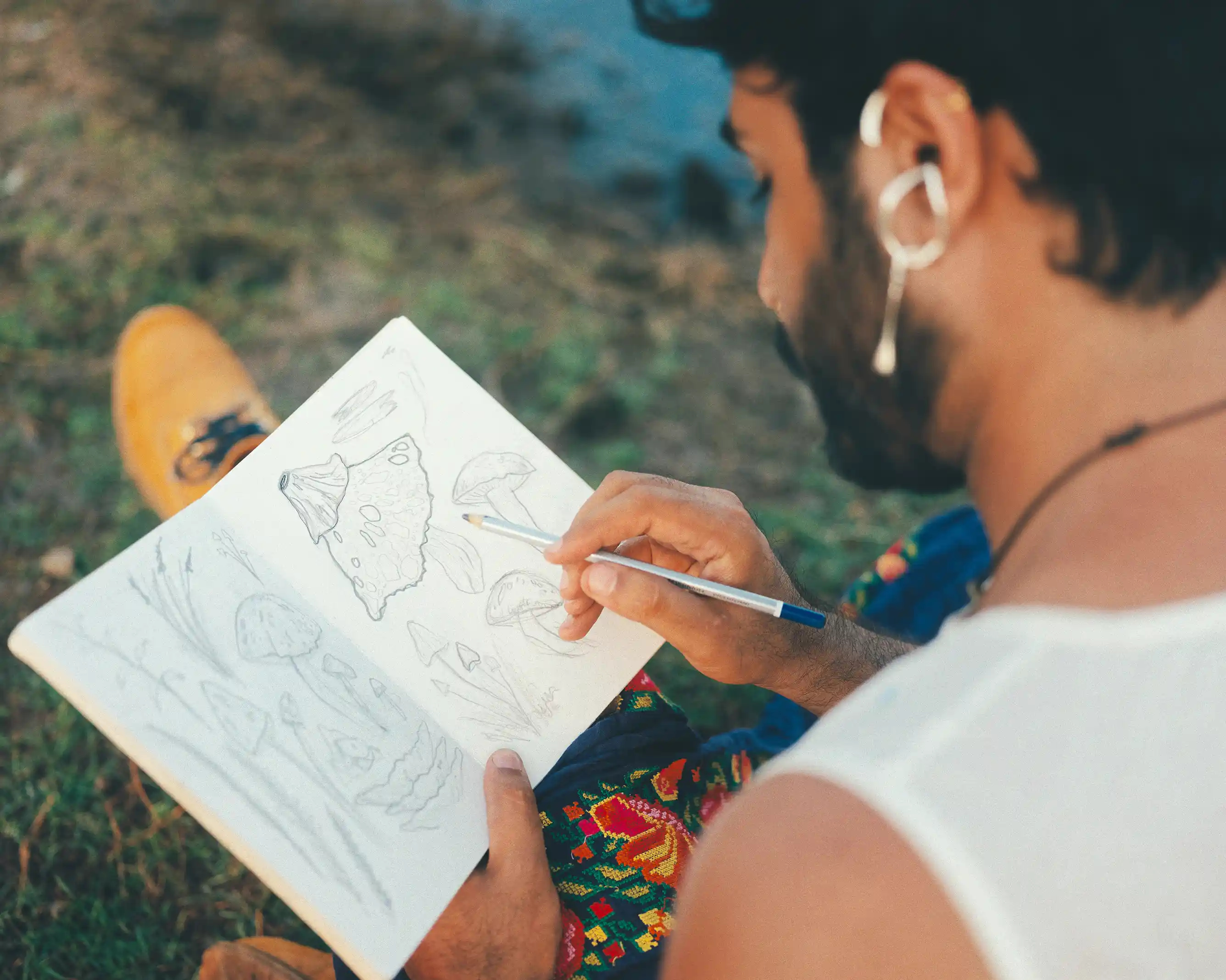
Excerpts from the conversation…
What is the overriding process or intent that binds your work?
I’ve always been interdisciplinary, working across mediums such as murals, illustration, design, sculpture, installation, photography, and film. Srishti inculcated in me the idea of examining why we’re doing what we’re doing. Thought is the most important ingredient in art, particularly in a time when so much can be digitised. How do you do what you do? Who are your collaborators? How can you not be extractive in your storytelling process? In other words, with the constant information on our fingertips, it becomes important to ensure that one's ideas are actually one's own, that you have not colonised a thought process that has emerged from a marginalised community.
Through this process, I realised that when you submerge yourself in communities, the art that you create is one part of the output. But really, the way you spend your day is the true art form.
Why did you choose to move to Goa?
It was a eureka moment. I had constructed this narrative that somewhere far away, things are okay — but, in reality, no place is safe from degradation anymore. So, after I moved to Goa, I started travelling to areas where different communities lived. I studied the ocean with ANET (Andaman Nicobar Environmental Network), a multidisciplinary research hub, environmental conservation and education centre in the Andaman Islands. I went to Ladakh, where I learnt about desert ecosystems. These two ecosystems inspired me because of their unique landscapes - cold deserts and underwater scapes teeming with life.
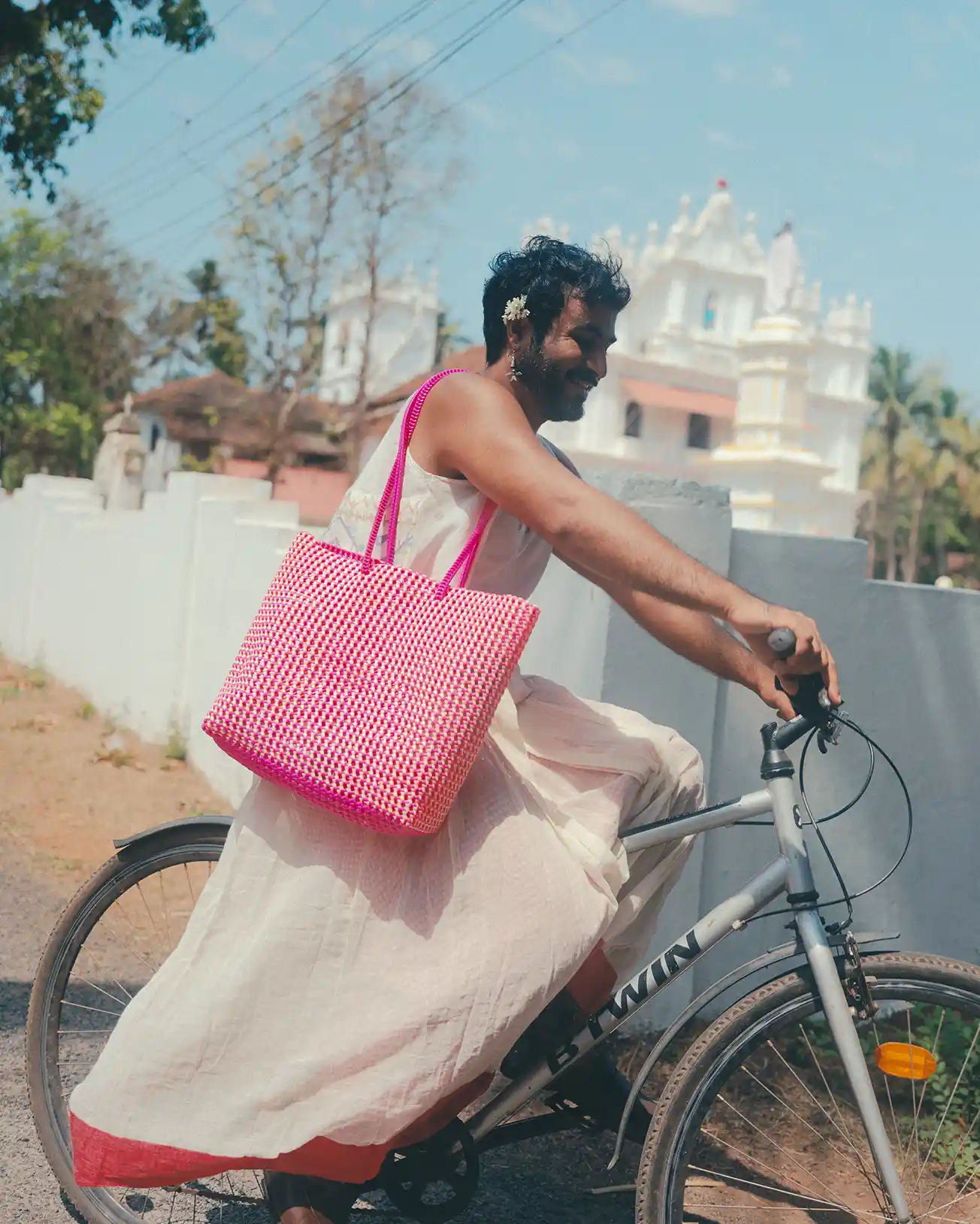
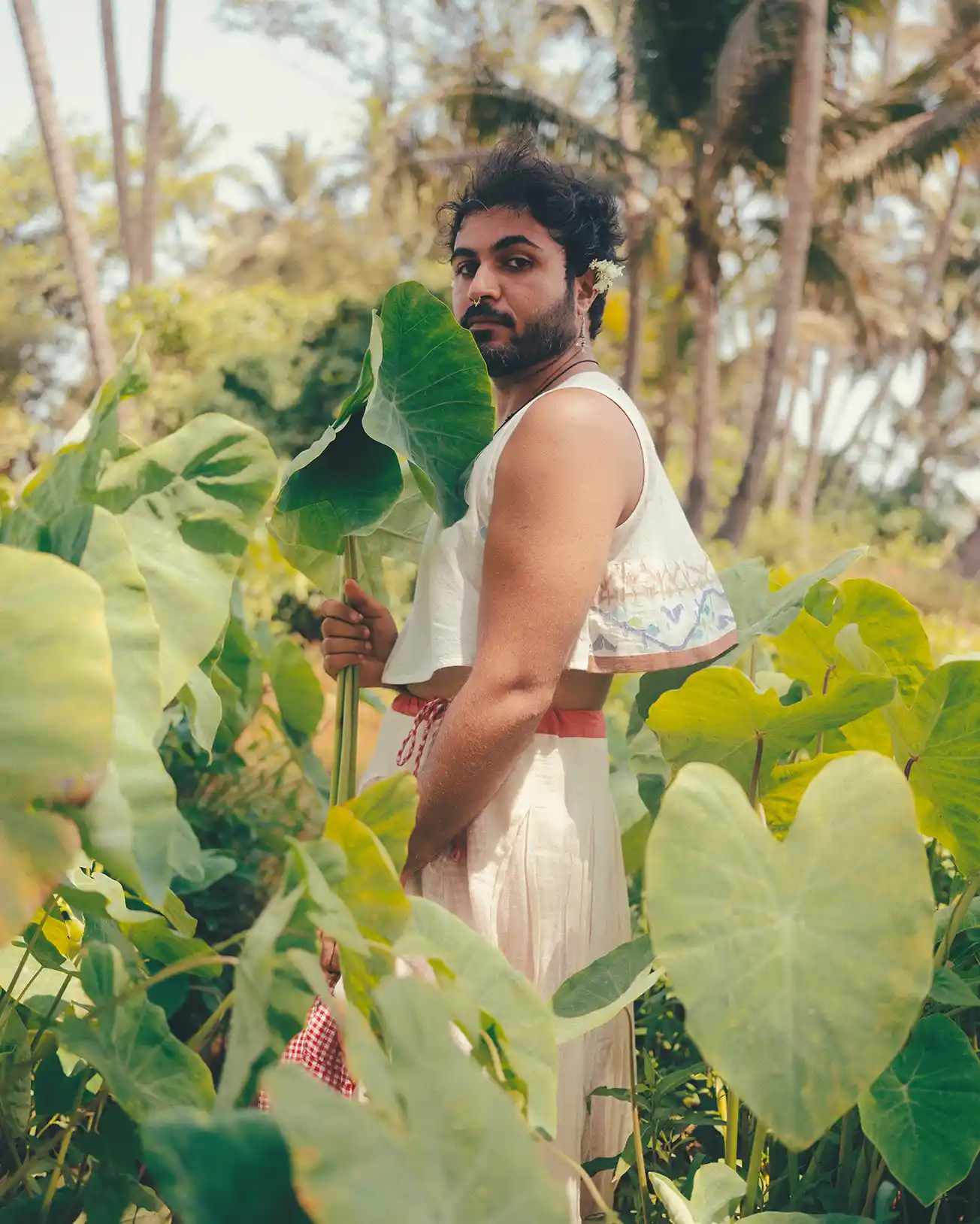
That you’re inspired by these ecosystems is evident in the details of the natural forms that make up your art.
Yes. While travelling, I arrived in Goa, and I felt accepted here. I was into digital illustration at that point and struggling deeply with my sexual identity; the digital world allowed me to be in a cocoon because I could escape the physical reality around me. The smallness of it captivated me and helped me go deeper. I started studying the village I belong to, working with the local panchayat. And then we launched the Amche Mollem (Our Mollem) movement in 2020.
The Supreme Court halted the development of infrastructure projects in the forests of Bhagwan Mahavir Wildlife Sanctuary and Mollem National Park in a big win for the Amche Mollem campaign…
When the Amche Mollem movement first started, the ruling against the infrastructure for mining was a breakthrough moment. It was led by four of us — two scientists and two artists — during COVID-19. It took my work into all the areas I’ve always been interested in — science, policy engagement, urban development, community work and forest protection. It wasn’t just about saving the forests, it was connected with community and people and this is why we called it Amche Mollem, which means “our Mollem”. I feel strongly about it because I study habitats as memory – how do places live within our bodies? Why is nostalgia growing? Did we lose something in globalisation? It’s how this country is choosing to develop. It’s a choice we’re making. It’s breaking communities and degrading ecosystems, and it’s leaving people out. That is where my work develops from — to try to integrate the feeling of ‘home’into our fragmented lives and to enlarge one's perspective of what constitutes ‘home’.
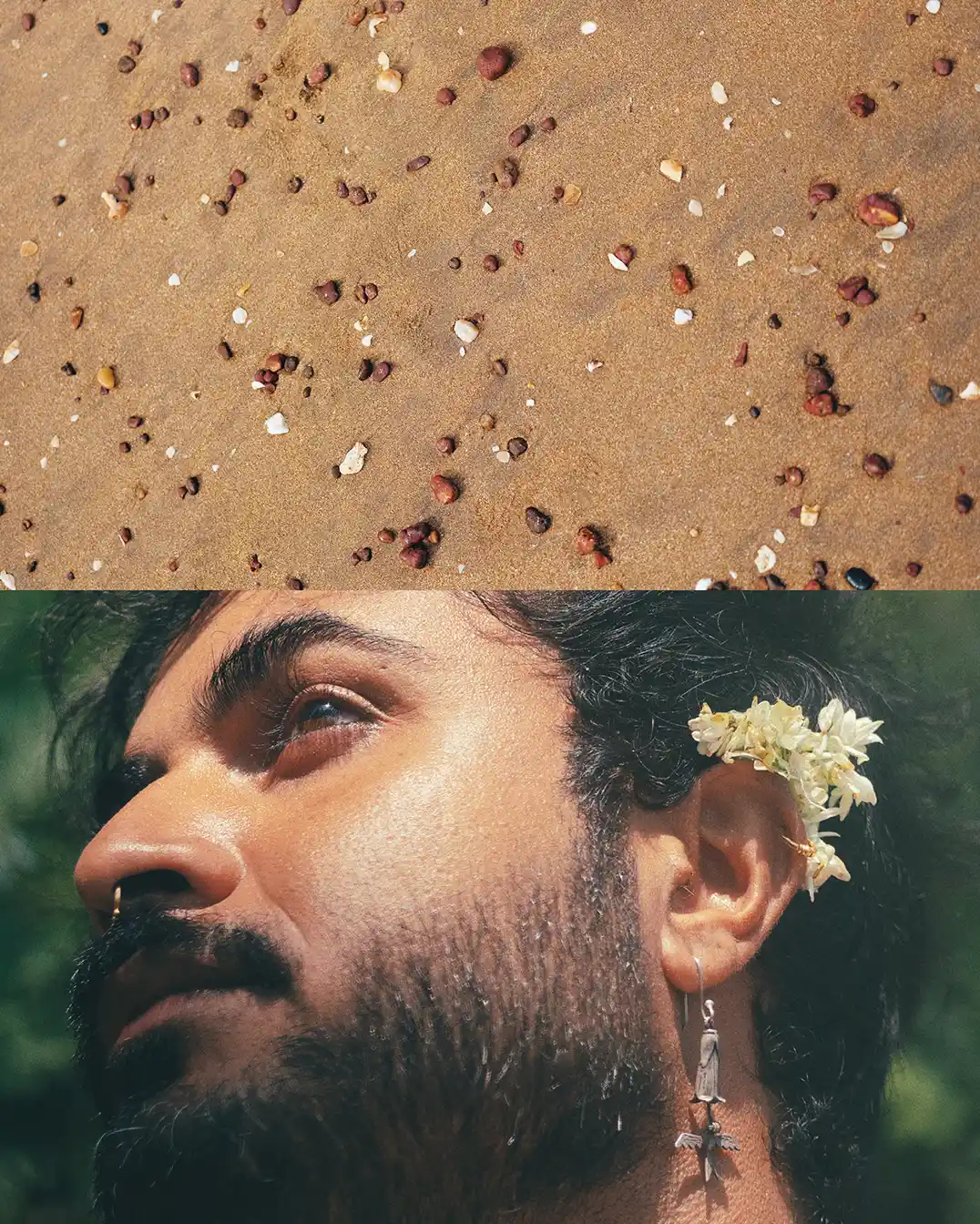
How does this come across in your art?
I think art is an invisible language in which ideas are subconsciously coded…and it gets read by the audience. When you start looking at your life as a piece of art, you’ll see that you’re already being impacted by the lives of others. An artist is a sponge, right? You’re absorbing the world, what is around you. It is impossible not to be affected when you see the impact of these systems.
Research keeps stating that the choices being made are catastrophic. I’ve been studying the urban design of the most populated cities in India, and it is so sad to see how people are being made to live. Why are they not protesting? This idea of citizenship is deeply important, and I feel art is something that can activate that.
Your art is very dependent on the ecosystem and community around you, and yet it is so magical, it doesn’t seem to be based in reality at all.
Coming back to my childhood, of seeing turbulent times, going through a lot of discomfort and pain, the one thing that saved me was the creation of beauty, of joy, of building worlds of hope from the bare minimum. As an artist herself, my mother deeply encouraged expression of all kinds at home. It allowed me to wake up the next day and know it’s going to be okay; I’m going to do something in this world, you know? People are facing paralysis now — this idea that we’re too small and can’t do anything to make a difference. Through my work, I want to awaken the sense of seeking wonder and magic. I think that there’s a level of empowerment that comes when you reconnect with something you might have lost.
It can mean going back home and placing a water bowl outside for birds and building a relationship with them. Till not too long ago, people and nature walked the same path. In India, where there were villages, there were tigers. They coexisted, there was a balance, there was a sense of respect. How can we go back to those ecosystems today? I often wonder, what if our rivers were not sacred? Would we have abused them this much? We’ve lost connection with why these stories were made: to create limits. This is a sacred forest; I won't abuse it. When you don’t have any relationship with the sacred, there are no limits.
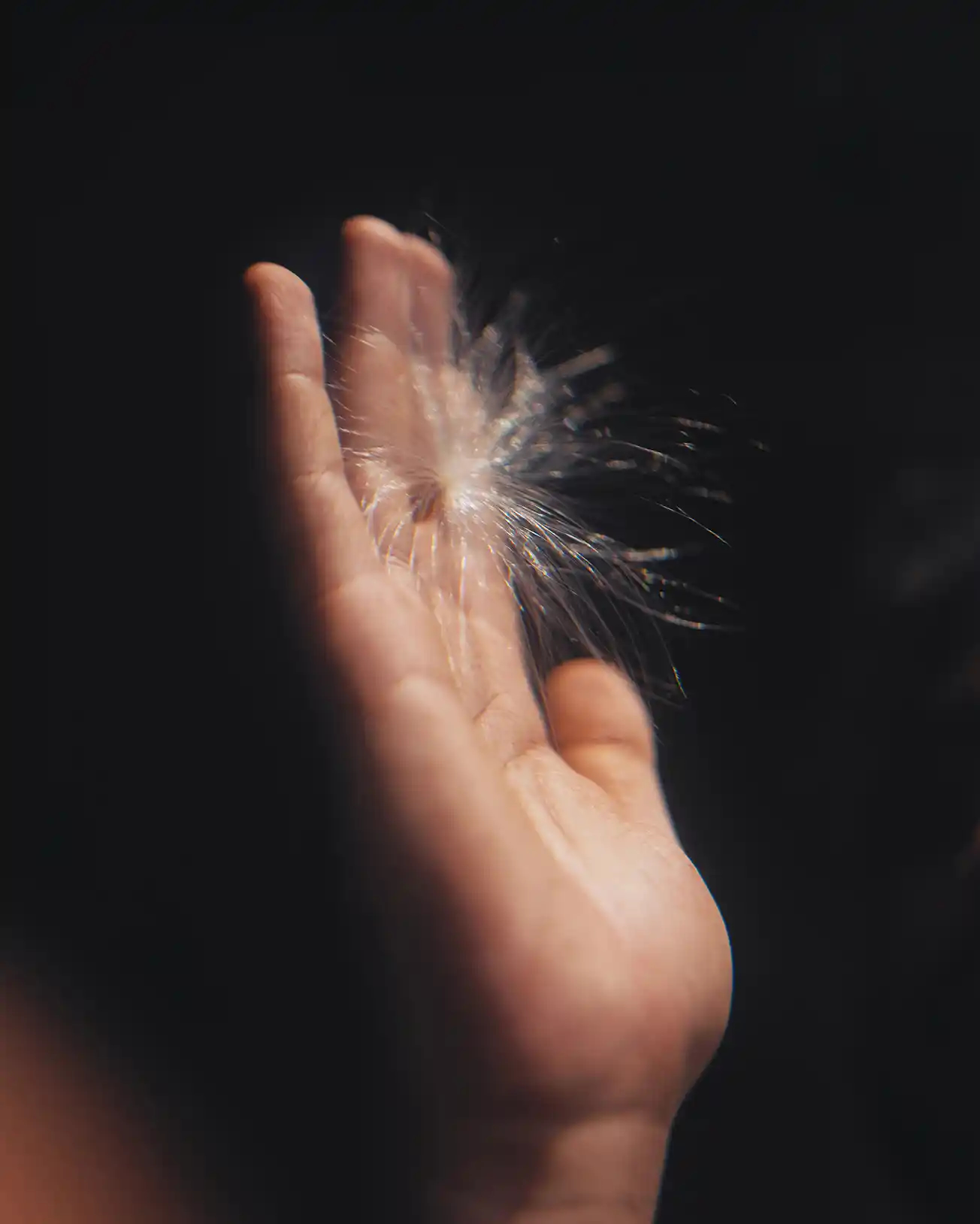
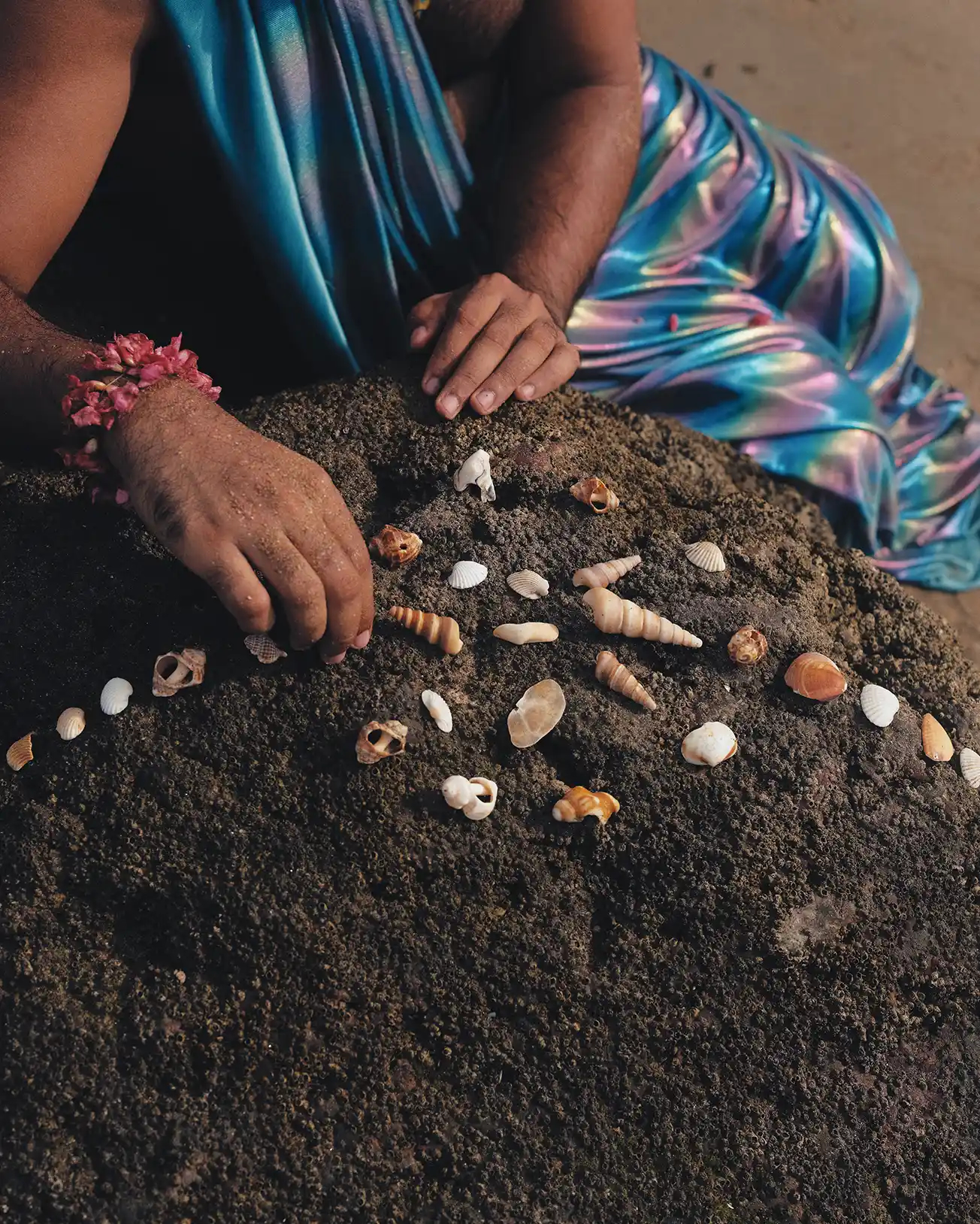
Is it a purposeful decision to showcase the beauty of an ecosystem, to evoke a feeling of sacredness?
I feel that if we cannot create wonder and love for the world again, we’re not going to build a relationship with it. You know how you get that moment of awe on seeing something when you’re out on a trail? That is what I want to recreate. For example, I recently created an immersive installation in partnership with Godrej Design Labs. It was focused on the Western Ghat ecosystems and the botanical plants that are only found in the plateaus and grasslands of the Western Ghats. We created these gorgeous moths, which are labelled creepy-crawlies these days! Children are afraid of spiders and frogs nowadays. There is this deep fear and othering that’s happened. But why? Who is responsible for building the perceptions of this generation? It’s us, the artists, right? We’re contributing to the culture. It’s part of our job as artists to show people a way of looking at the world. Our work has to spark a thought. And we all have to do this on a micro level for the collective work to happen.
The good news is that many take that role seriously. I’m currently working on a project called The Atlas of Living Hope with Greenhub (a youth-based conservation fellowship that focuses on the visual medium) and Canopy Collective (a Tezpur-based collective dedicated to nature conservation through art and science).
They’ve been transcribing stories (through art and video) of the inhabitants of the last swathes of wilderness across India, as well as the stories of those who live within the wilderness and their knowledge of it. I’ve been looking at the people who’ve been working with these habitats; where do they derive their hope from? It’s deeply motivating; they still have hope; there are still people on the ground, doing the work to save these forests.
There is a concept of time in terms of the depth of relationship or the patience it takes to understand an ecosystem.
Interesting that you bring it up because I’m a very long-form, slow-brew kind of person; some of my projects have taken up to six years. Quick results don’t have nuance. I saw my mother work on her practice for a long period before becoming an artist professionally. She painted every day; her practice never stopped. I think it liberated me as a child to know that there’s no quick fix. Working with the land, you see how long it takes for trees to grow. It’s very tangible. That’s why when I first came to live in Goa, I didn’t immediately start working. I focused on building relationships. Like I said, become a sponge…
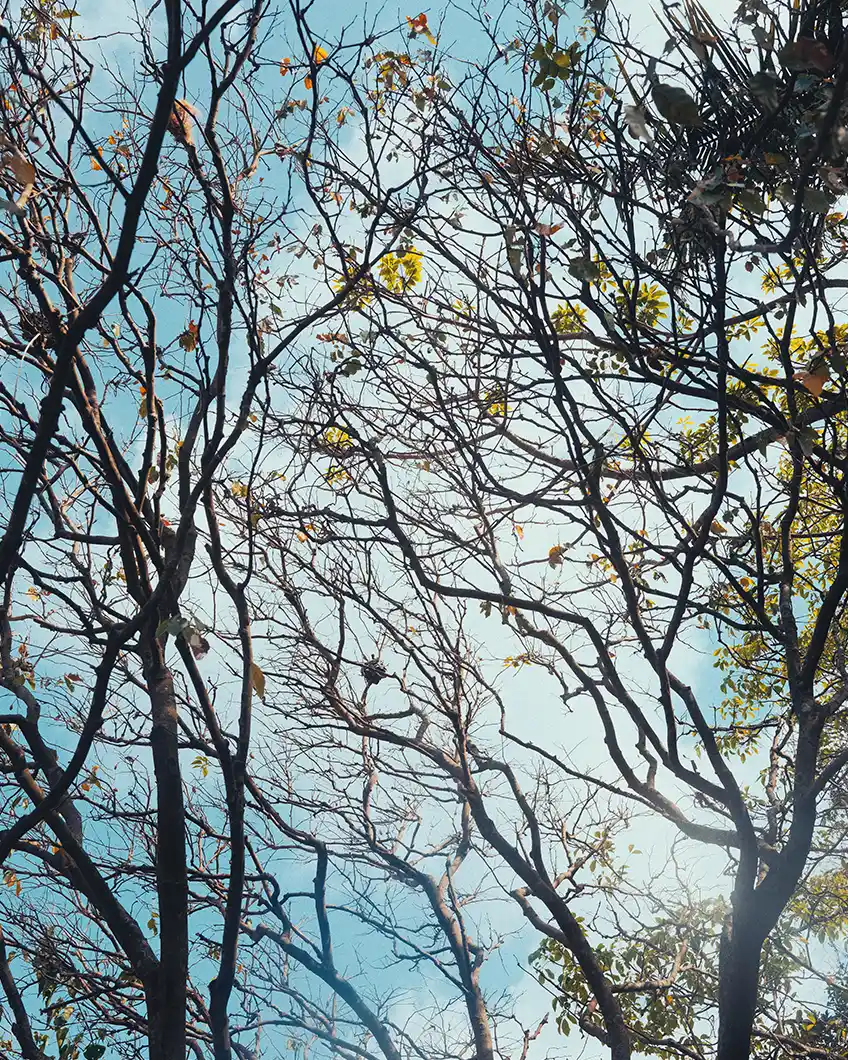
Is there a way that you’re able to slow your audience down when it comes to viewing your art?
I think that happens within the structure of my work. It’s something that I’ve often experienced because if you look at my illustrations, they’re very dense worlds. The details force you to spend time with the piece. Similarly, to understand a piece of land, you would have to witness it in every season — that takes a whole year! I’m trying to inculcate that in my process with the land.
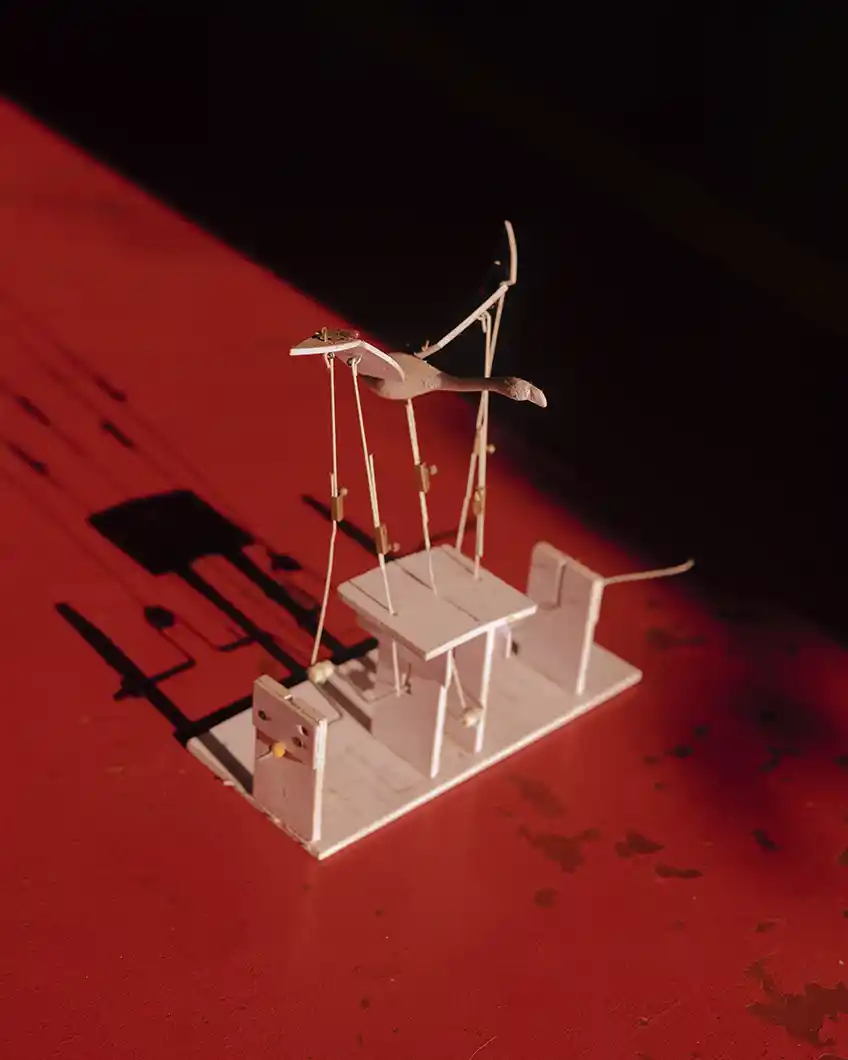
I was very happy to put up my work at Chhatrapati Shivaji Maharaj Vastu Sangrahalaya recently because they understand this concept of time — it will be on show for a full year. I created three sculptural dioramas of the marine ecosystem of Mumbai, including dolphins, flamingos and stingrays. I still have people, who have been going again and again to see the works, writing to me.
It’s also why I started creating large-scale murals in public spaces – you can keep coming back to them. And while painting, I get to know the community. We dance, we create music, we paint together; there’s a feeling of belonging. Utopia is there for you to build. The world doesn’t need more loneliness and sorrow. I love these deep, intimate conversations and what I realise is that everyone is lost and hurt and looking for an escape. I hope these portals can be an escape.
How do you escape?
By working with people on the ground, willing to give their time and lives to fighting for the conservation of the last of the wilderness in our country. That’s where I get my hope from. Surrounding yourself with people who are working towards a common cause gives you hope and a diversion from the constant negative narrative of the world. When you start picking up knowledge from what’s around you versus what you read online, there’s usually a drastic shift. The person on the other side of your phone is anonymous — as are you; you know nothing of the real world of this other person — it becomes easy to be flippant, or aggressive. A discussion around a dinner table has far more decorum than a random comment section. So it is important to create these places of softness, a holding space for someone who doesn’t think like you. ‘Maybe you’re scared of frogs, but why don’t you come and sit in the garden with me for a minute?’, you know?
Like my nana (maternal grandfather) would always say, “Guftugu jari rahe.” It means, “we don’t have to agree on things, but we must keep talking”. We must keep integrating all parts.
Does spirituality inform your work?
I have been deeply influenced by mystics, shamans, Sufi poets and the Bhakti movement. My mother always had writers, poets and musicians over — I’ve grown up around them. Sufi is pure love, devotion. Love that comes from a place beyond knowledge or information. And yet, it is so deeply political. And that’s what I love about the Sufi and Bhakti movements.
You need to break the armour, and it doesn’t happen overnight. It’s the human condition. The “mycelium network” will hold you. In the end, I’m going to leave this world with nothing. Be kind to the people around you. That’s it, just be mindful.
The Hope-Makers: Waylon D’Souza
The Hope-Makers: Nimmy Joshi