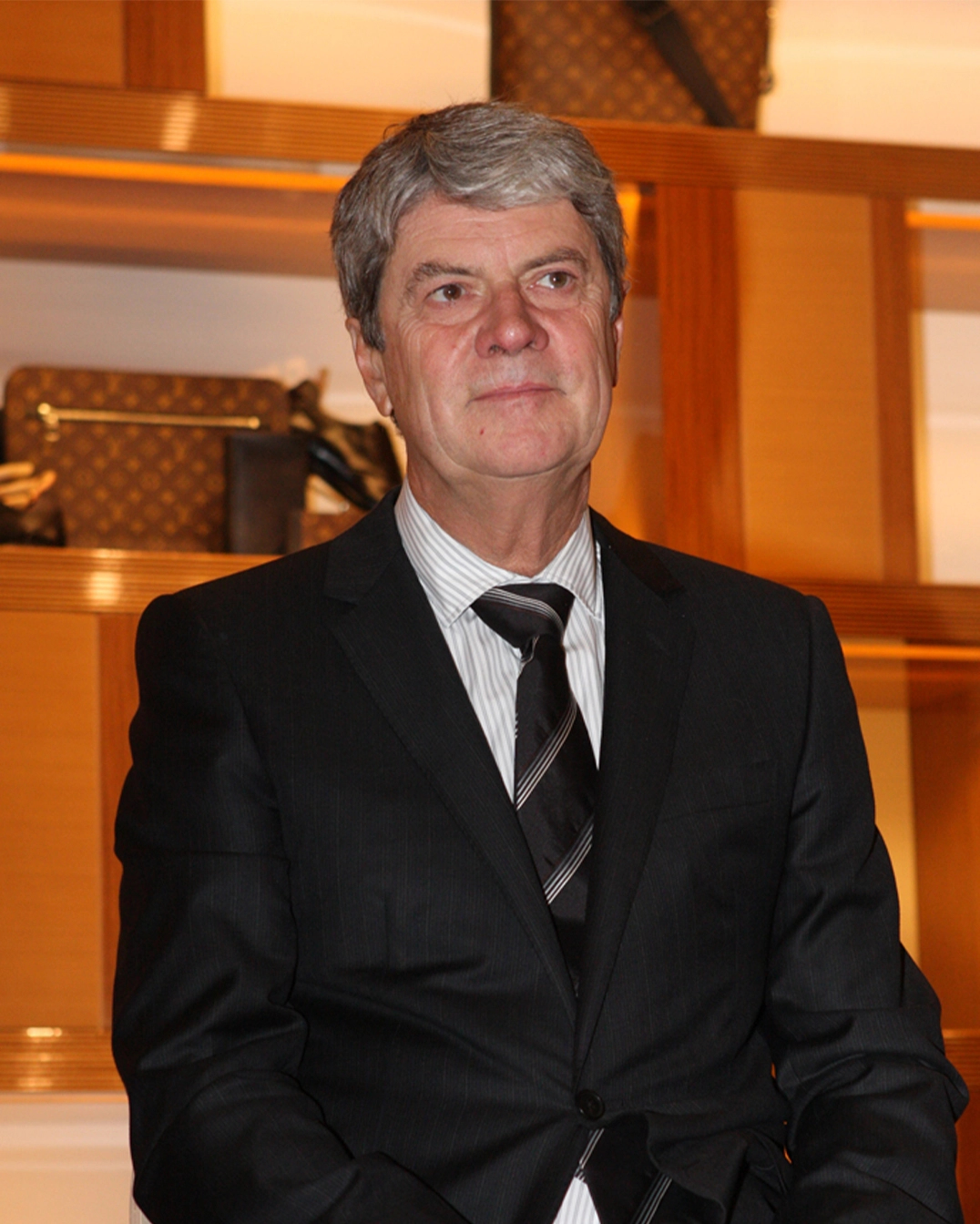
Yves Carcelle: “I firmly believe that art changes lives....”
Louis Vuitton — in the spirit of their continued collaboration with artists — lends its support to Anish Kapoor’s first-ever exhibition in India. Verve talks to the CEO of the French luxury house, on the brand’s historical art-fashion connect
The collaboration between fashion house Louis Vuitton and various artists has provided the fashion world with some iconic images and designs. Handbags with graffiti, accessories covered in jokes, images of red cherries and Manga characters have all adorned Louis Vuitton’s various collections down the years. In a continuation of that spirit and as part of the energy of renewal that the brand regularly taps into, is their support of celebrity sculptor Anish Kapoor's first ever exhibition in India.
Excerpts from the conversation with Yves Carcelle, CEO of Louis Vuitton…
When did Louis Vuitton start collaborating with artists?
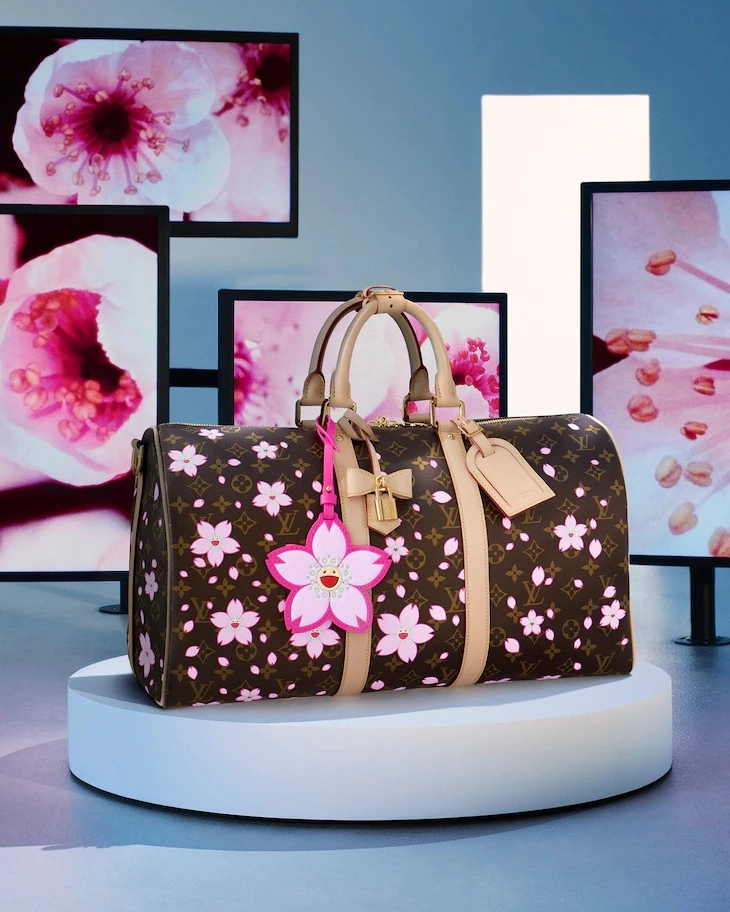
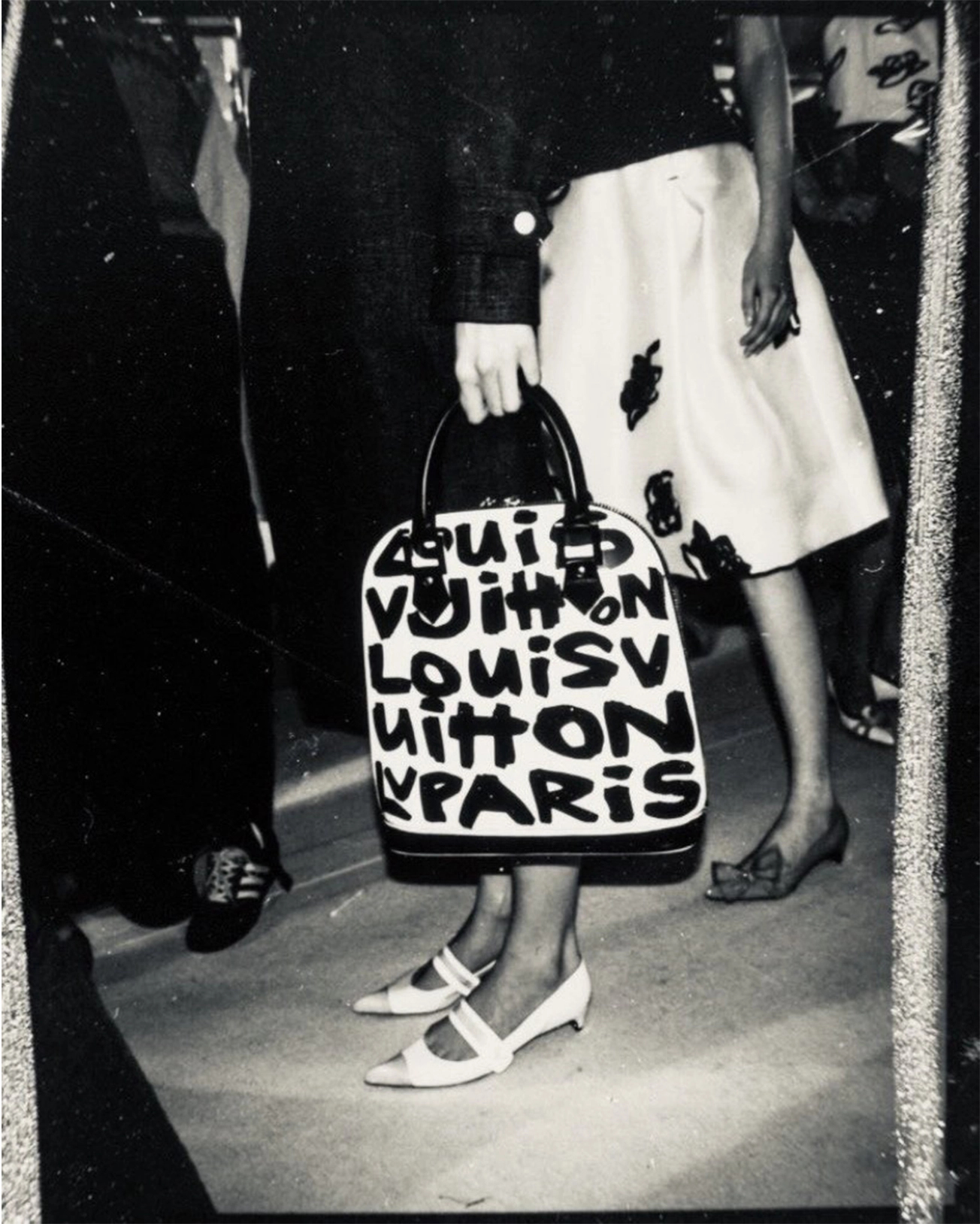
Louis Vuitton has always had a very strong vocabulary, a very strong history and probably due to that, was never afraid of collaboration and influences from the outside world. And every creative influence, whether it was the Art Deco period that influenced the creativity of Louis Vuitton or whether it was the colonial period that you see through the Universal Exhibition…this very close relationship with artists has always been part of the history of the company. That of course has been accelerated over the last 20 years due to the fact that many of us – and it has been really a common language among the Louis Vuitton team – were very excited by contemporary art. Bernard Arnault the Chairman and main shareholder himself, (designer) Marc Jacobs when he joined in ’97, was really at a moment when he was starting his own collection and his own connection with art. Many of us, you know with the means that we have, have been starting to collect…I have been collecting for a long period of time. I have an Anish…I bought Anish many years ago. I also live with a very big Ganesha that comes from Cambodia, 14th century; it is really in a part of the most important area of the house. But more seriously, this has been accelerated over the last 15 years and taken several dimensions that go from the collaboration with artists to create new products. And it was of course Marc’s decision to go with Stephen Sprouse, with Takashi Murakami, Richard Prince….
Why artists?
Always with a reason; it was not just, let’s take an artist who will be trendy. In the case of Sprouse, Marc came to see me and said it has always been a part of our tradition to paint the initials of the client on the trunk, so painting on the monogram was really part of the tradition of Louis Vuitton. ‘I would like to celebrate this tradition, but modernise it by using graffiti’, and that’s how he came up with the idea which was an enormous success. Or in 2002, we were just after September 11, the world of fashion was really influenced by the gloomy and mournful atmosphere and he said, ‘I want in the next show to bring again liveliness, colour; I think it is our job in fashion to contribute also to change the world’. He said don’t be surprised that my show will be very colourful and I think that the message will be even stronger if I collaborate with an artist. Do you think I should call Takashi (Murakami)? We all thought it was a great idea and the same night we sent an email. It became not only a collaboration between Marc, Takashi and Louis Vuitton but a great friendship. And probably the most interactive process that there has ever been between an artist and a luxury house. Last year, we were in Bangalore visiting the house of a good friend of Tikka (Singh), who has become a friend of ours. He was showing us his collections and discussing that Takashi has never made rugs. So it is India that influenced the fact that we talked to Takashi about doing rugs that were exhibited in the Guggenheim Museum.
What about younger artists?
We have started several cultural places – one on the Champs Elysee, one in Hong Kong, in Taipei, several projects where we are ready to exhibit very known or very unknown artists and give them a chance to be seen by a much wider public than in a gallery because we bring the crowd of Vuitton to young artists. We are also working on a future Louis Vuitton foundation.
What do the artists bring to the brand?
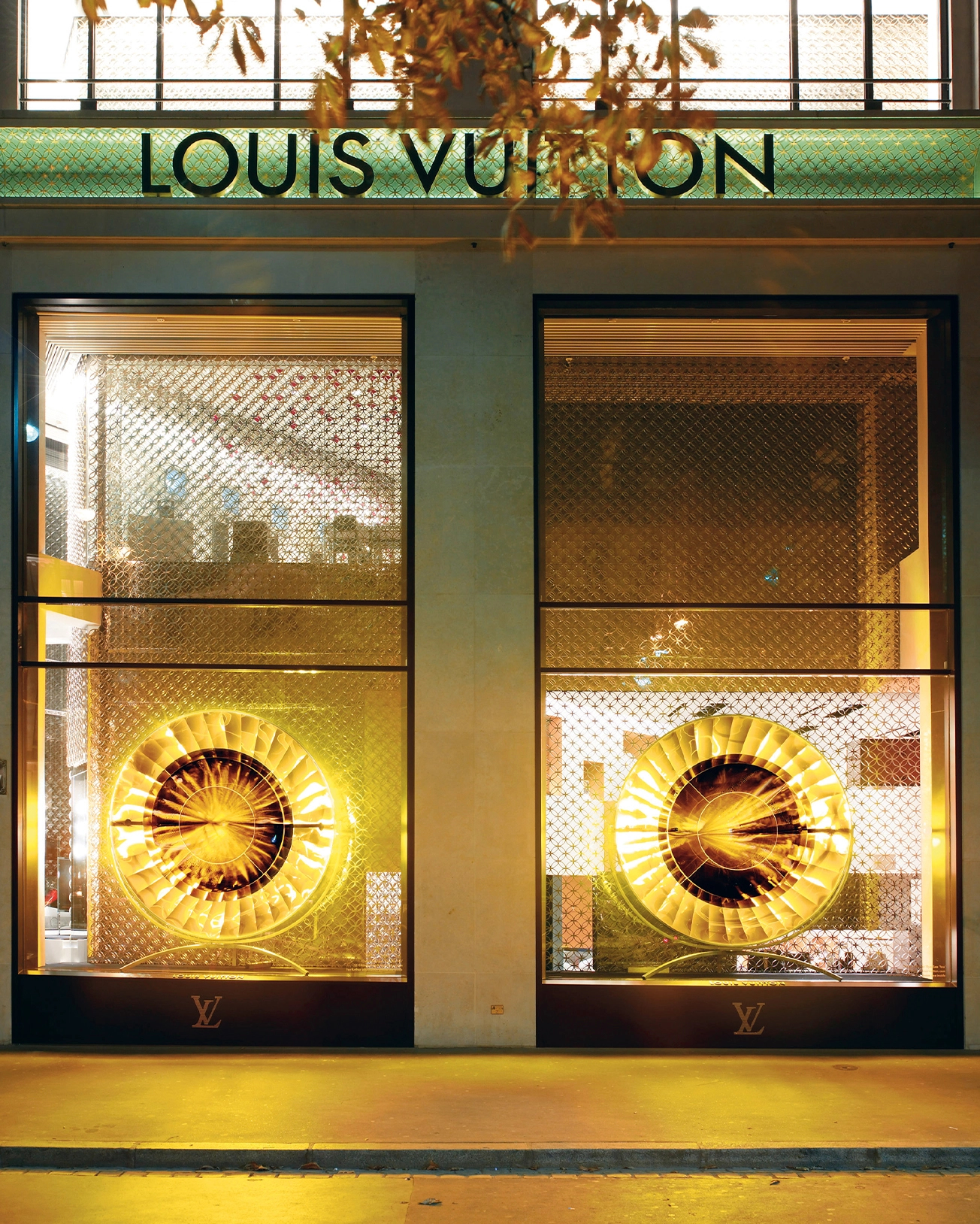
They bring a fresh, new eye. I think in our world of luxury, the key to success is to respect your eternal values – the quality, the craftsmanship, who you are, your history. We exist and we continue to exist because we bring creativity. But artists bring us their freshness, sometimes their very strong point of view, which may be surprising to us and can be even complicated to swallow. I remember when we commissioned Danish artist Olafur Eliasson to do the shop windows, he came up with the idea for a piece of art that he called Eye See You. We used a light and a very specific glass that represented a big eye in every window looking at the passersby. The eye was looking at you, you were looking at the eye. You saw yourself in the eye with the city behind. That was a Christmas window. We had a fake window in the office where we set it up first. We asked him, ‘How do you see the products? In a box?’ And he said ‘You must be joking. I am not going to put products with my piece of art’. We had to convince all our store managers, no products in the window for Christmas. And we never had traffic like that ever before because people were so surprised. So when you ask me what art brings, it brings points of view, it brings out-of-the-box creativity and ideas, it surprises and at the end of the day, I firmly believe that art changes life.
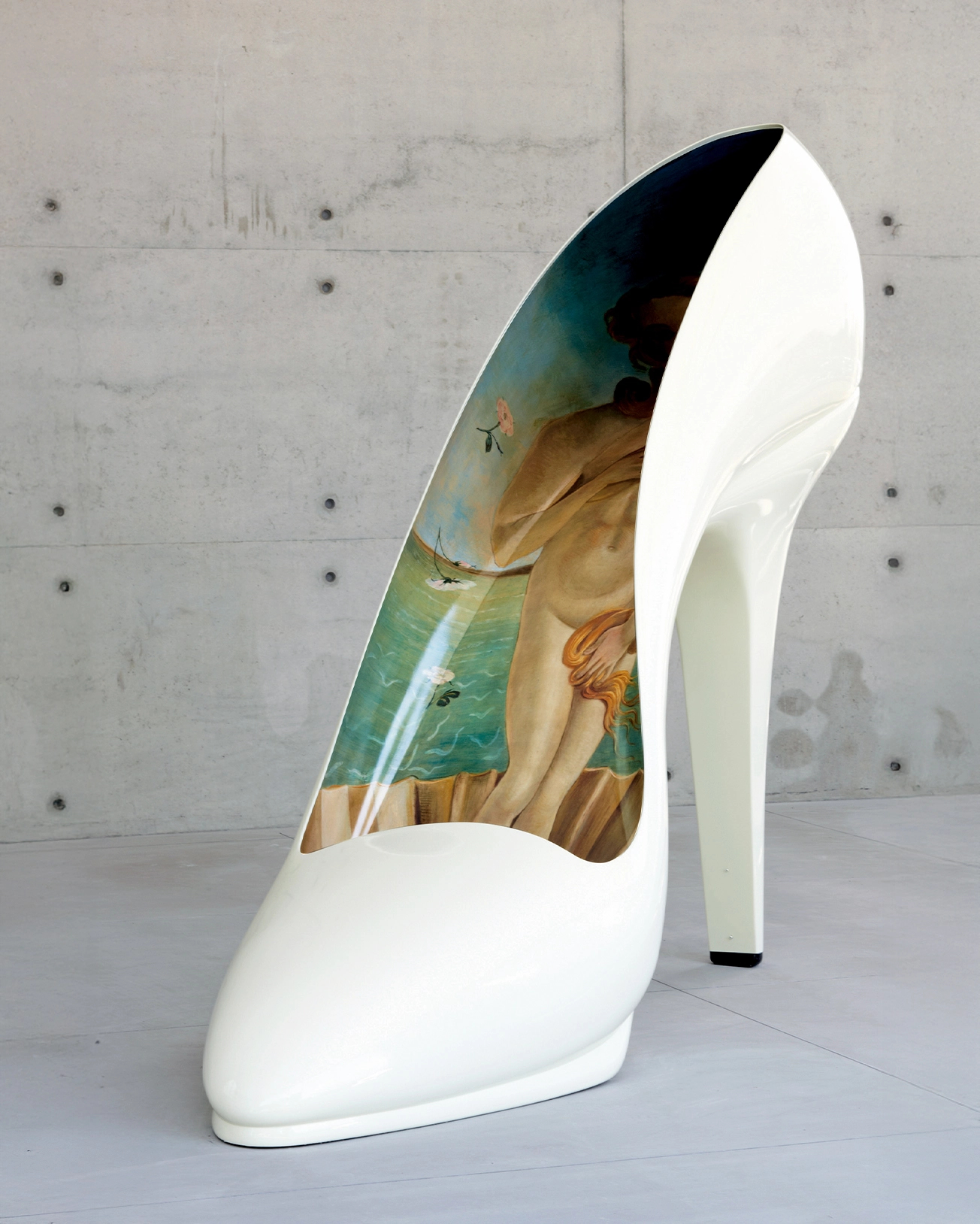
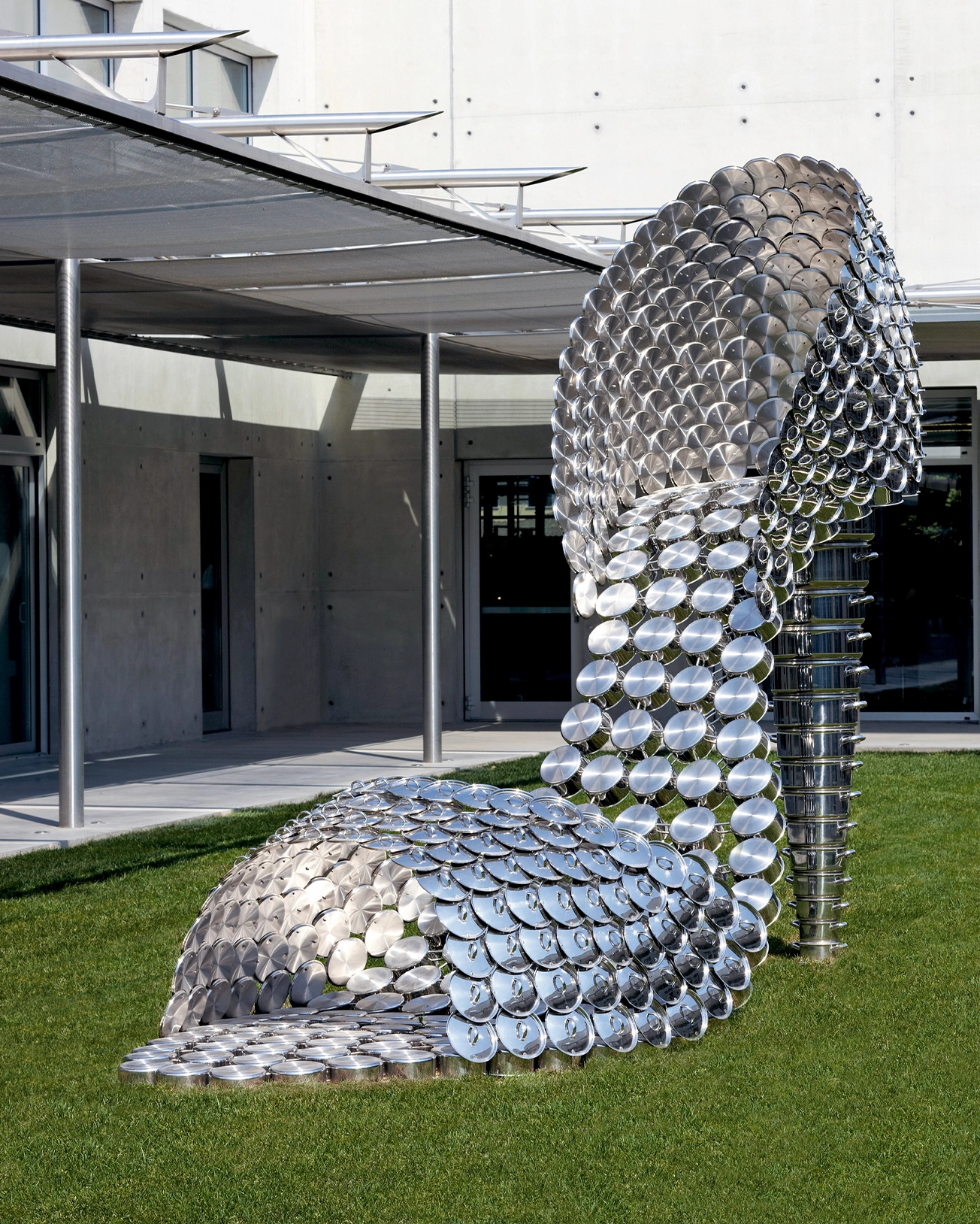
Tell us about the art collection at the Louis Vuitton shoe factory.
We have built our shoe factory in Italy – 12,000 square metres of a modern factory with concrete walls. There we have a collection of contemporary art completely dedicated to shoes. We built an art gallery inside the factory. We have nearly 300 people working there and the craftsmen are working in the middle of an art exhibition. They are so proud and we are so proud of them. When each time we exhibit a new piece, they all go and see it. It shows that interaction between art and humanity is not necessarily commercial. It almost brings spirituality to another level. It puts people in another mood when they are facing beauty. If you put people in front of beauty of a very creative process, that changes the perception of life and their own perception of themselves.
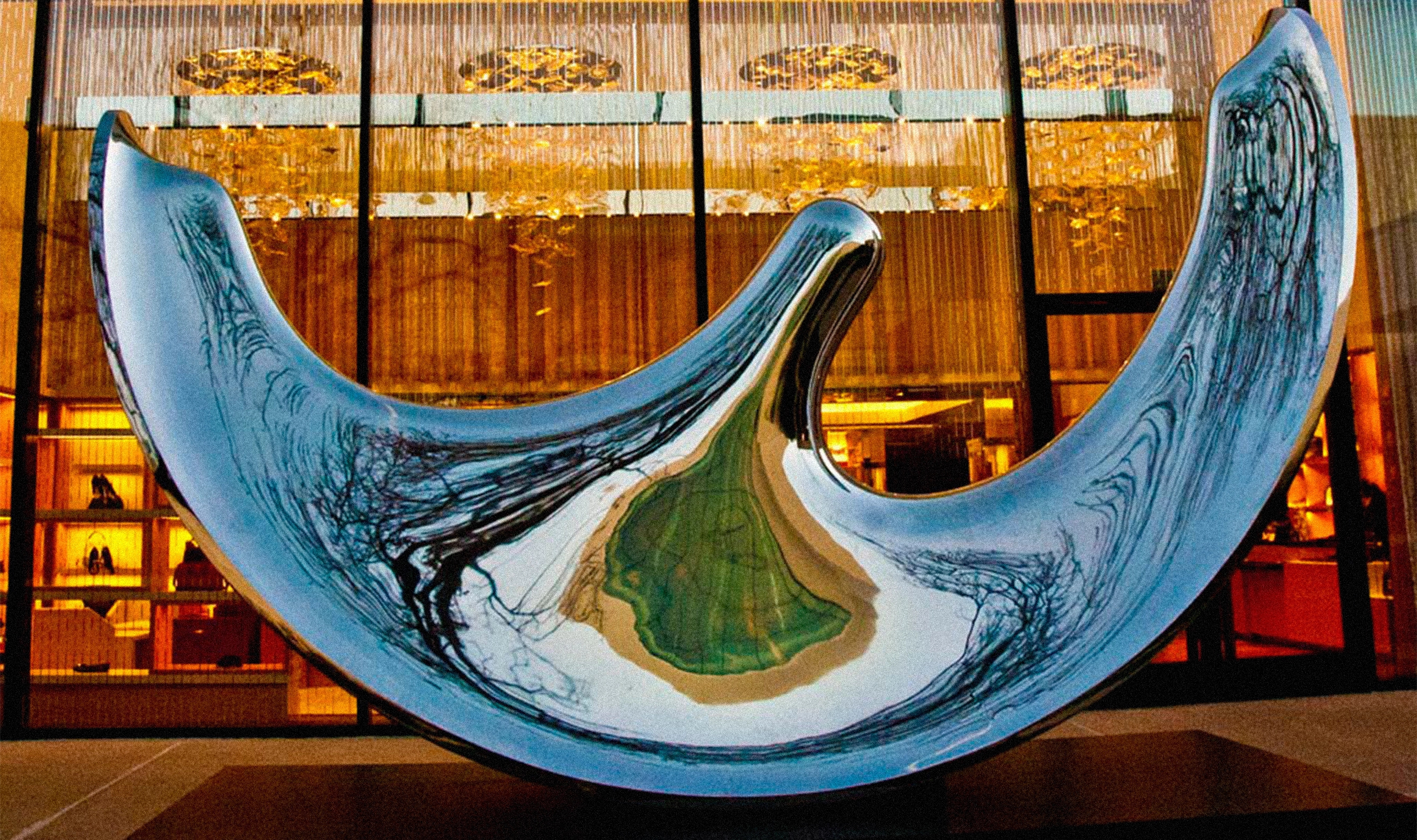
How did you get involved in the Anish Kapoor exhibition?
We have an Anish Kapoor in front of our store in Dallas, which is in a mall that is owned by people who are mad about contemporary art and as part of the contemporary art surroundings. Of course when artists who have been working with us need our help to do something interesting, we try to do it. So when Anish said, I have never done an exhibition in India, would you like to help, we said yes. We have known his gallery in London for many years. We had bought a big piece for Louis Vuitton. You appreciate the work of the artist much more when you know the artist.
Your relationship with a piece of art is not about, it’s a famous artist. If the piece has to influence you, the artist has to interact with you. It is not easy to raise money for art in India. I am very proud that it is us.
Click here to read about Anish Kapoor’s first exhibition in India.