Anand Puri’s Brave New Worlds: The Ethos
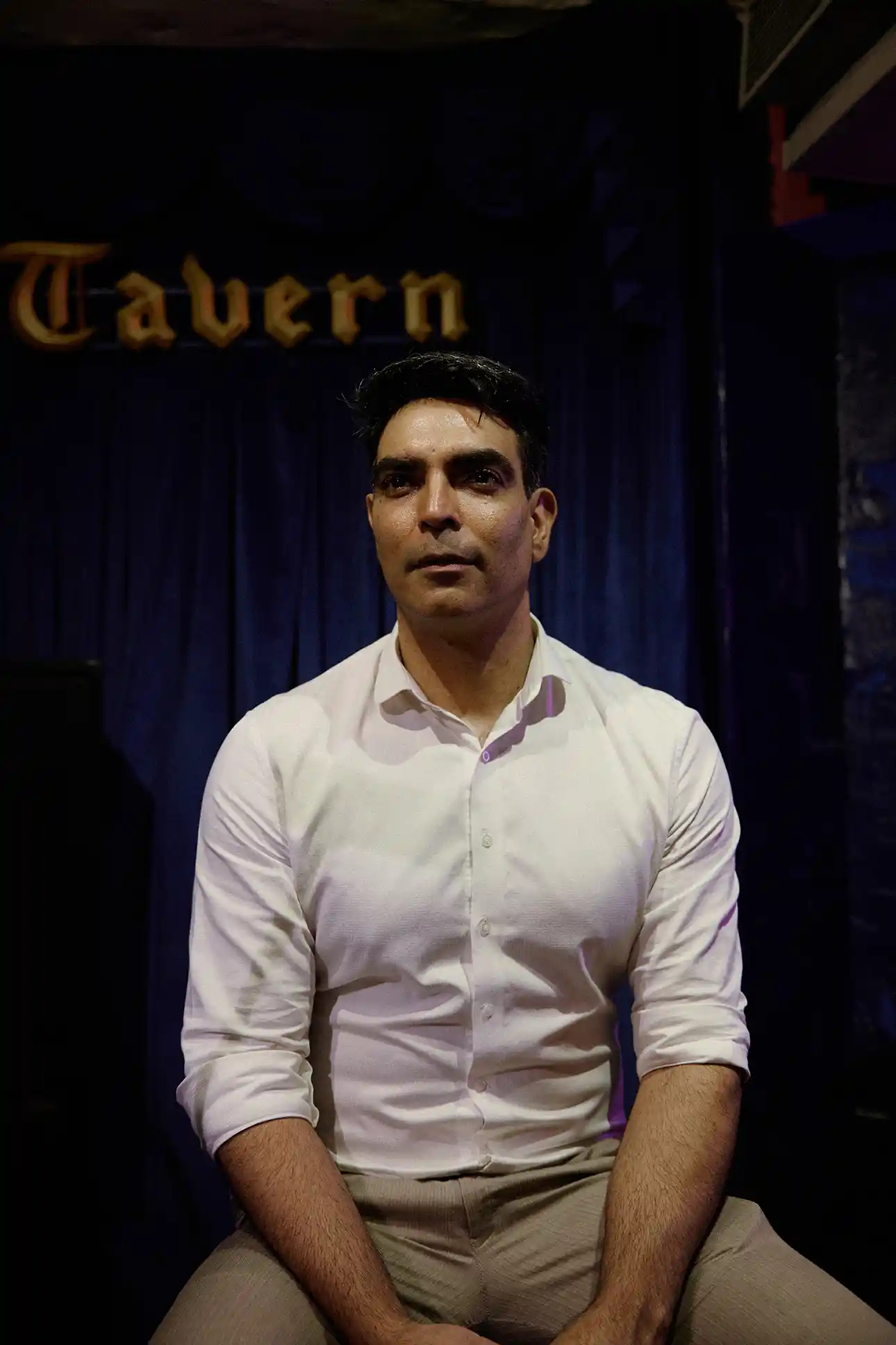
Third-generation restaurateur Anand Puri has pulled off a fine balancing act. On the one hand, he has revived the nearly 100-year-old Kolkata institution Trincas; on the other, he is breaking new ground with the lesser-known establishment Tavern-Behind-Trincas — that is currently championing live regional music
Did you return to Kolkata to join the family business?
I moved back some four times in my life, constantly trying to find my footing. And then, sometimes, you realise that you don’t have any free will; things will happen when they’re meant to happen. When I came back to Kolkata in May 2019, it was with the intention to take a break from Delhi. It had nothing to do with joining the family business. I wanted to take it easy and think of the next step. This is where the family is based and I’ve got friends here. I didn’t necessarily want to go into the same office as Dad [Deepak Puri].
It struck me that Trincas wasn’t getting enough attention — none of my friends had been there in the last couple of years. We had so much potential. I thought I’d figure out what Trincas is about and a marketing project seemed like a good starting point. And that led me down a rabbit hole.
How did you move forward?
It was our 60th year as a family running the restaurant. Usha Uthup had started performing here 50 years ago and Dad was keen to have her do a show which would be open to everyone. I, on the other hand, wanted the performance to showcase the history.
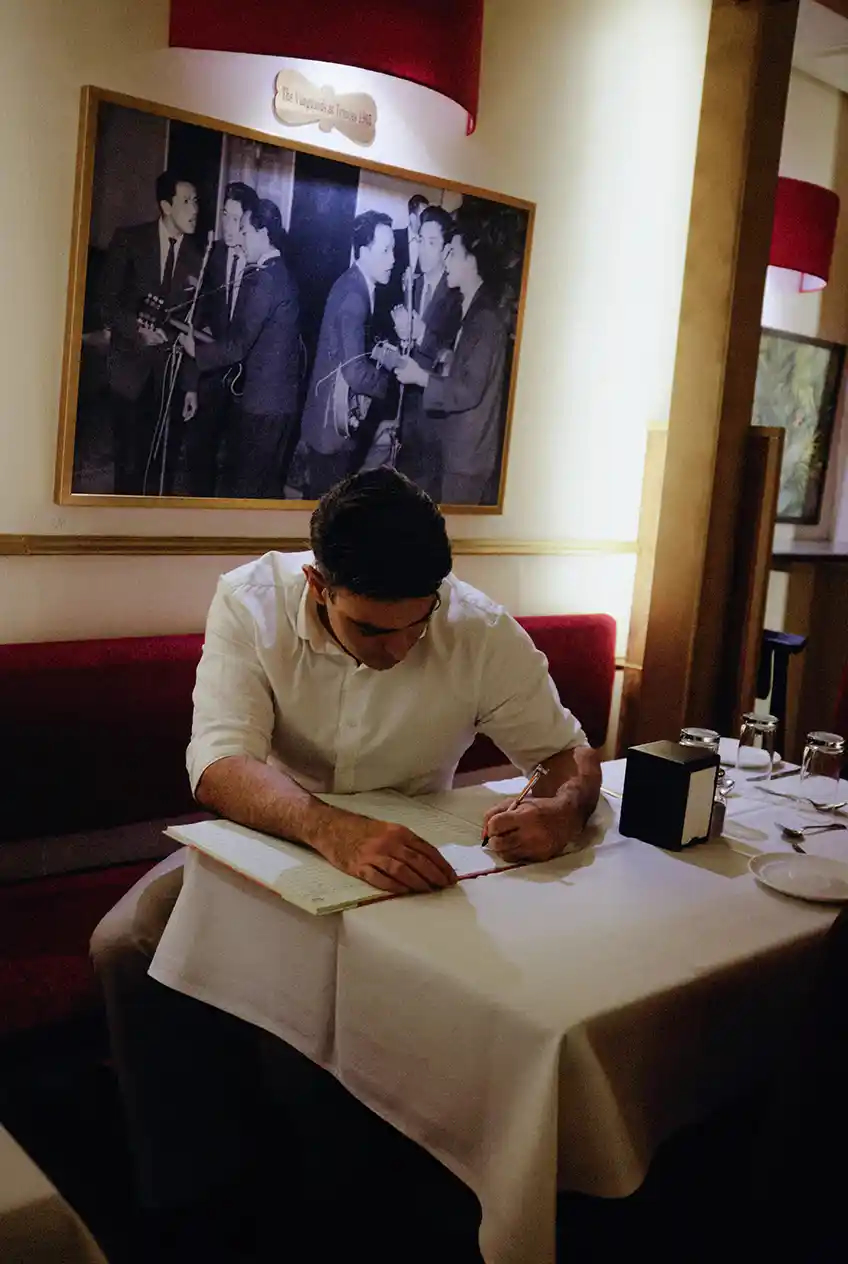
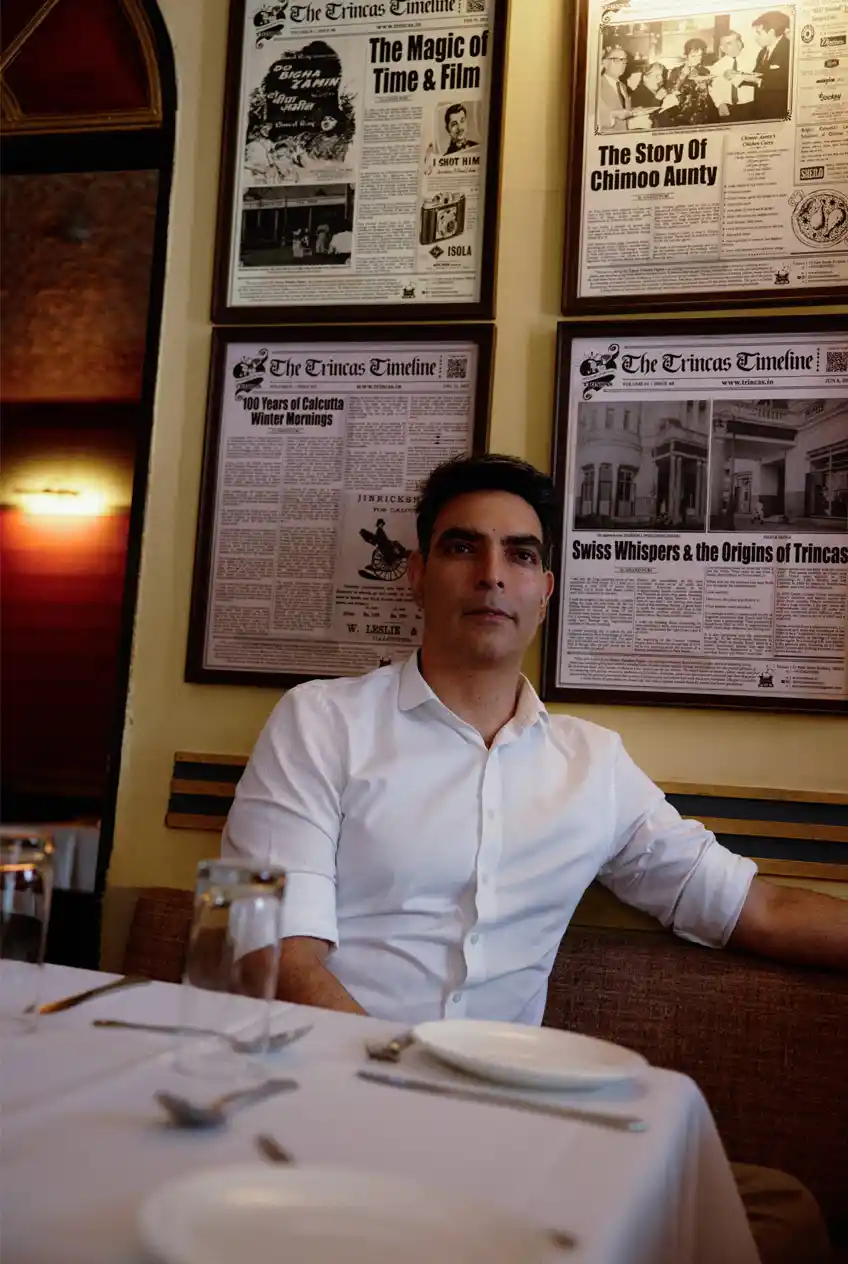
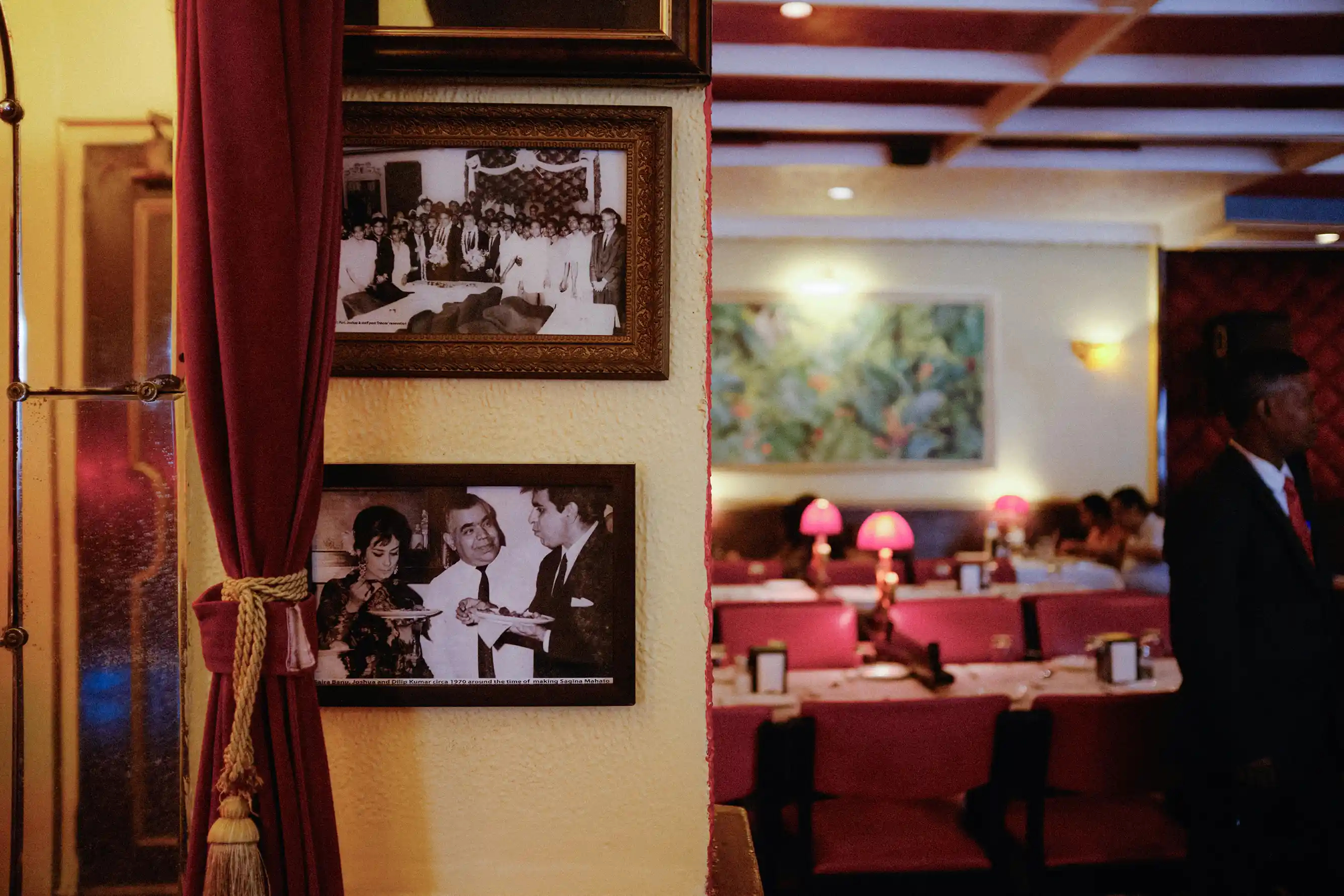
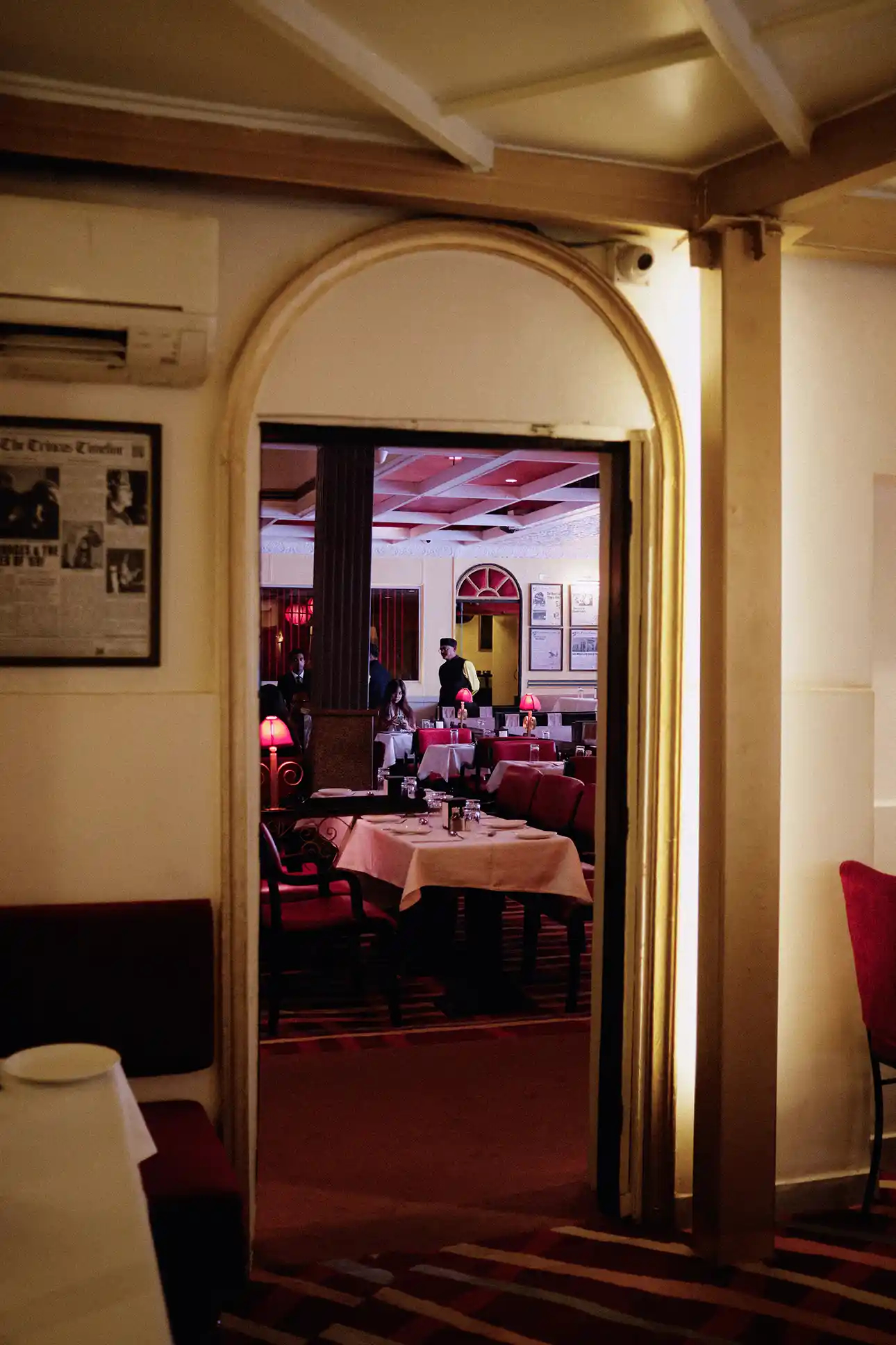
He wanted to do it at dinner time so I started looking into the process of how the food came out of the kitchen; I wanted to ensure that the food reached the tables as fast as possible, and in the right order. I had our maître d’greet customers out front rather than have them walk in and then look for someone to seat them. And then I got into the aesthetics. I asked if we could change the backdrop of the stage — I referenced a few faded photos from back in the day which depicted a red background and suggested that we go with red velvet. I also chanced upon some negatives while rummaging through the back of a desk, and I got these developed; we enlarged them and framed them for our walls. I did up the front door as well as that’s the first thing people see. Soon after, I started building the website and launched the Trincas Timeline Project [a community-based memory project through which he reaches out to people to delve into the restaurant’s history] in October 2019. Till date, I’ve tracked 250 musicians who have performed here between 1962 and now.
What were the elements that you retained?
The biggest element here is our history. What I did was shine a spotlight on it. I thought, ‘Is the idea to walk inside a space that’s kept up with the times, and is shiny and new and fresh? Or do I want to step into a time capsule?’ And I realised that I wanted the good parts of both. I wanted it to have gravitas because of its history. I wanted to bring out the richness of the history not just in terms of storytelling, which is a huge part of Trincas with the black-and-white photographs on the walls, the throwback look and all that, but the richness that you feel around you. The colour scheme, which consists of a very lush dark red highlighted by lighter reds and gold, evokes this.
But you can go very wrong with harping on history; the space can turn into a museum or something that’s thick and boring. I wanted to keep it light and relevant. So, while I was putting up the old-time pictures on the walls, I was talking about them on a modern medium like Instagram. There was a new band that was playing, a buffet counter had been installed and at that point we’d re-introduced breakfast. So, there were all these elements that were old but they were offset with the new.
What were the challenges?
We had regulars coming in and spending money, but they came for the live music and drinks. When I started putting rules in place — you can’t just walk in and take whichever table you want or that we can’t hold a table for you for 45 minutes at 8 o’clock in the evening — I definitely ruffled that clientele.
Any restaurant’s success is based on its food, and my parents had been trying to push forward that aspect in the previous decades. My mother Shashi Puri brought a fair bit to the table in terms of softening up the place a little bit. In fact, she was the one who brought in Bengali music for the first time back in 2004. She had five big Bengali bands — Krosswindz, Chandrabindoo, Cactus, Lakkhichhara and Fossils — play in the main Trincas hall for a week-long food festival.
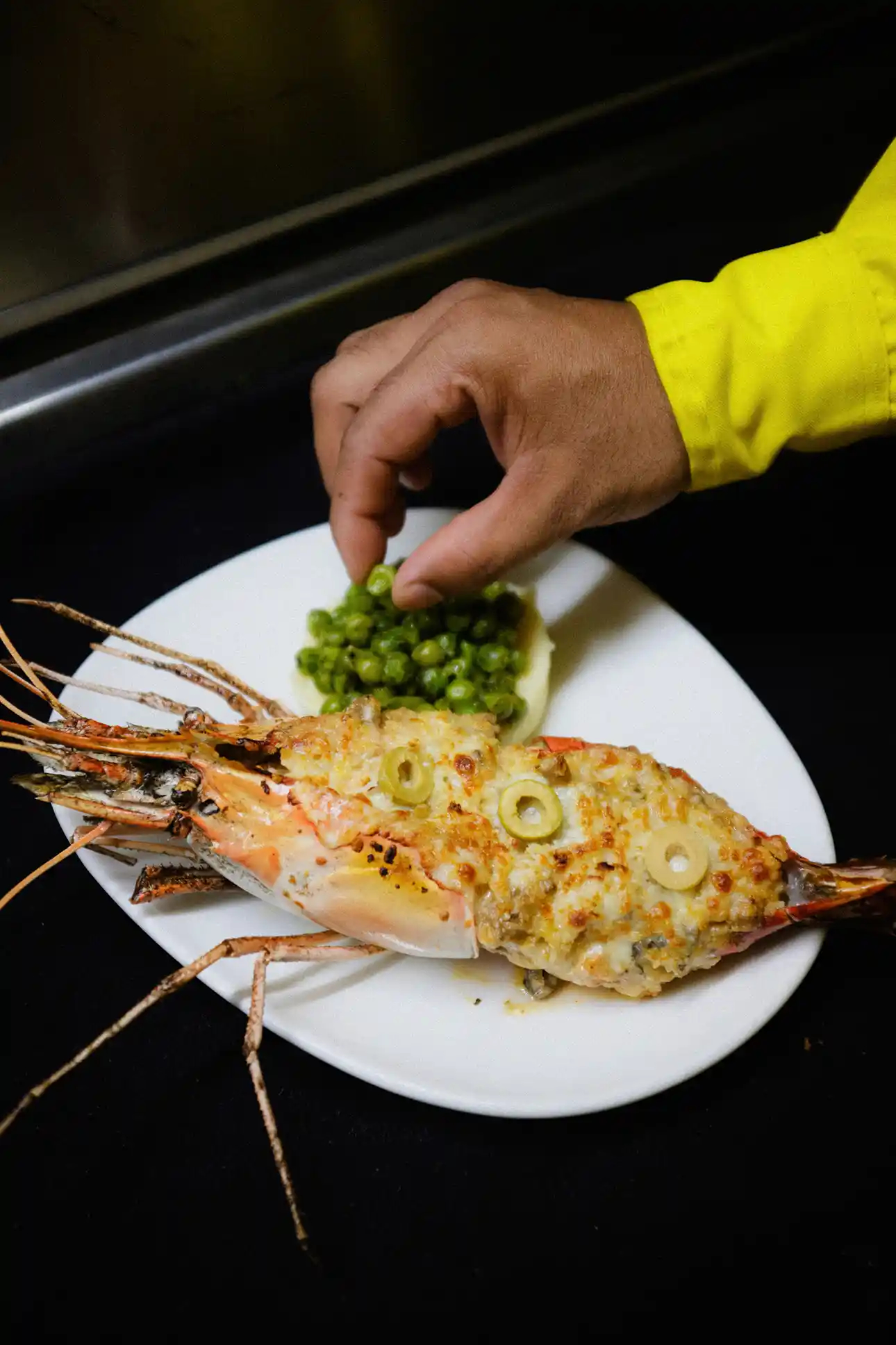
The challenge for me lay in reminding people that we actually have really good food here. It was a last-mile problem. When I came in, I implemented a system of checks and balances. I aimed for consistency and quality of experience so that it wouldn’t be hit or miss. Interestingly, the food sales are higher at Tavern and Trincas now than the liquor sales, which wasn’t the case before.
Then the pandemic hit…
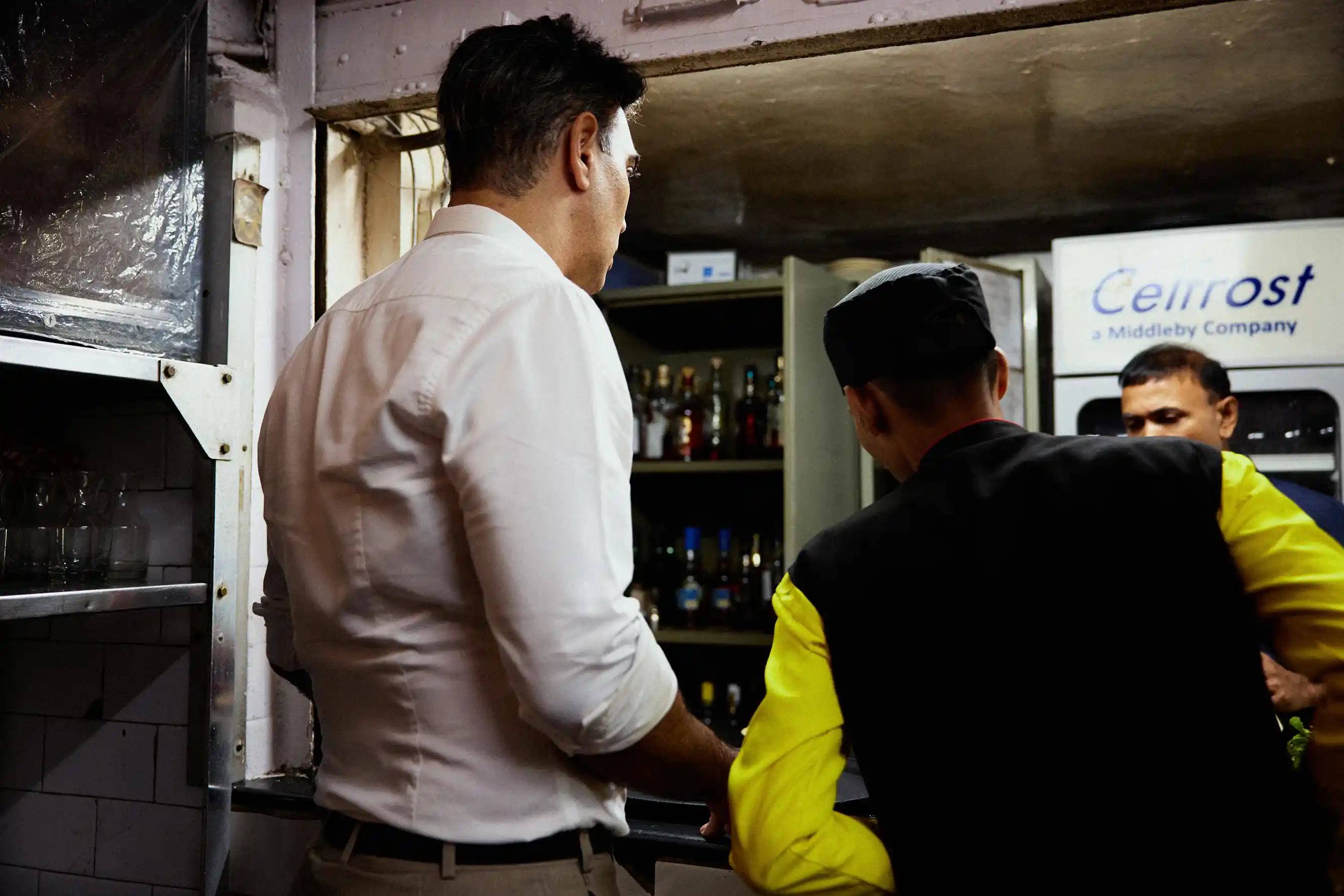
And I started going in instead of Dad. I’d go around, to the back of the restaurant, unlock the doors, switch on the lights. The staff got accustomed to me as I was with them through the various lockdowns when the restaurant opened and closed.
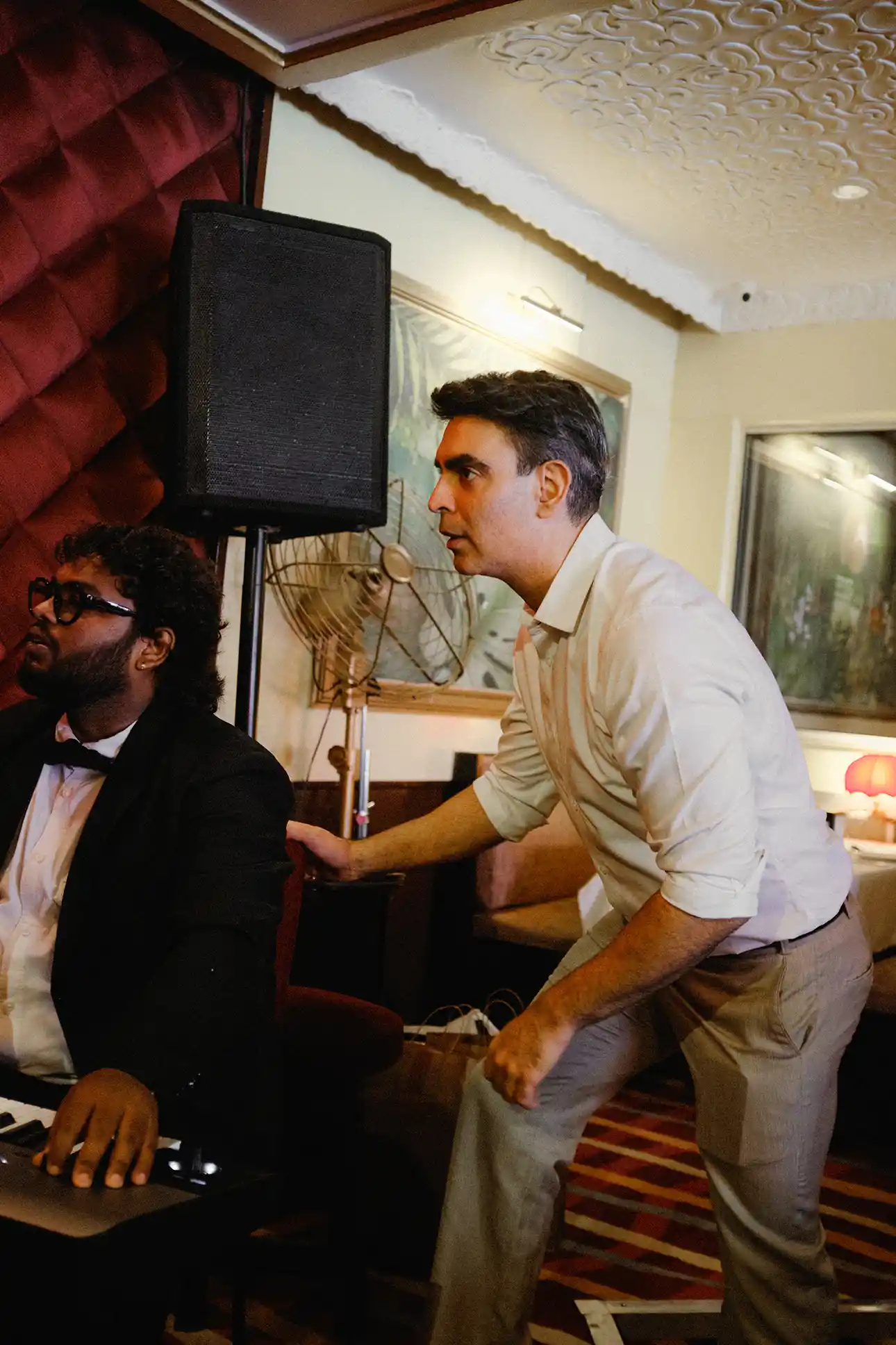
We had to stop the music for some time during the pandemic and it gave us the opportunity to reset. I thought of bringing new musicians in because we had been stuck in a rut. But it was really hard to find new performers. Many could sing but had never performed. I found them through word of mouth and YouTube but I had to convince them to come over and meet me. I hired a 22-year-old school teacher called Vanessa. She was so good but her parents wanted her to work full-time and not do music. She ended up getting a job in Bengaluru so that she could be away from her parents and perform there. Another singer I hired was a vocal coach. Both had to be guided as to how to use the stage and interact with the guests, how much to do, what not to do….
Trincas is such an integral part of Park Street’s history. Were you apprehensive about changing things up?
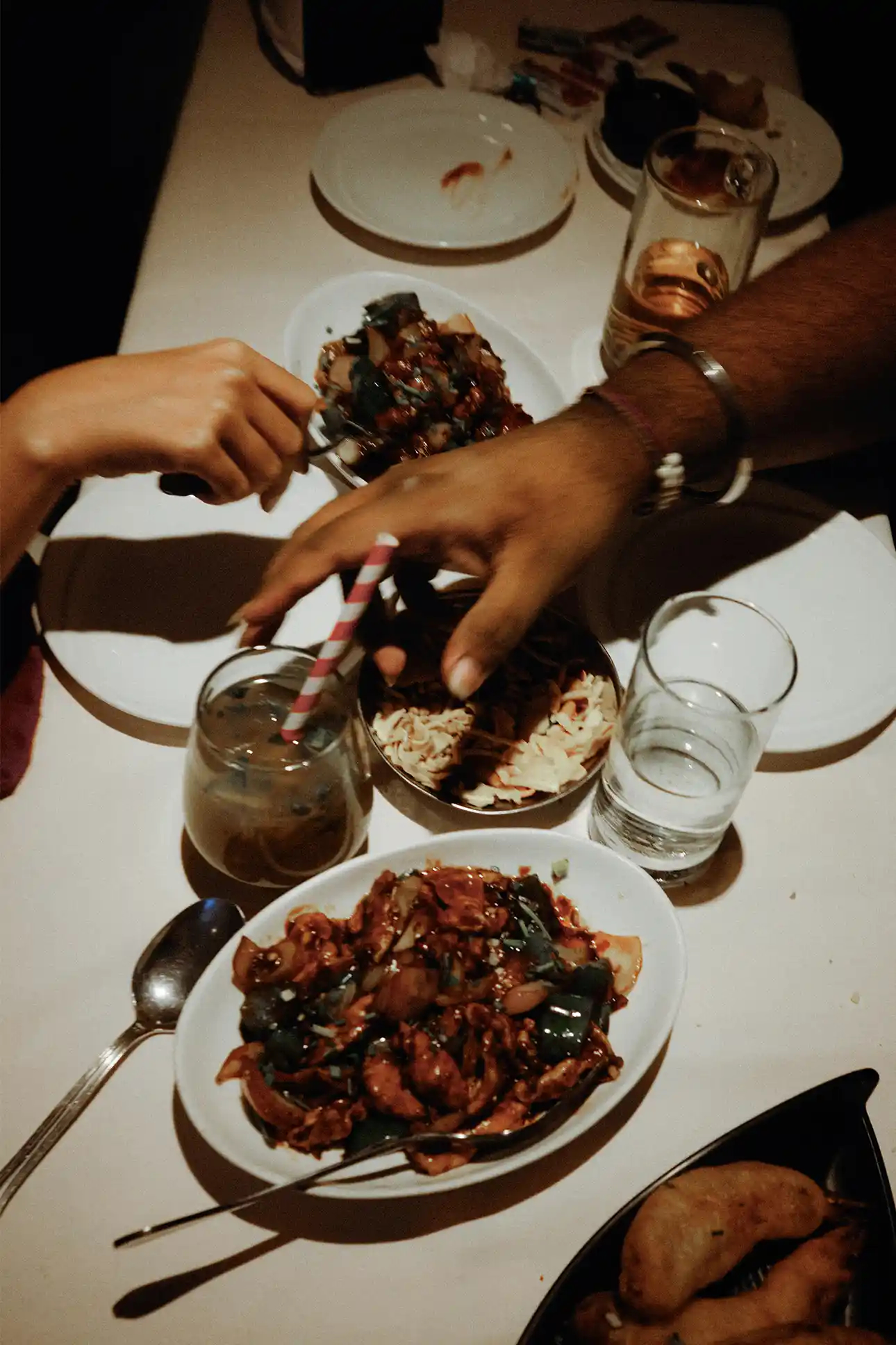
People are touchy when you erase heritage or mar an experience. I highlighted the heritage. I went with my gut. ‘What do I want to feel when I walk in here,’ I asked myself. And I tempered it with: ‘What do people really want?’ I worked in a way that bettered the experience without taking any of the good stuff away. I’ll give you a more recent example. The way we cook chilli chicken in Kolkata is that we deep fry the chicken, and then we toss it with chillies, onion, capsicum, soy sauce. I have introduced a sliced chilli chicken which is made using less oil — the way I prefer it. But I didn’t take that deep-fried chilli chicken off the menu.
Tell us about the first Weekend Jazz Lunch show at Trincas in August 2021.
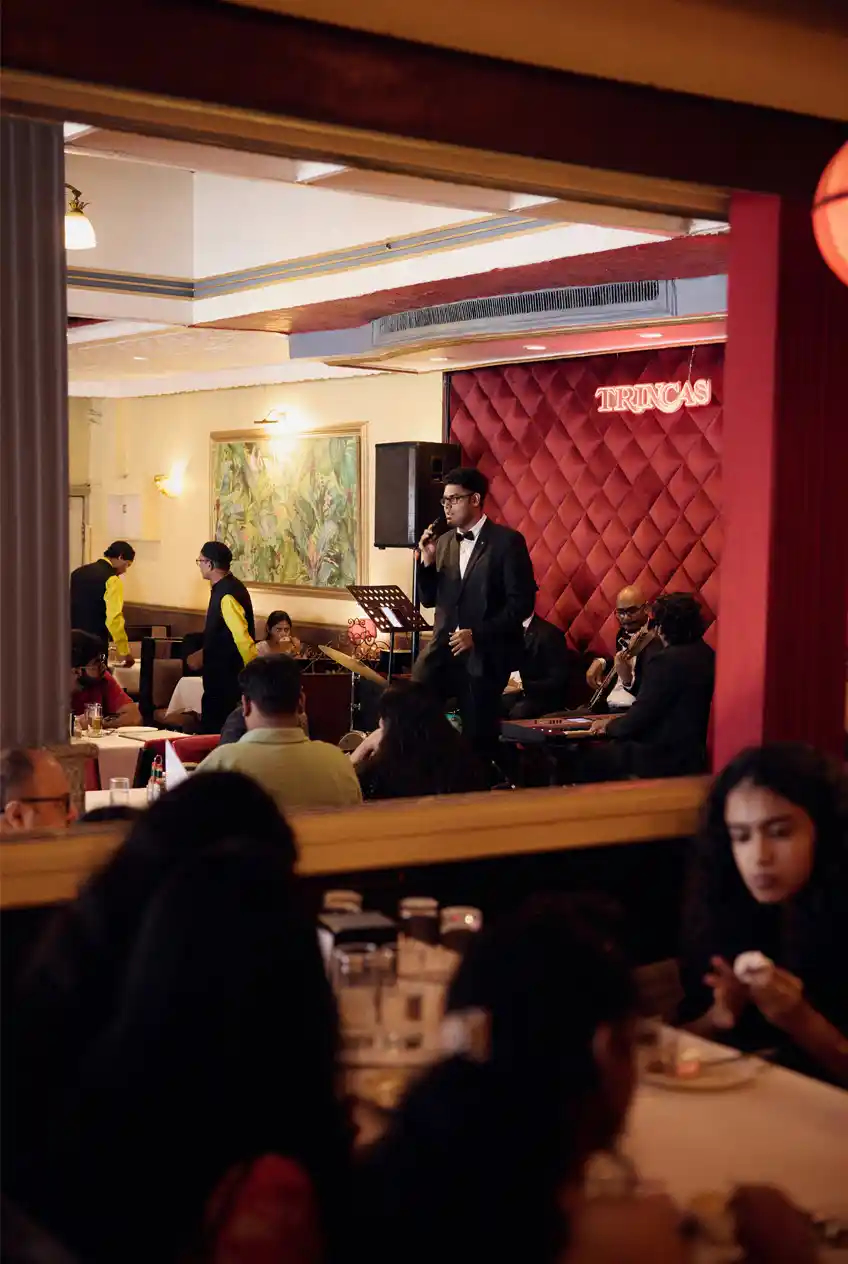
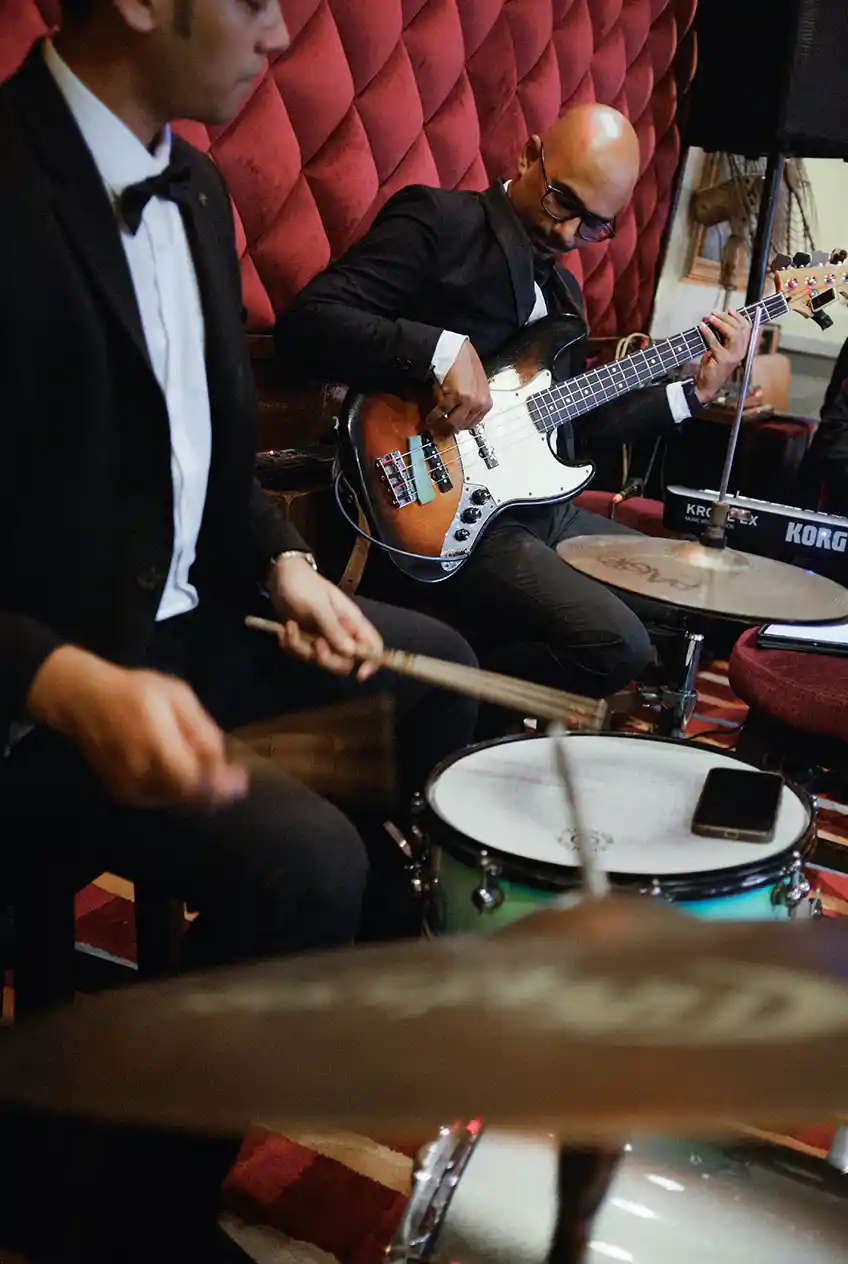
I wanted to add a cool musical element to lunch and it occurred to me that I could have a jazz band play here again. But there weren’t any jazz bands in the city — only a handful of local musicians could play the instruments and they would play at pop-ups now and then. I got hold of Willie Walters who had been part of various jazz ensembles and seen the heyday of Calcutta in the ’60s when bands played at many restaurants on Park Street. He played at the nightclub Polynesia at The Grand [The Grand Hotel, also known as the Oberoi Grand] and he continued to play even after the restaurants stopped playing that music.
Funny story: I was talking to someone yesterday who was running The Grand at that time and he mentioned how they would come to Trincas to scout for artistes because we knew how to choose them. The musicians would perform at The Grand and then they’d move through the biggest hotels in the country. Whether it was Usha Uthup, Jenny [Drewitt] or Willie. So, our bar was set pretty high.
Anyway, Willie cobbled together three other musicians, formed a band — Willie Walters’ Quartet — and we started our jazz lunches on Sundays.
How did you go about creating a new identity for Tavern-Behind-Trincas?
Gradually. The clientele of Tavern mainly consisted of office-goers who would come in after work, hang out, have a few — it was a cheap place to drink. And it had been like this since the ’80s or maybe even before that. In the post-pandemic world, habits changed and that clientele disappeared. The older lot stopped going out. Further, the price of liquor had shot up. While I was mulling over a new direction for Tavern in 2023, Pride Month came around and Nil [Navonil Das, fashion designer and co-initiator of Kolkata Pride, a Community-Based Organisation that works for queer inclusion] invited some people over. The party turned out to be great fun. We didn’t want it to be a one-off and it was important to me that those who gather here engage in some kind of community activity. It had to be something that people could do and we hit upon the idea of weekly karaoke nights. And when it clicked, I started to refurbish the place little by little. I didn’t want to overhaul it and give it a spanking new identity — it’s more than 50 years old and there’s value in identity.
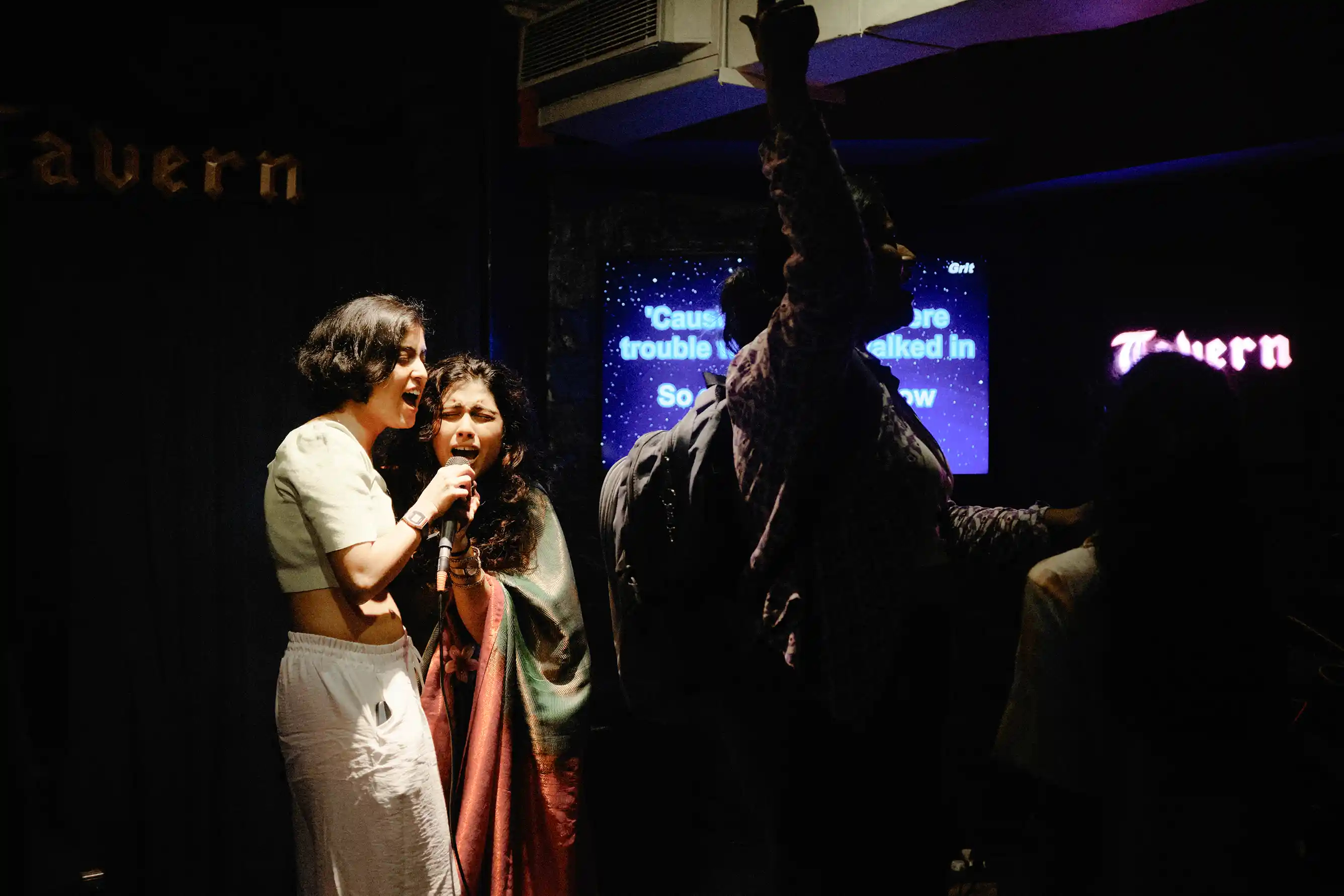
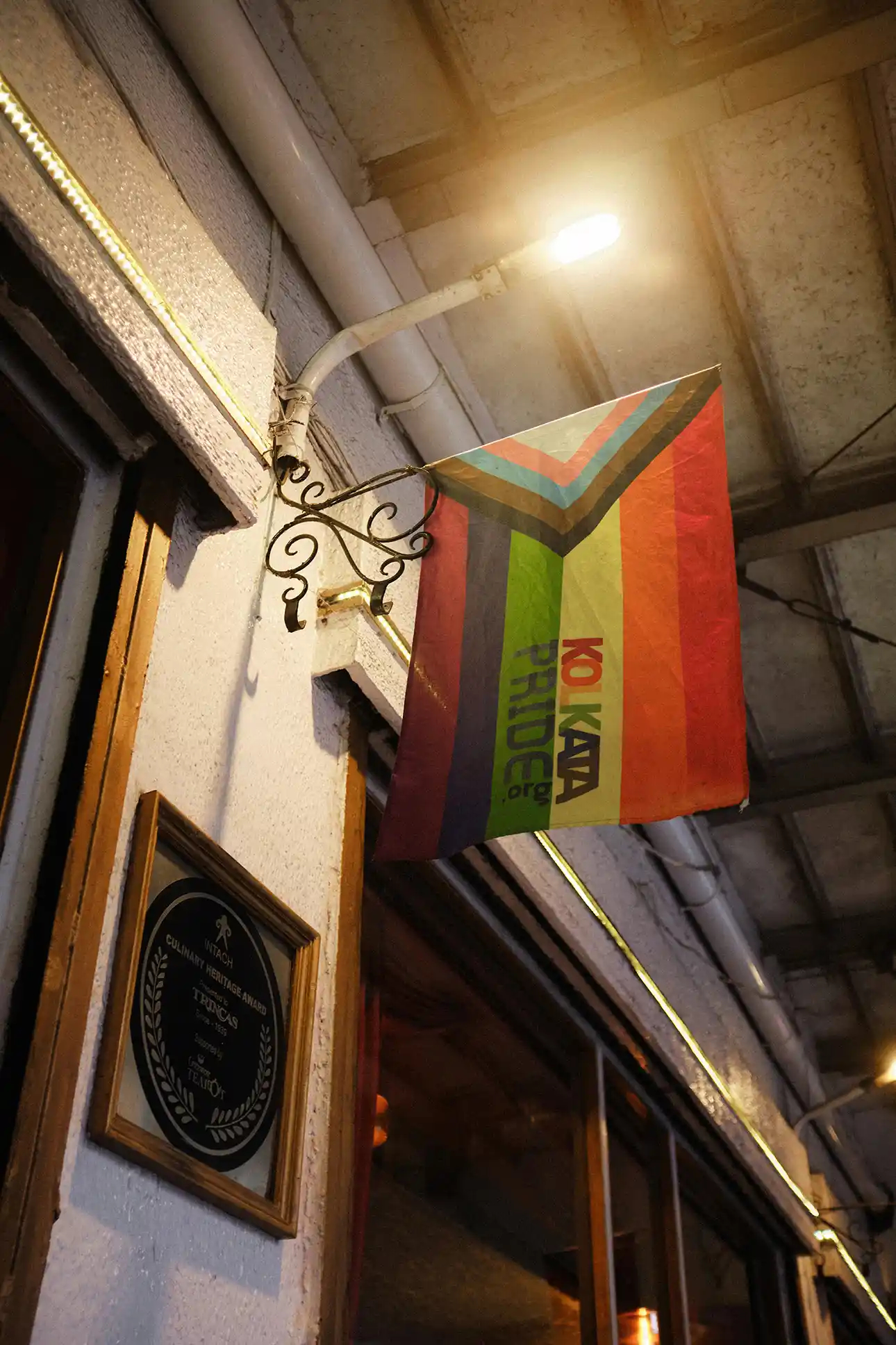
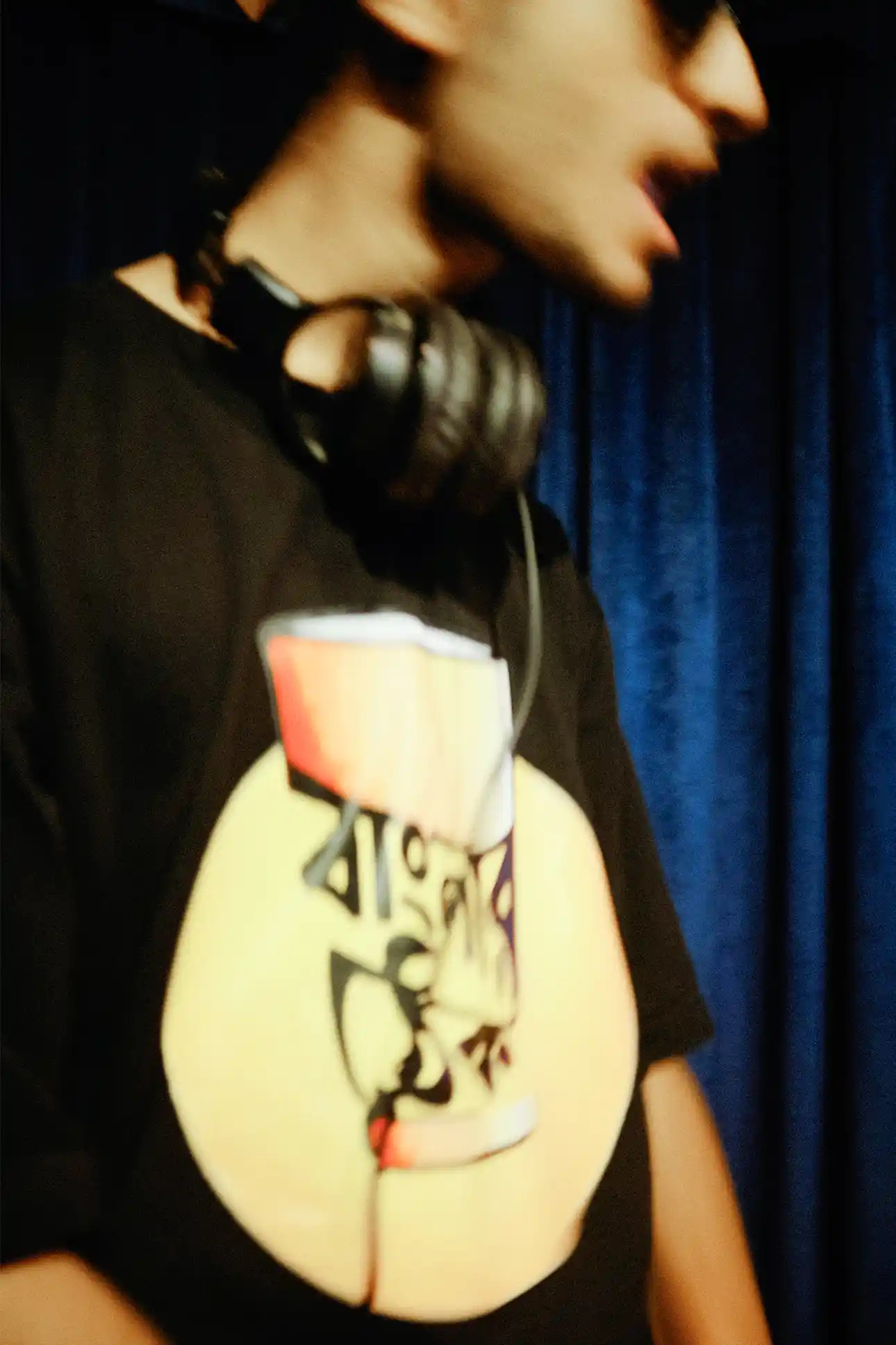
Karaoke Thursdays turned Tavern into a hub for the LGBTQIA+ community.
Over here, you walk in on a Thursday night and by next week you will know everyone. Even if you revisit weeks later, you will recognise a good number of people. We focus on experiences that centre conversation and socialising.
I was very nervous to take the plunge. I might be out but I didn’t want to mix it with work. Nil nudged me forward. He suggested that we conduct a sensitivity training session for the staff. But when his team was trying to explain what gay and trans and all of it means in broken Bengali and Hindi, the conversation was becoming awkward. I was standing by the side and I remember stepping in. I simply said, “Achcha, tum log jo kar rahe ho — jaise kar rahe ho — karte jao, sab ko sammaan dena chahiye, bas yehi bolna hai.” [Okay, carry on doing things your way, just treat everyone with respect.] And I left it at that. The staff responded by saying that they’ve been meeting and interacting with queer people for years, and that they behave with them the way they behave with all their regulars.
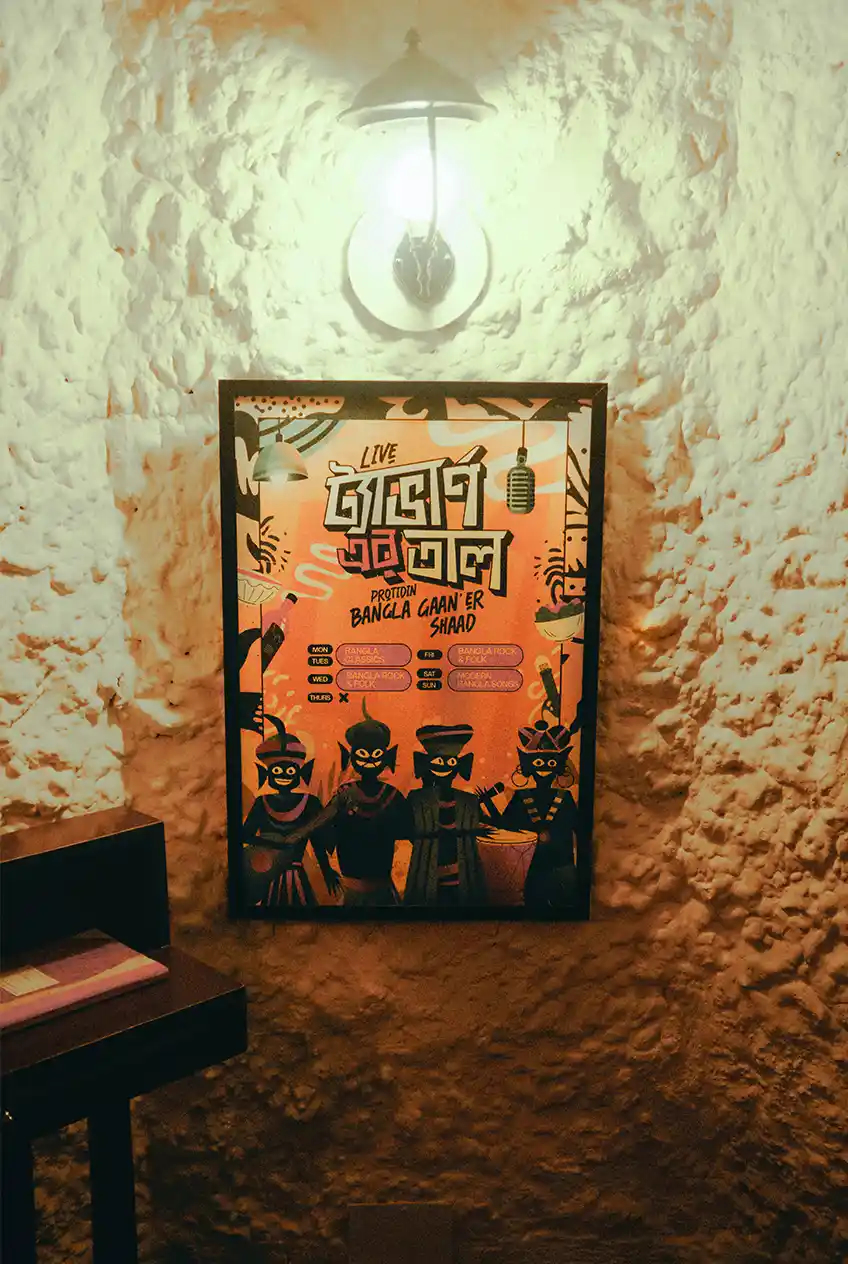
What was the reaction like when Tavern started hosting live Bengali music performances late last year?
Our target audience is between the age of 30 and 50, and that’s the subset that goes out the most. Because we traverse across genres — we’re not just doing Bangla rock or Rabindrasangeet — one can experience a whole melange of music here.
The younger lot has also shown a lot of interest. They’re more into Bangla rap — you should see how crowded it gets when the hip-hop crew performs before the karaoke on Thursdays. The youngsters do not have spending power, but that’s fine by me. Let Tavern be known for building communities. They are welcome to use the space for anything to do with hip-hop culture. I’ve been encouraging them to think out of the box and not just stick with the music so you sometimes see them bringing in beatboxers and hip-hop dancers during their cypher sessions.
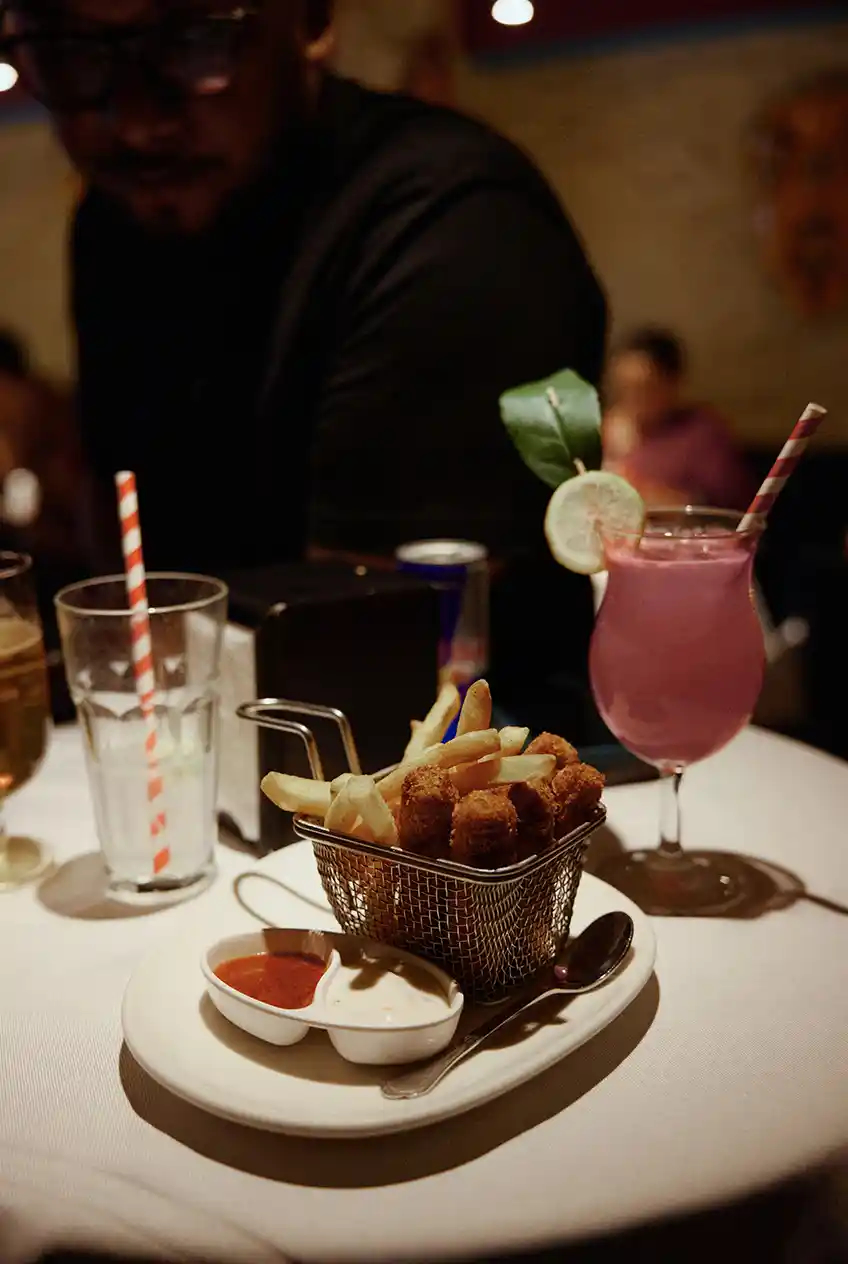
The Bengali language has filtered into the menu, in the form of your Bagan Bari beverage.
We introduced it in the summer of 2020. I thought it was a catchy name. The thought of a bagan bari [a getaway home in the midst of nature] evokes a sense of relaxation and luxury. I don’t want anything that doesn’t evoke a feeling. And why not have something that’s got the local flavour? It also features the gondhoraj lebu [a type of citrus known for its fragrance] which is native to Bengal.
You’ve used it very sparingly, but the use of Bengali on the restaurants’ Instagram accounts does create relatability.
When I speak, I use certain Bengali and Hindi words. It’s about what comes naturally and it shouldn’t feel staged. Therefore, a word here or there makes you accessible.
What was it like to have Louiz Banks, the “godfather of Indian jazz”, play at Trincas given the heritage restaurant’s long association with the genre?
Louiz Banks hadn’t ever played at Trincas before. Blue Fox [another iconic Park Street restaurant that has closed down] and Trincas were neck and neck in the ’70s with regards to jazz. Louiz Banks and Pam Crain, who performed at Blue Fox, get spoken about a lot. Benny Rozario, who played at Trincas, was an excellent jazz musician, and hugely respected. He, in fact, trained Bappi Lahiri. So, to have Louiz Banks perform here was sort of a little coup. It was a little tip of the hat from both sides. We acknowledge the fact that he’s a great musician and he respects the fact that we’re still around and doing jazz and live music.
And what are you working on currently?
The Trincas Timeline Project has turned up so much information. I’m writing a book now and it talks about the connections between the city and Trincas over a period of a hundred years. I cover a wide range of topics — from why Europeans migrated to Calcutta and how they interacted with Trincas to the Bengal famine of 1943 and more. The famine had such a large bearing on Bengal. It’s important to bring up topics that people may have forgotten about. Many have forgotten what Calcutta went through — and why it is the way it is now. Our saying “Don’t waste rice” comes from this tragic period when millions starved to death.
And consider how Trincas was started by a Swiss immigrant. Switzerland, one of the most powerful currencies in the world today, was in such bad shape that people came to Calcutta in India to make their fortunes. Quinto Cinzio Trinca arrived in Calcutta in the 1920s, after World War I, and stayed in the country till 1960. He spent so many decades of his life here. Calcutta was very rich and anyone with a little bit of intelligence could make a killing. It was known as the second city of the Empire and you know how the saying went — ‘The sun never sets on the Empire’.
You feature prominently in the Reels of your restaurants’ Instagram and are the face of Trincas today.
I had terrible stage fright. I couldn’t even go in front of a camera without stuttering. I’ve gotten better and I did it because one has to push oneself. You never grow if you’re always comfortable. Am I the face of Trincas? I suppose I am.
Click here to read Anand Puri’s Brave New Worlds: The Journey