Is Travel An Escape From Responsibility For Most Tourists?
Tamil Nadu’s Mannavanur is a glaring example of the pitfalls of overtourism, the collective lack of civic sense and systemic flaws. A solo female traveller returns to the once-idyllic village and recounts the ways in which local communities are adapting to life disrupted by travellers…
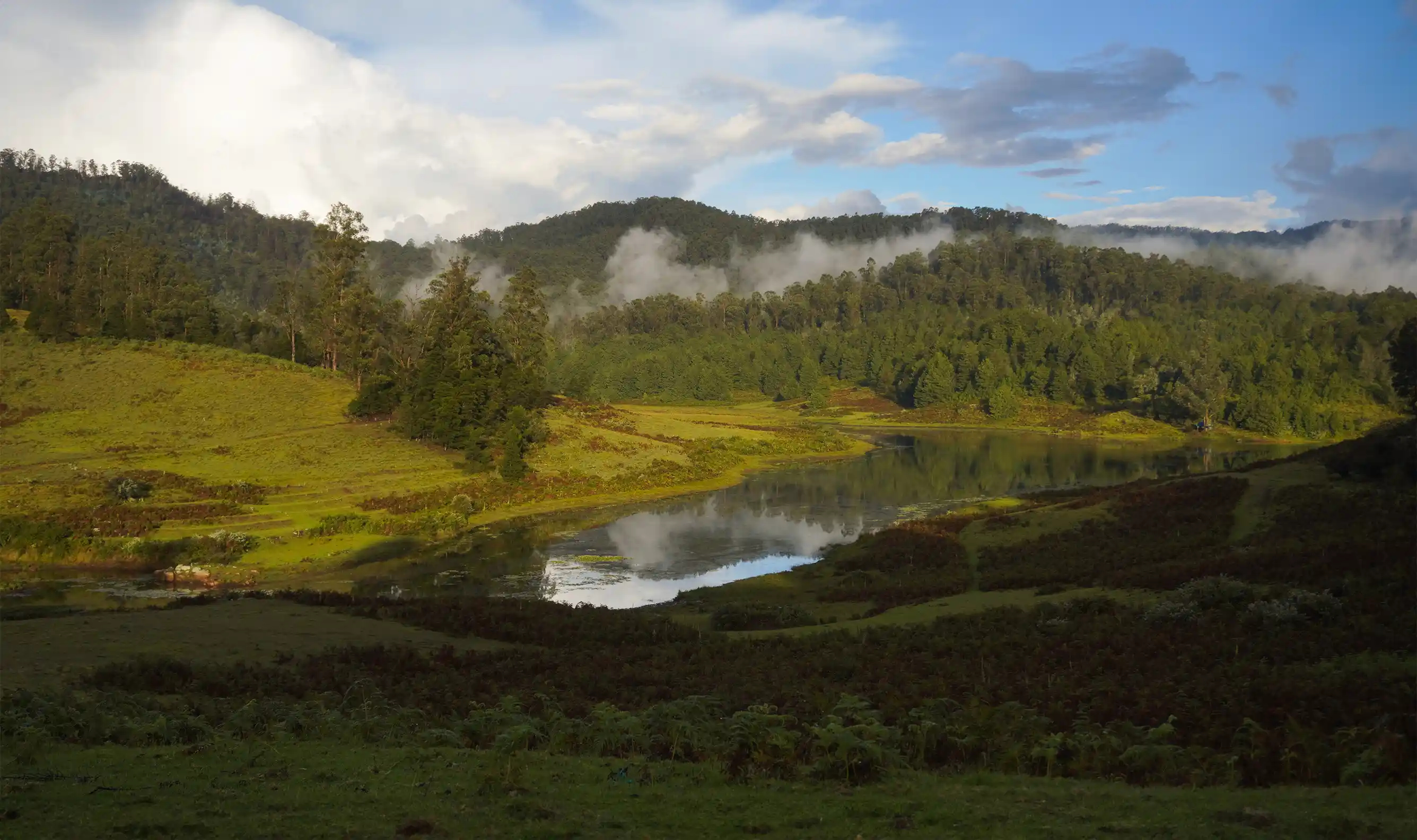
I arrive in Kodaikanal at dawn and wait at the local bus stand to take the “red bus” to Mannavanur. I am not entirely sure about what to expect upon returning to the village after two years, but the 34-kilometre ride shared with locals, who make space for my backpack among theirs, brings back memories of the first trip.
***
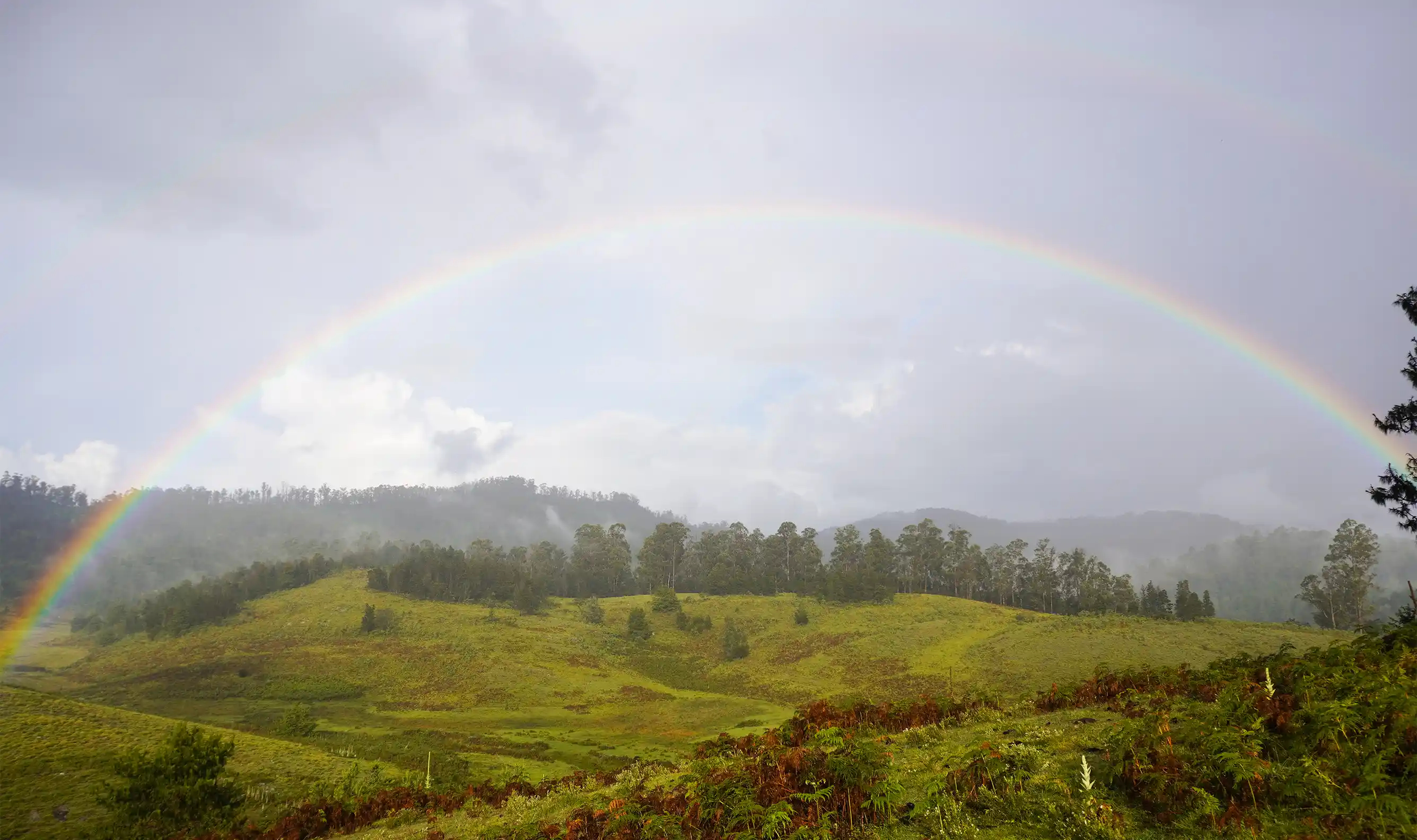
As we near the village, familiar spots appear: the tea stall I’d frequented, the views I’d once woken up to, even faces of people I’d met two years ago. Yet, somehow, the street vendors seem different: less curious and more distant.
***
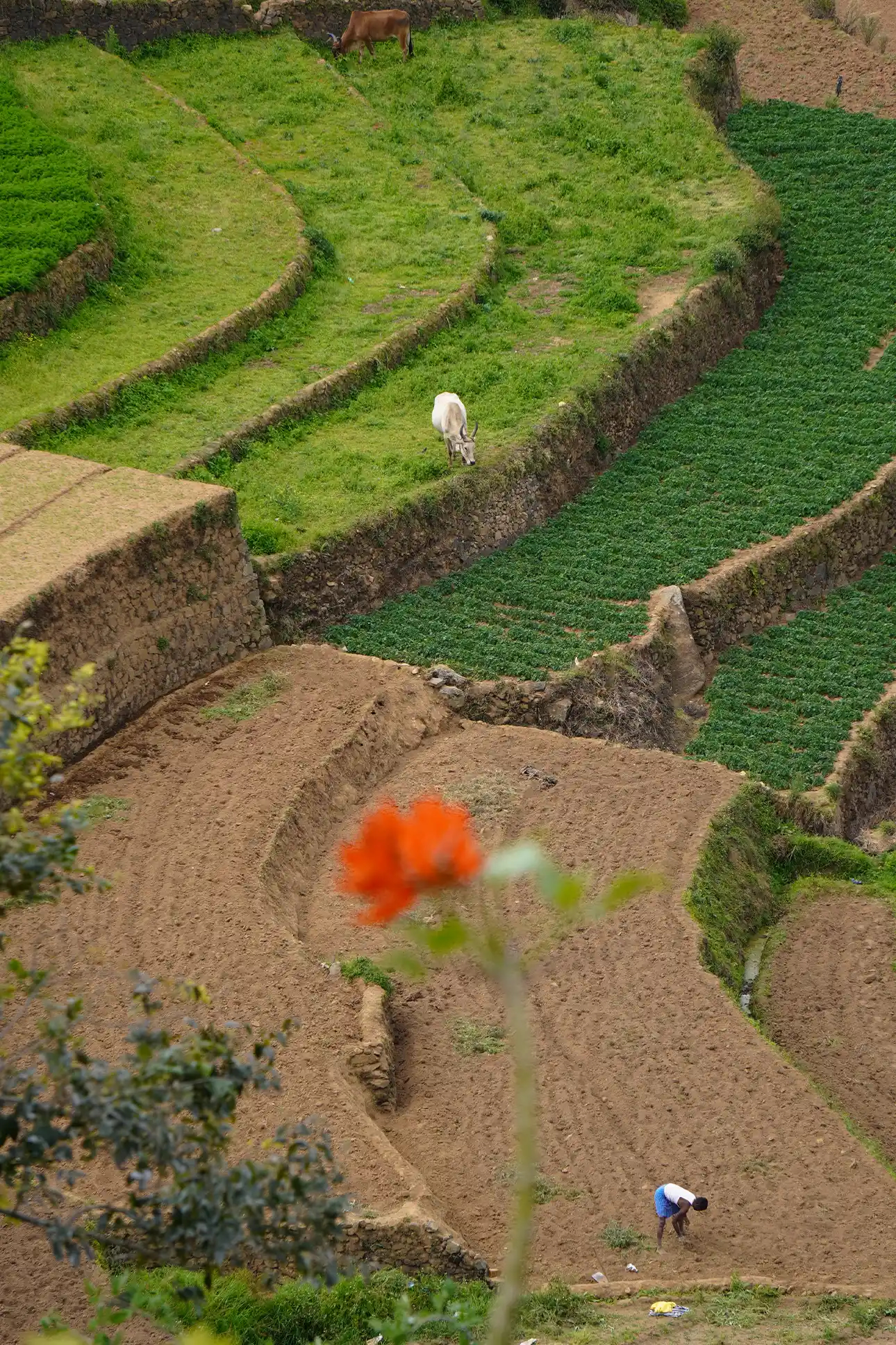
Situated in the buffer zone between Palani Hills and a tiger reserve, Mannavanur is known for its step farming. Most farmers I meet are elderly. They believe in rising with the sun to work the same fields their parents once did. It makes me wonder if the younger generations think of farming as a livelihood worth holding on to.
***
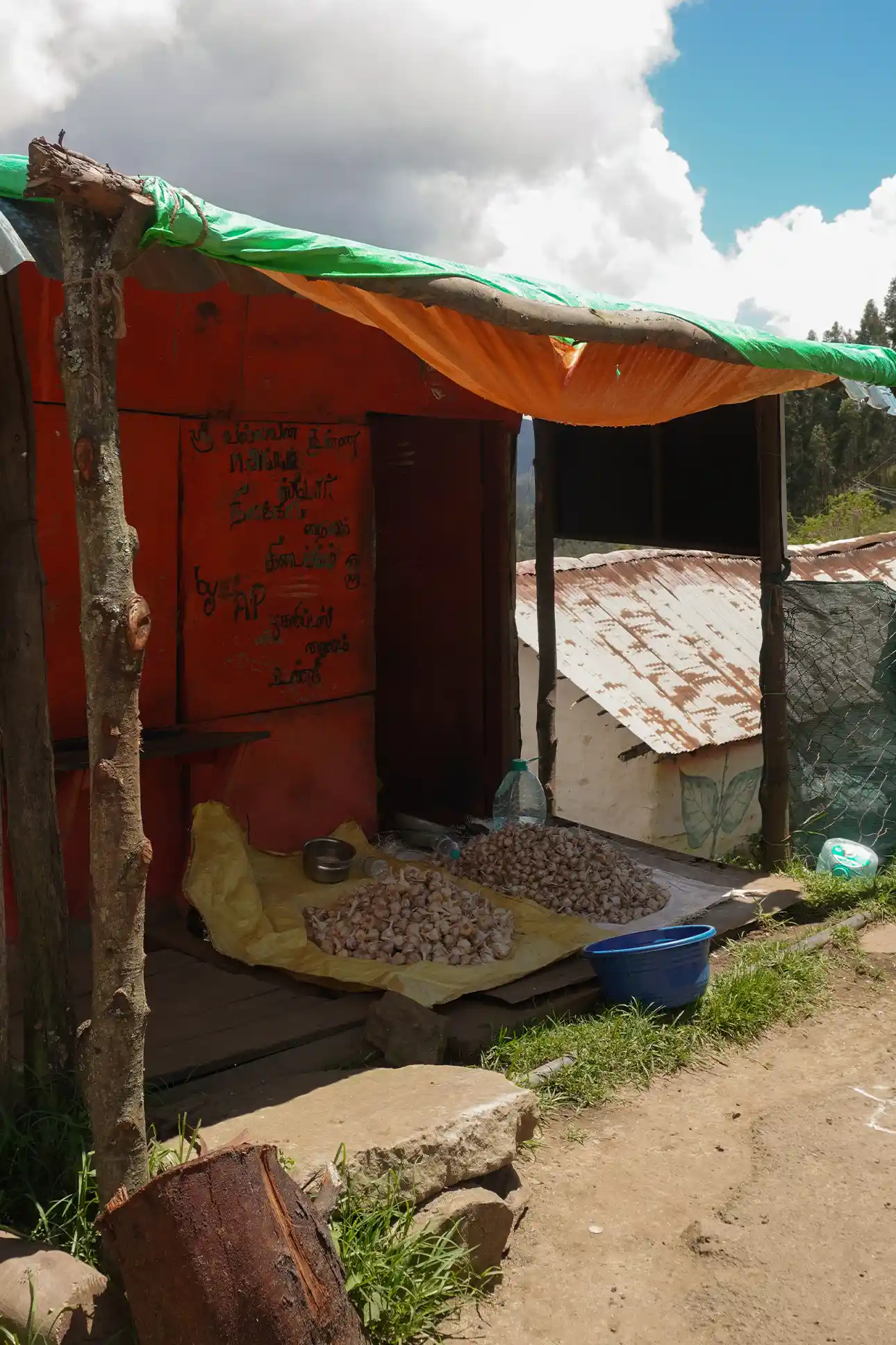
Nattu poondu, literally country garlic in Tamil, is everywhere. At one point, I am even stopped by an elderly woman on the road who assumes I am looking to buy some. The produce overflows in baskets and stalls. It is paired with carrots, an unlikely combination. Tourists regularly buy the latter to eat on the go while the less glamorous garlic lingers on the side.
***

As I watch porters dragging tourists’ suitcases with broken wheels up rocky slopes, I recall that I too had naively brought a suitcase on my first visit.
***
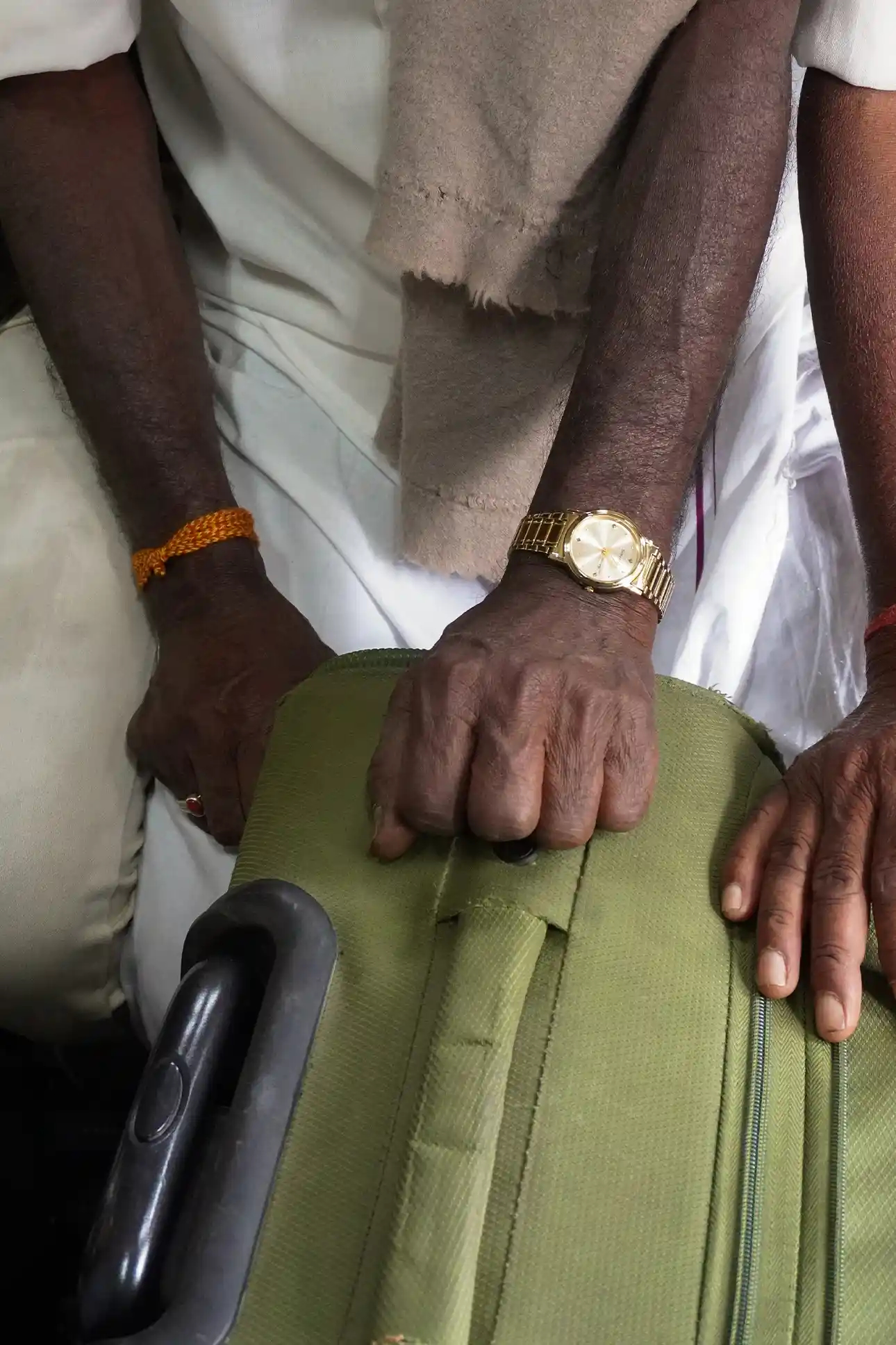
As a solo female traveller, I don’t feel unsafe among the locals. It is the tourists who unsettle me. Many a time I find male tourists leaning out of windows of their rented Innovas and Fortuners to ogle — and they remind me that danger often travels in from the outside.
***
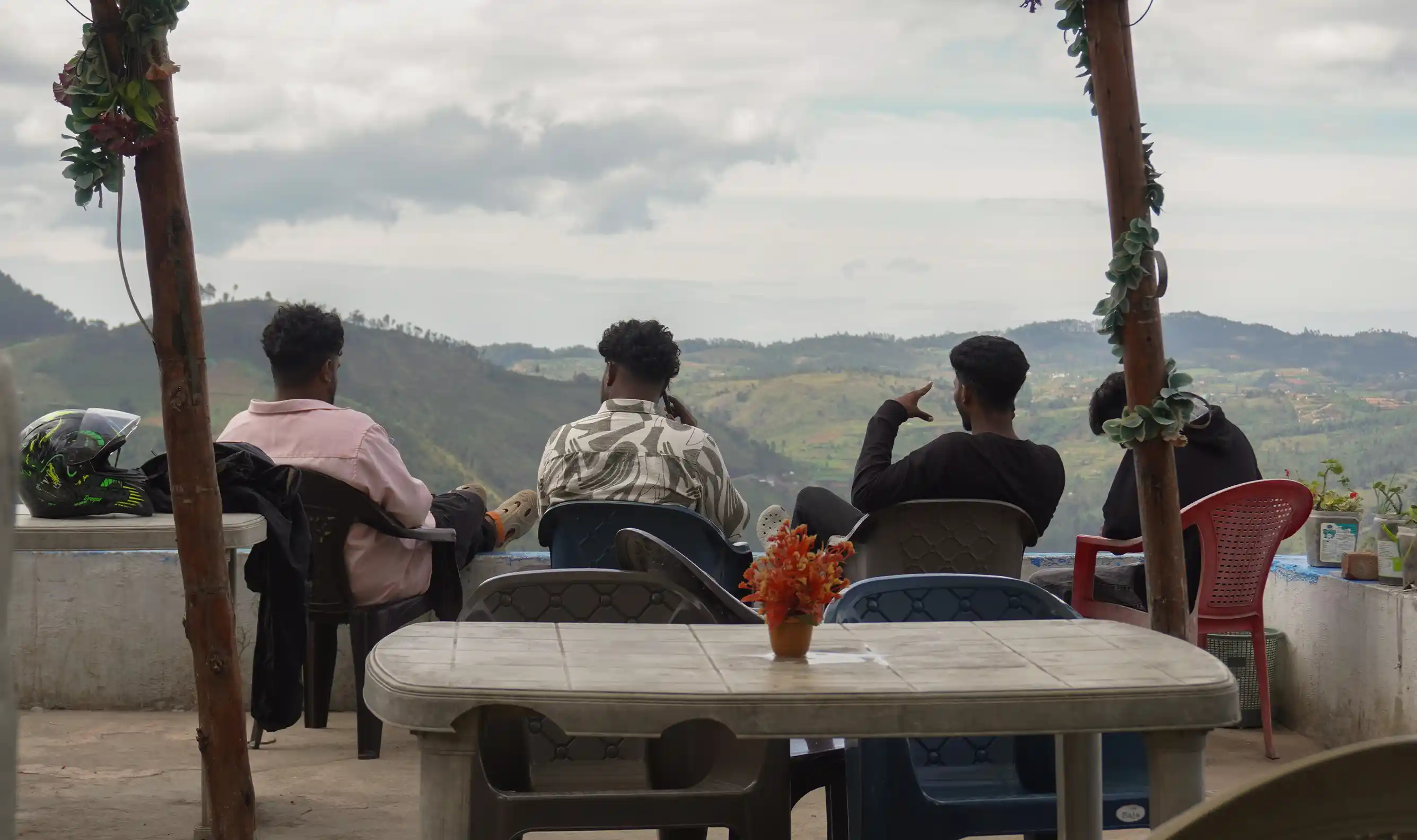
Most tourist groups are all-male and they are frequently loud, restless and careless. They speed through narrow roads, smoke relentlessly and leave behind a trail of wrappers and plastic bottles. Safety is rarely a concern. Helmets hang unused, seatbelts are ignored. Mannavanur’s idyllic roads seem to invite a kind of arrogance.
***
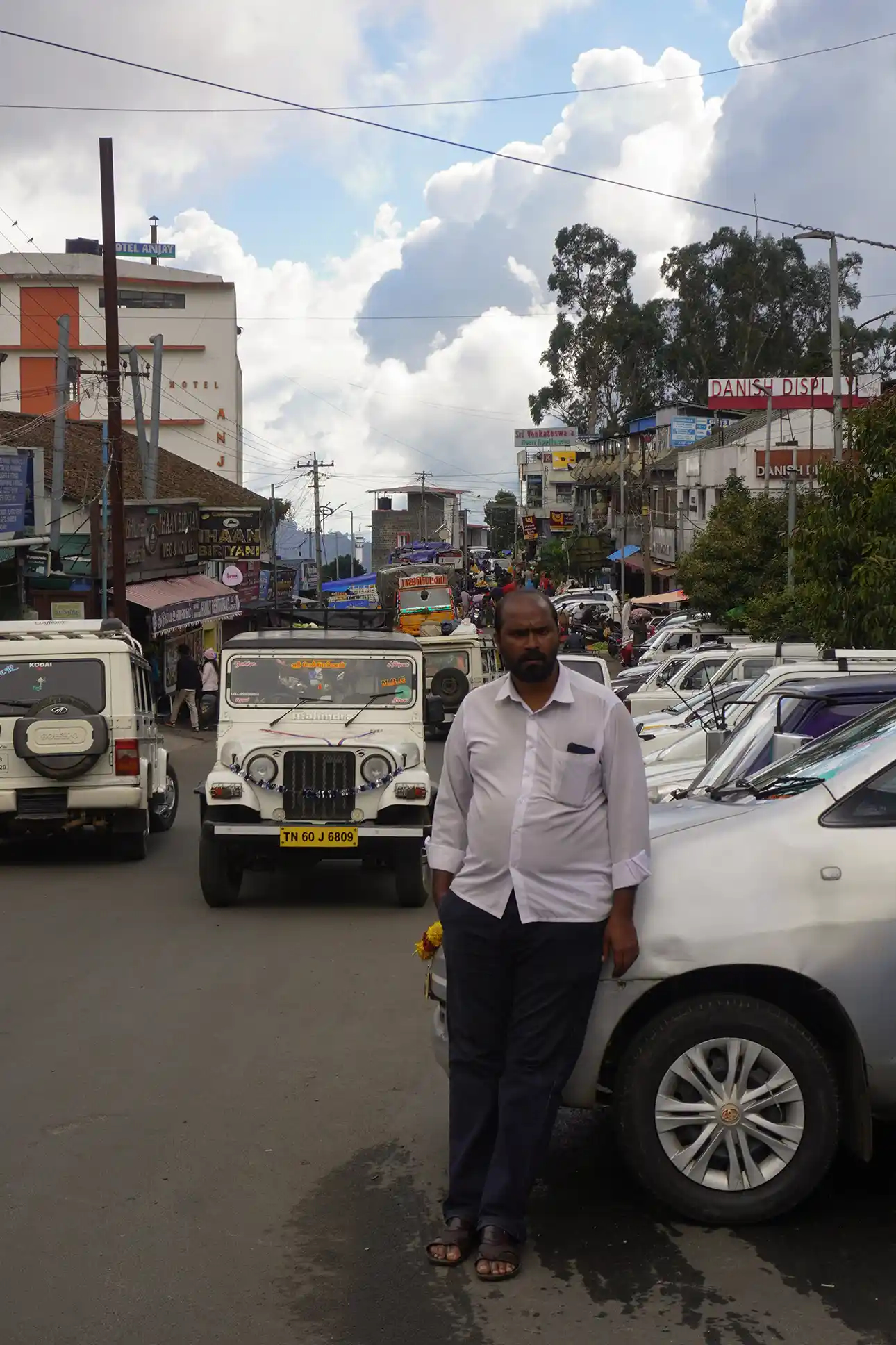
The cabbies know exactly how the system works and how to work it. They have a monopoly in the nearby Kodaikanal and the village alike. A round trip to any nearby village costs rupees 3,000, non-negotiable. They have learned how to read tourists…and, naturally, the rates fluctuate between weekends and weekdays.
***
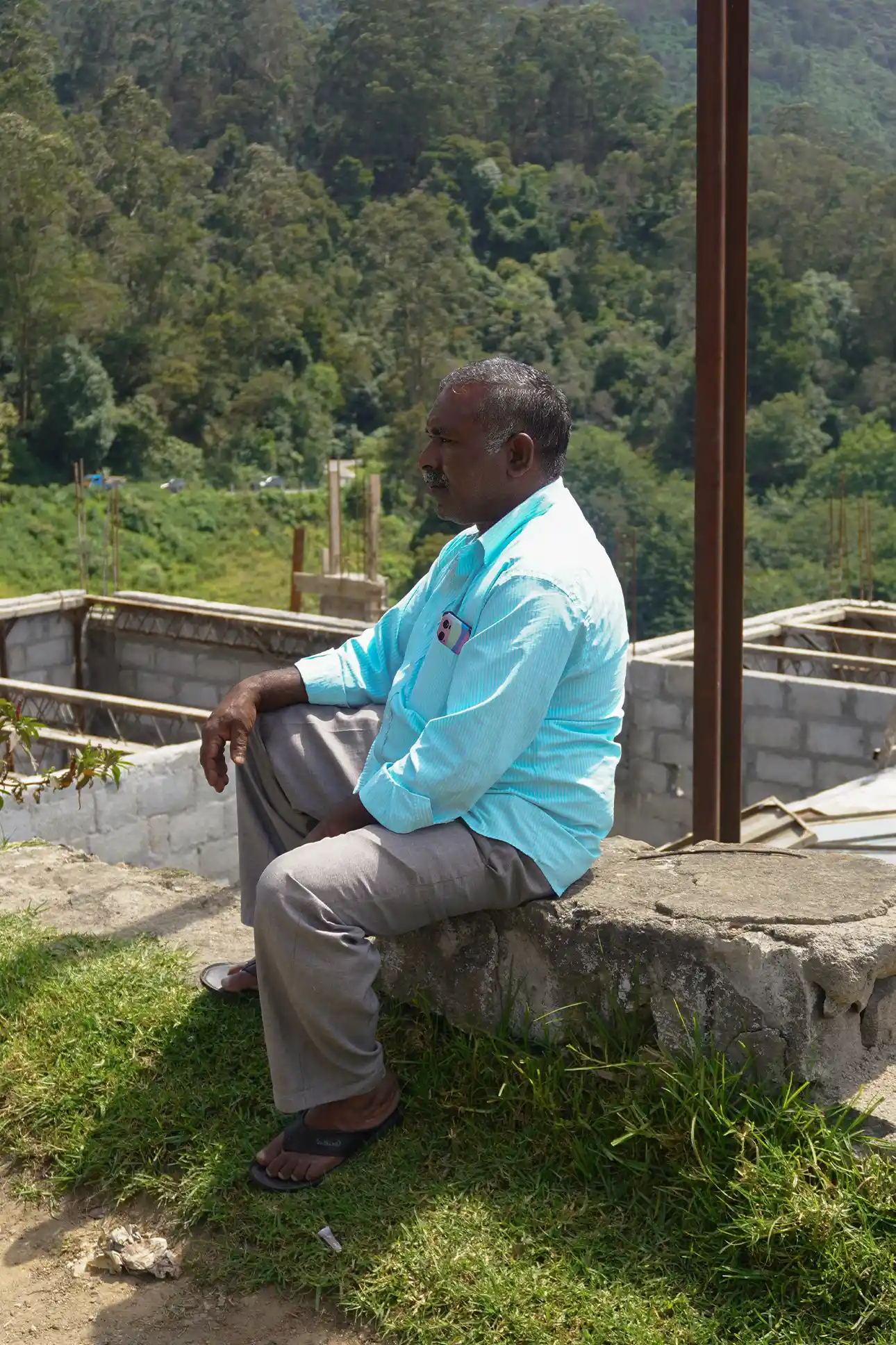
Tourists can’t escape the attention of the formal-shirt-wearing taxi drivers — their unofficial dress code. Their phones peek out of their shirt pockets and they stand out in the midst of the tourists, who are often dressed in sweatshirts and jackets, and locals. The latter are usually barefoot and wear lungis with white tanks or T-shirts with a gamcha around their necks.
***
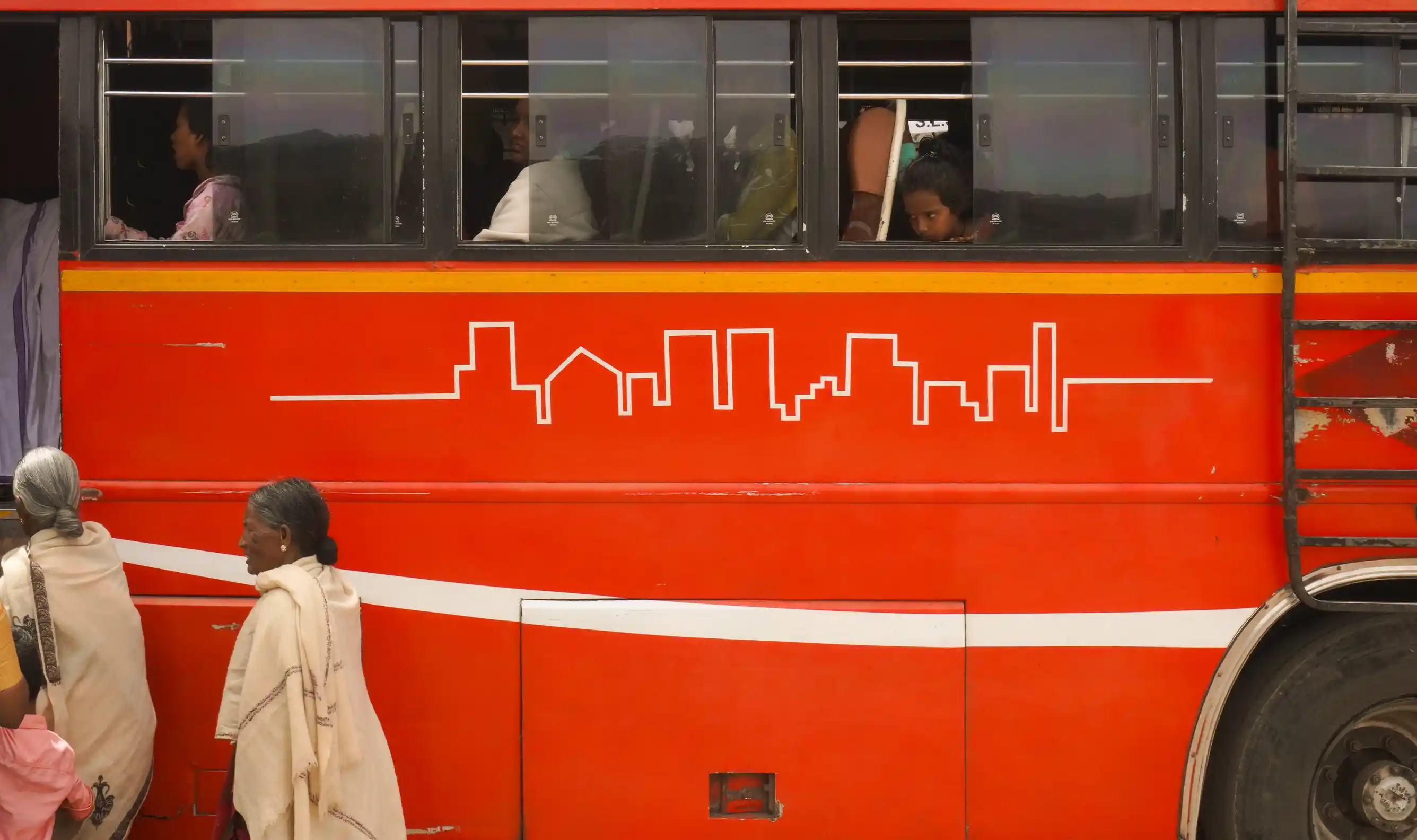
The local buses are the veins of these hills, connecting distant villages to the city of Kodaikanal, ferrying people, parcels and stories around. For the locals, they are a lifeline. Unlike city transport, there is a sense of community here. You commonly see drivers and conductors guiding one another around the hairpin turns.
***
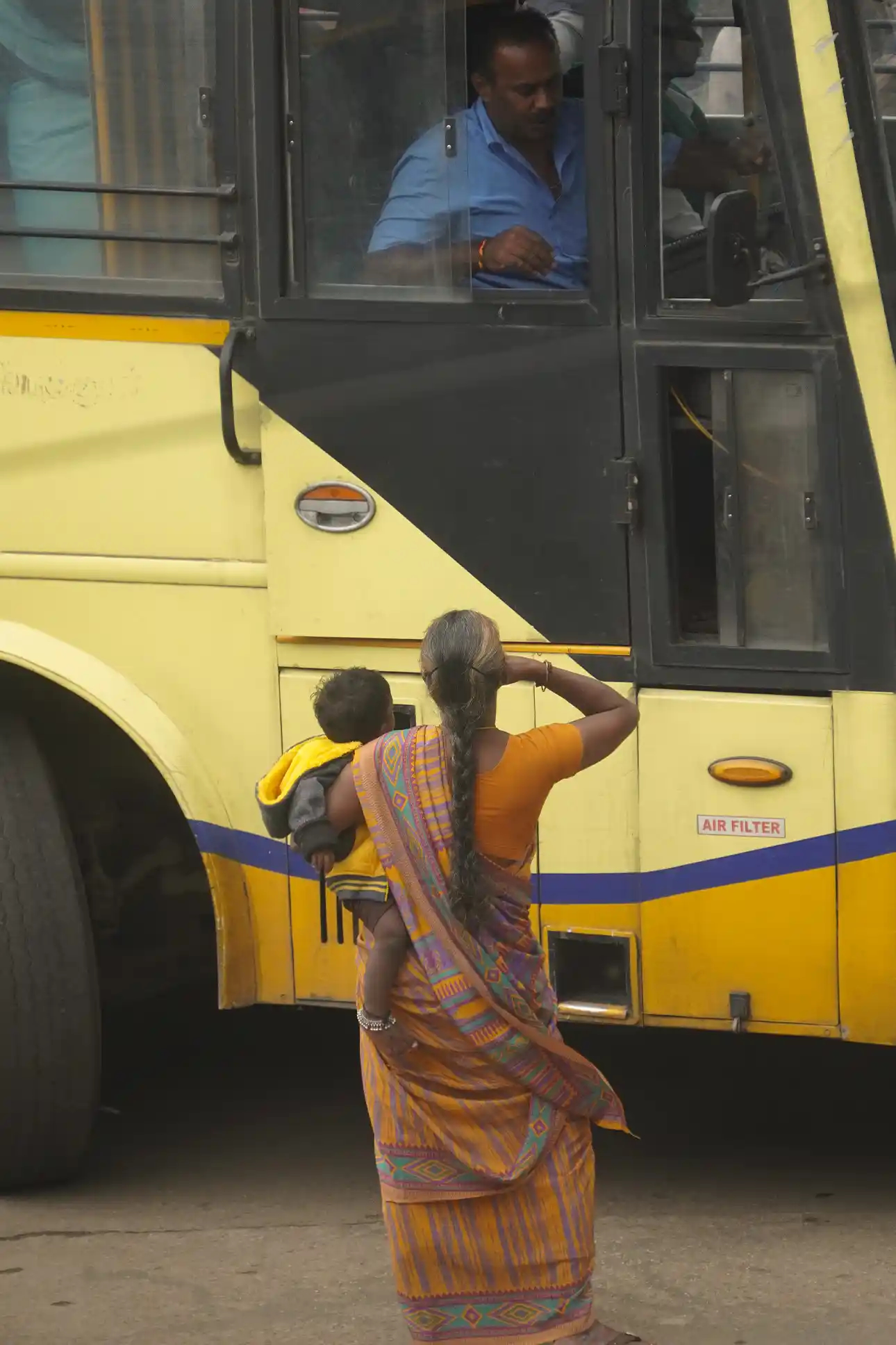
Travel time has almost doubled due to tourism surge and traffic. Jams with such a scenic view feel different. But the honking is familiar. What was once a seamless route has turned into a daily test of patience for the locals.
***
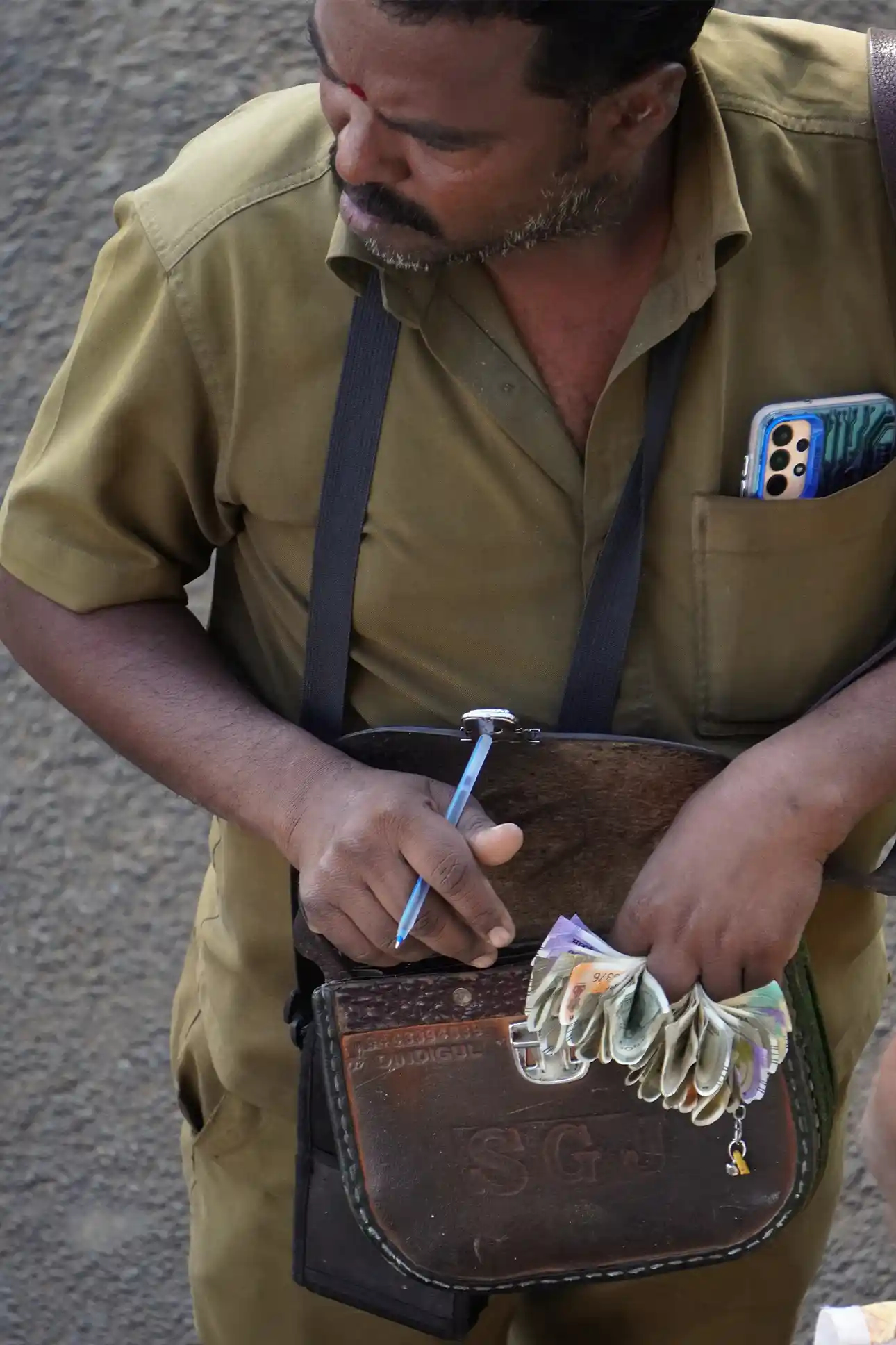
I remember missing the bus one evening and my worry was quite apparent. The shop owner noticed, enquired and called the bus driver. “He’ll wait at the next stop,” she said. Many of the bus drivers also carry vegetables from the city for shop owners in the various villages, a quiet arrangement that keeps the villages running.
***
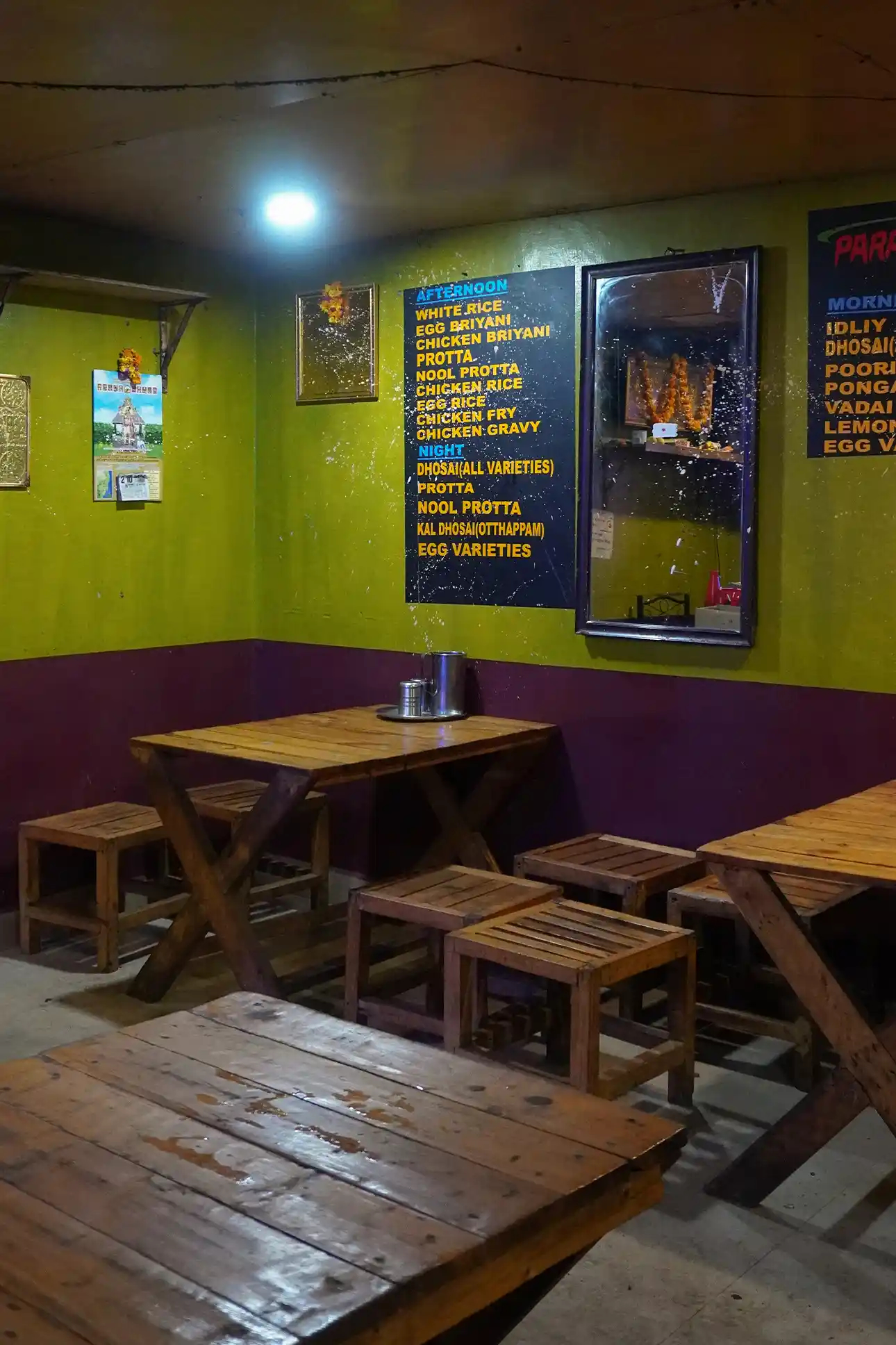
On my previous visit, Hotel Vellavan became my refuge when I walked in for a meal after a tiring day and found that they had accommodation here too. Currently, posters and stickers announcing vacant rooms make it easier to find them.
Though the owners insist nothing has changed, the plastic containers for their new home delivery service and their shift to market-bought palm leaves that serve as plates — replacing those cut from their own trees — reveal otherwise. Continuity is being gently bent by convenience.
***
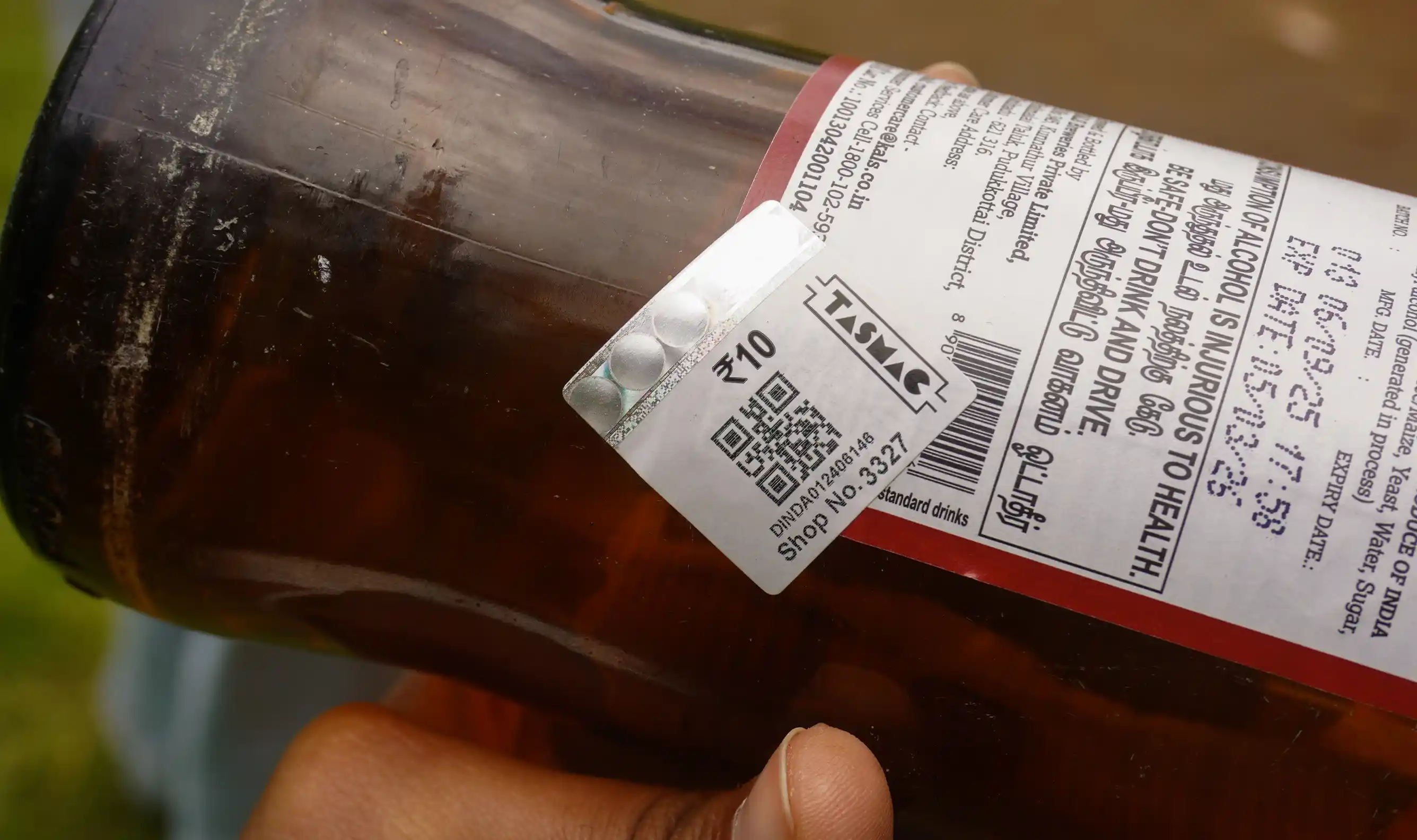
One evening, I notice the stay’s staff collecting empty beer bottles. I learn that these are returned to the liquor shops operated by TASMAC (the Tamil Nadu State Marketing Corporation Limited). Each bottle fetches rupees 10.
***
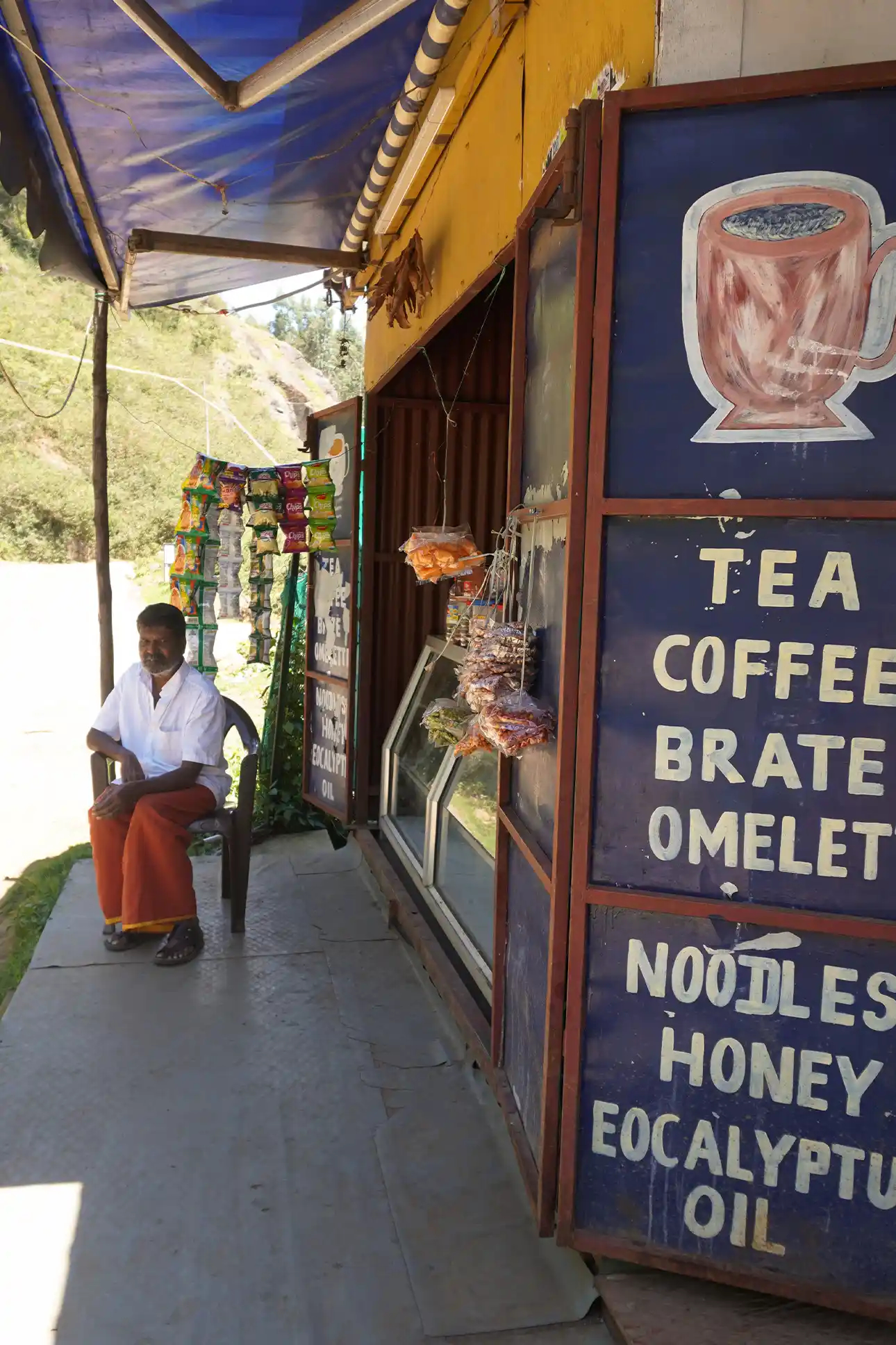
Many of the small shops depend less on their menu and more on the natural beauty of the village for their survival. I see one that has “Photoshoot” painted boldly across its wall, a clear invitation to stop and pose.
***
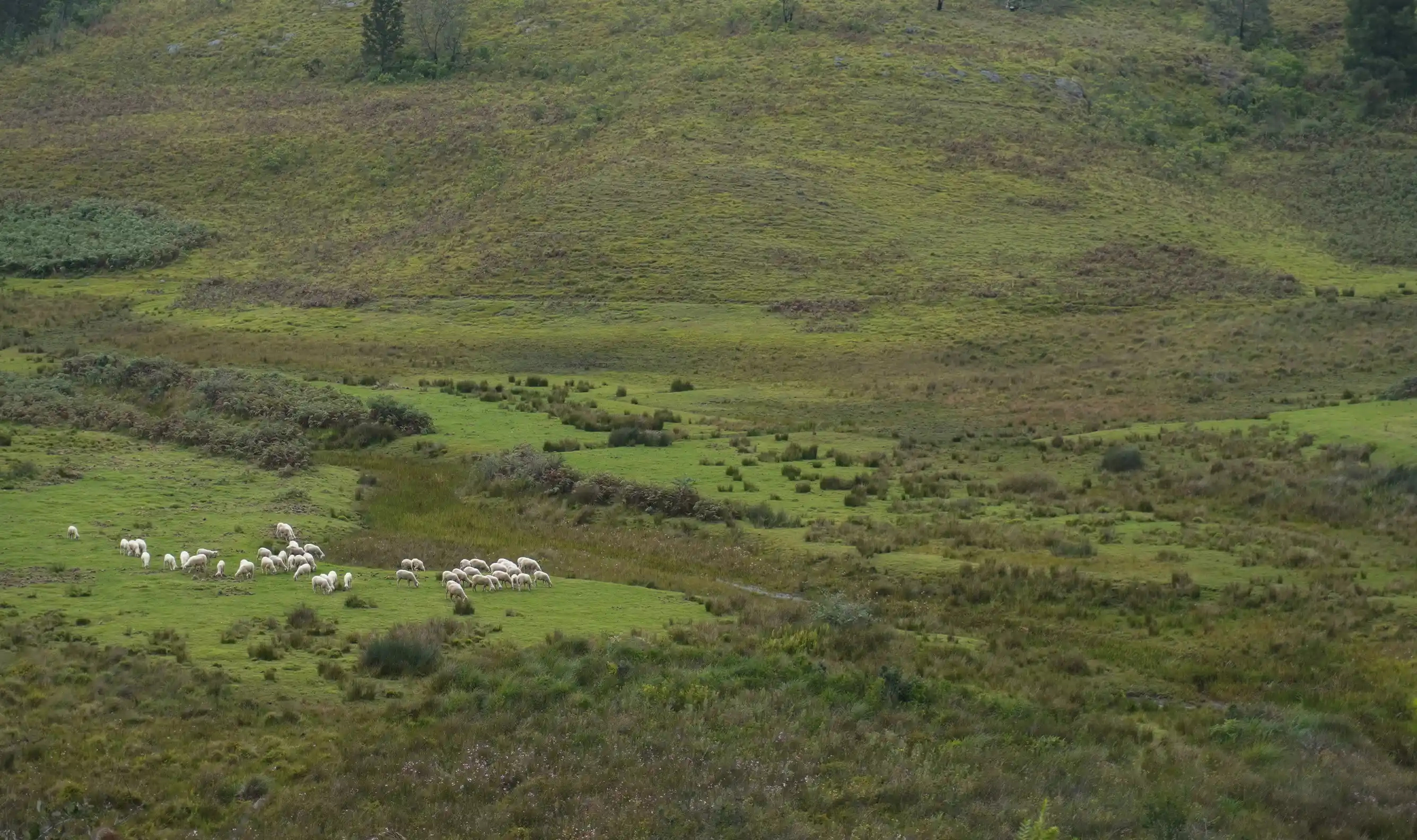
The eco park, developed by the state, is located in the middle of Mannavanur. Sustainability is announced through signboards but plastic water bottles are sold at kiosks. Snack wrappers and tissues accumulate on the grass. Tourists can enter the ticketed manicured green stretch overlooking a vast green valley but not the forest reserve. Sheep and goat herders move through the reserve as they always have.
***
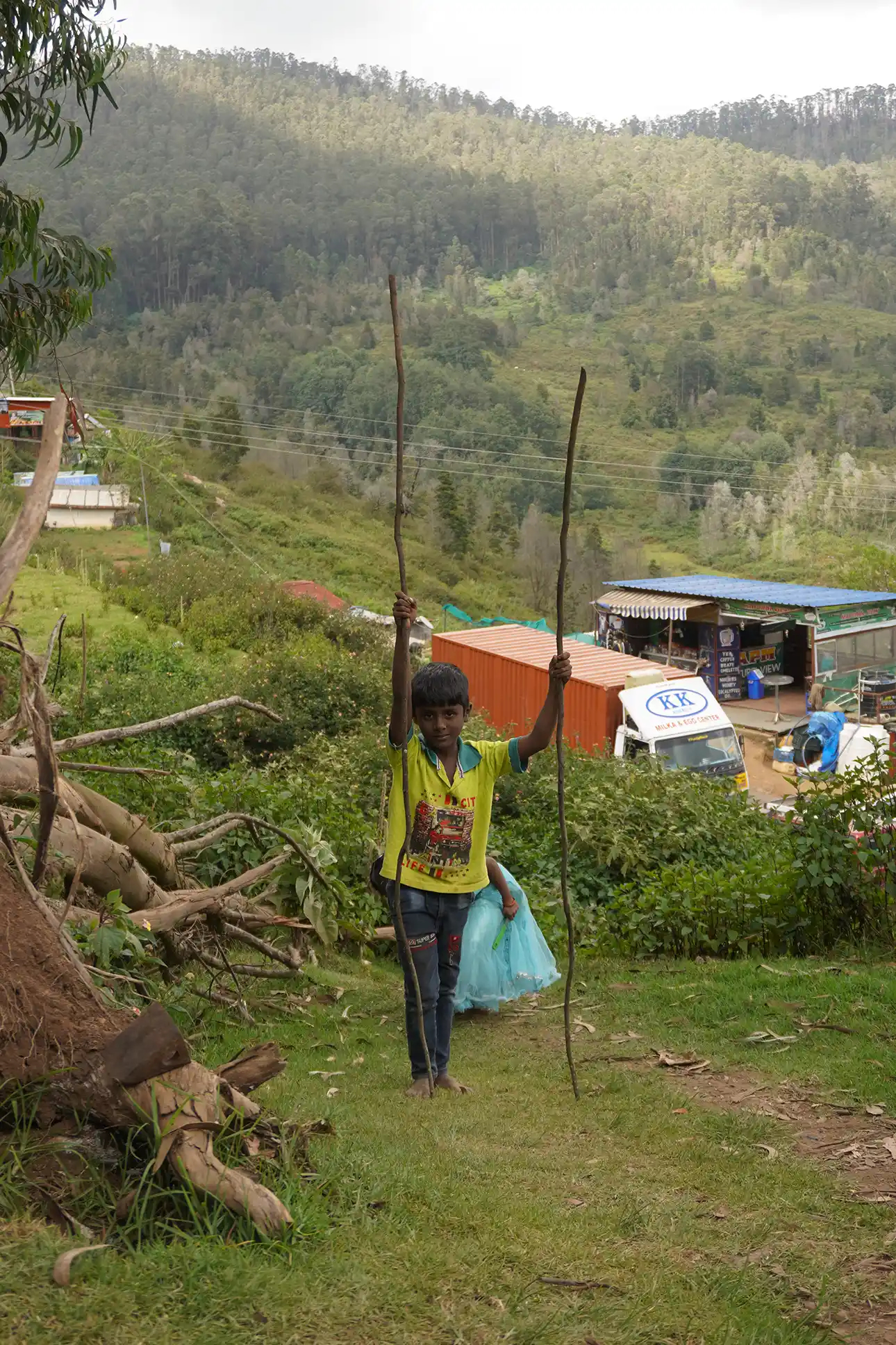
While younger children spend their days outside, the older ones help their parents — whether it is by clearing tables, serving tea or running errands. Their learning isn’t limited to school textbooks but comes from the quiet choreography of their way of life.
***
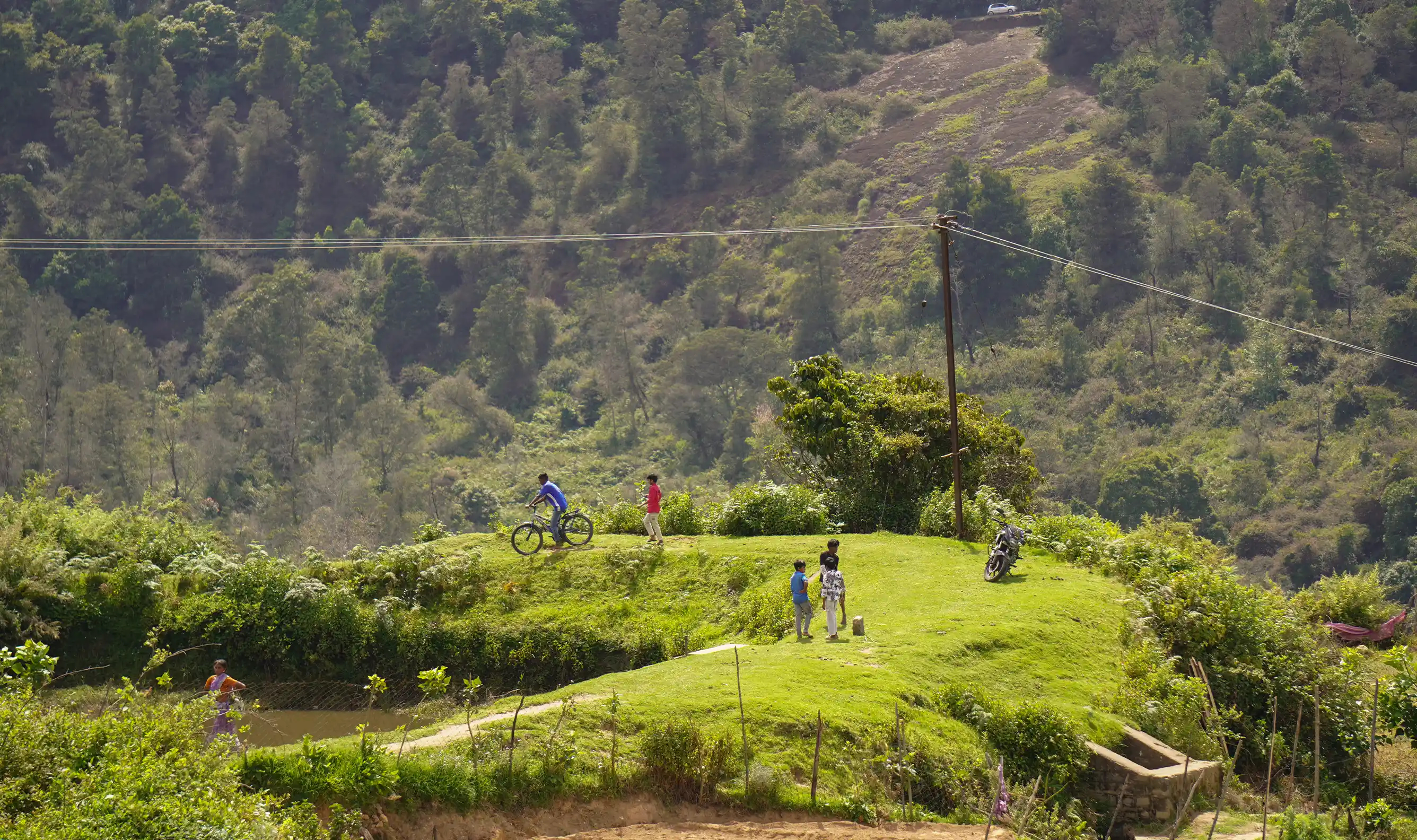
The children seem to be having the most fun. Now that school is on break, they are busy chasing insects and running down slopes. The fields that stretch beyond supervision are their playground.
***
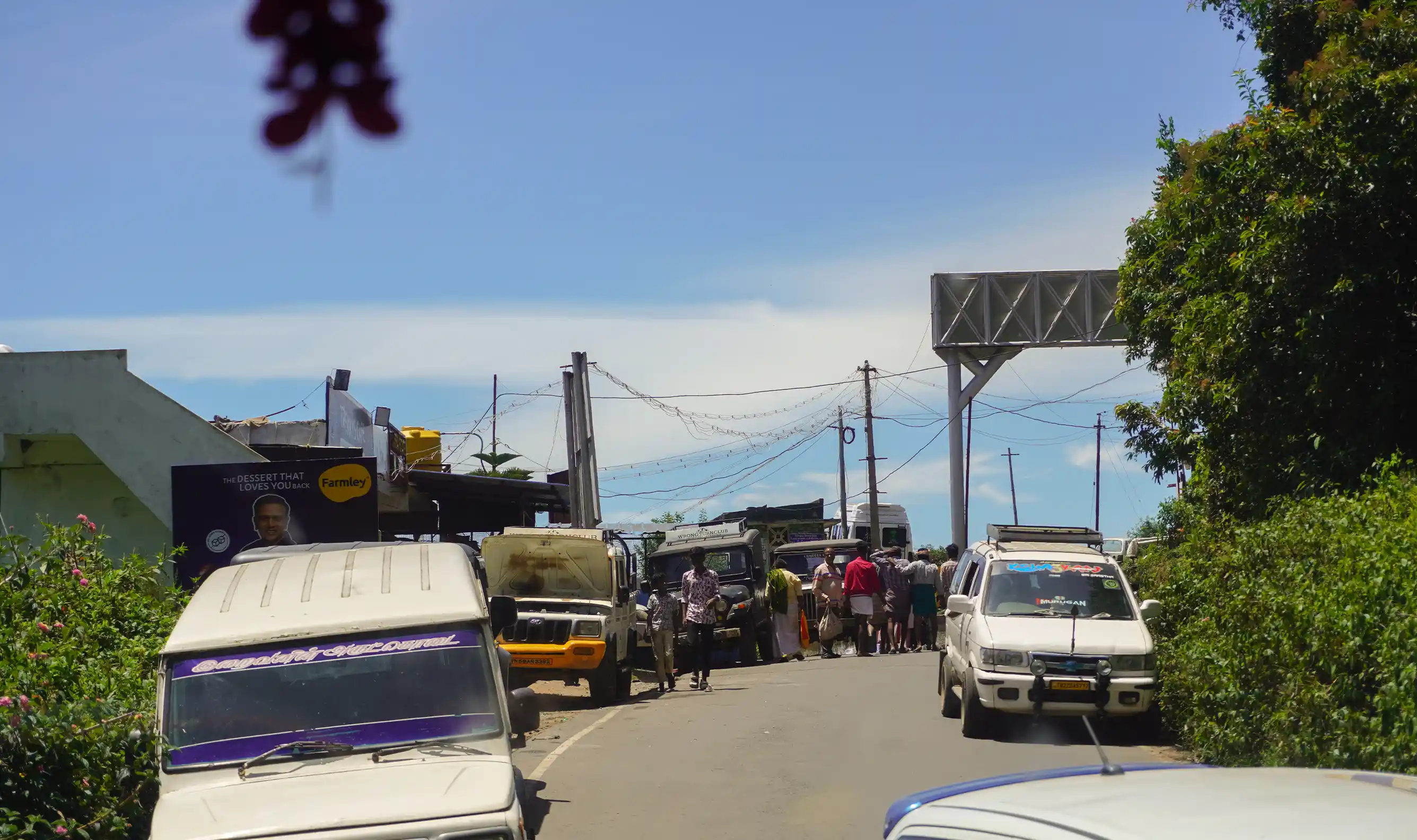
The rhythm of the village has changed, calibrated to the schedules of visitors. During my last visit, the roads fell silent by 7 p.m. But now, I find headlights streaking through the dark and nine to eleven cars passing by every minute; the number rises to around 24 over long weekends.
***
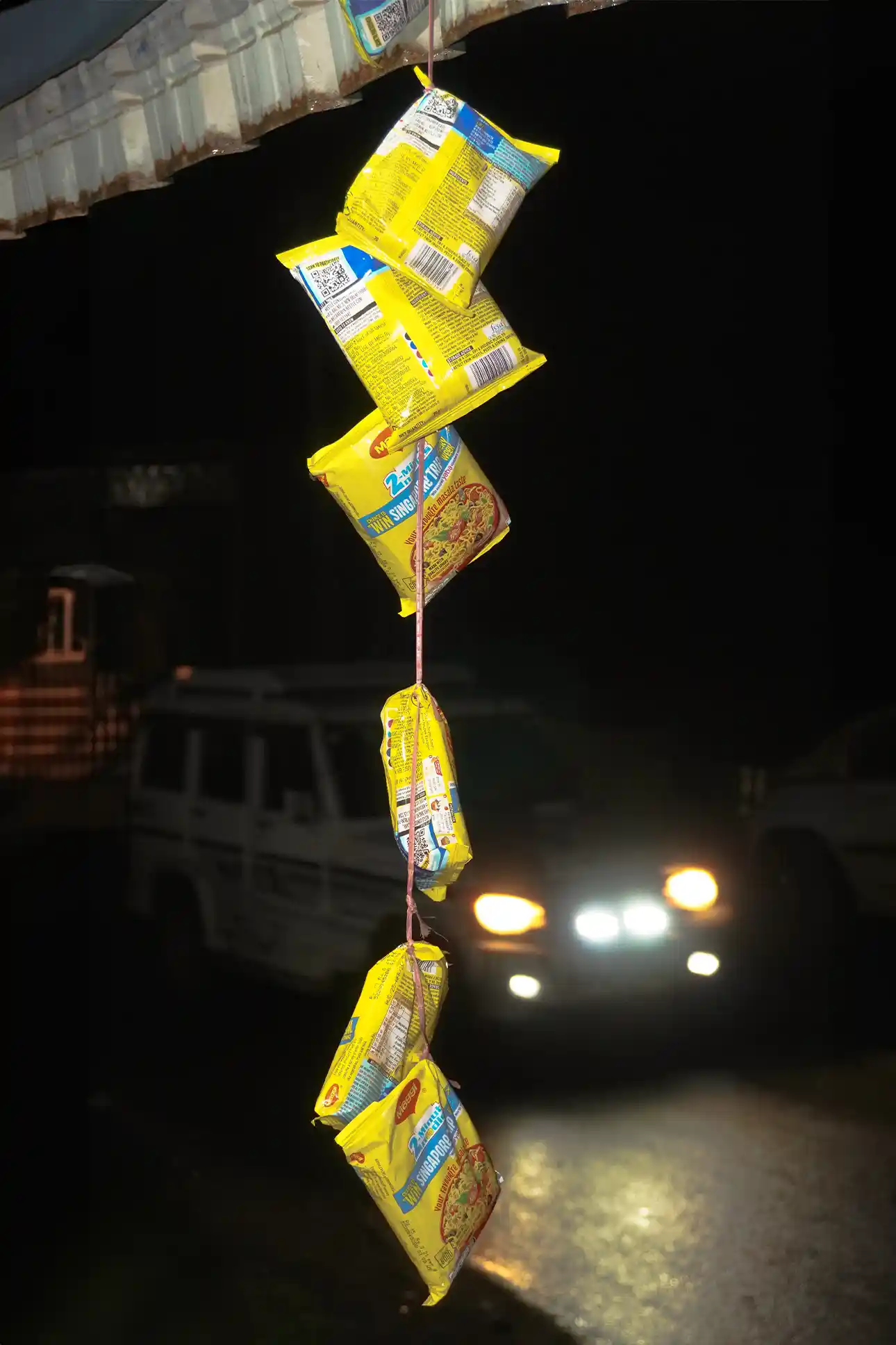
Wherever tourists go, Maggi follows along with a trash trail made up of the yellow wrappers that summon nostalgia. Every stall is stocked with it.
***
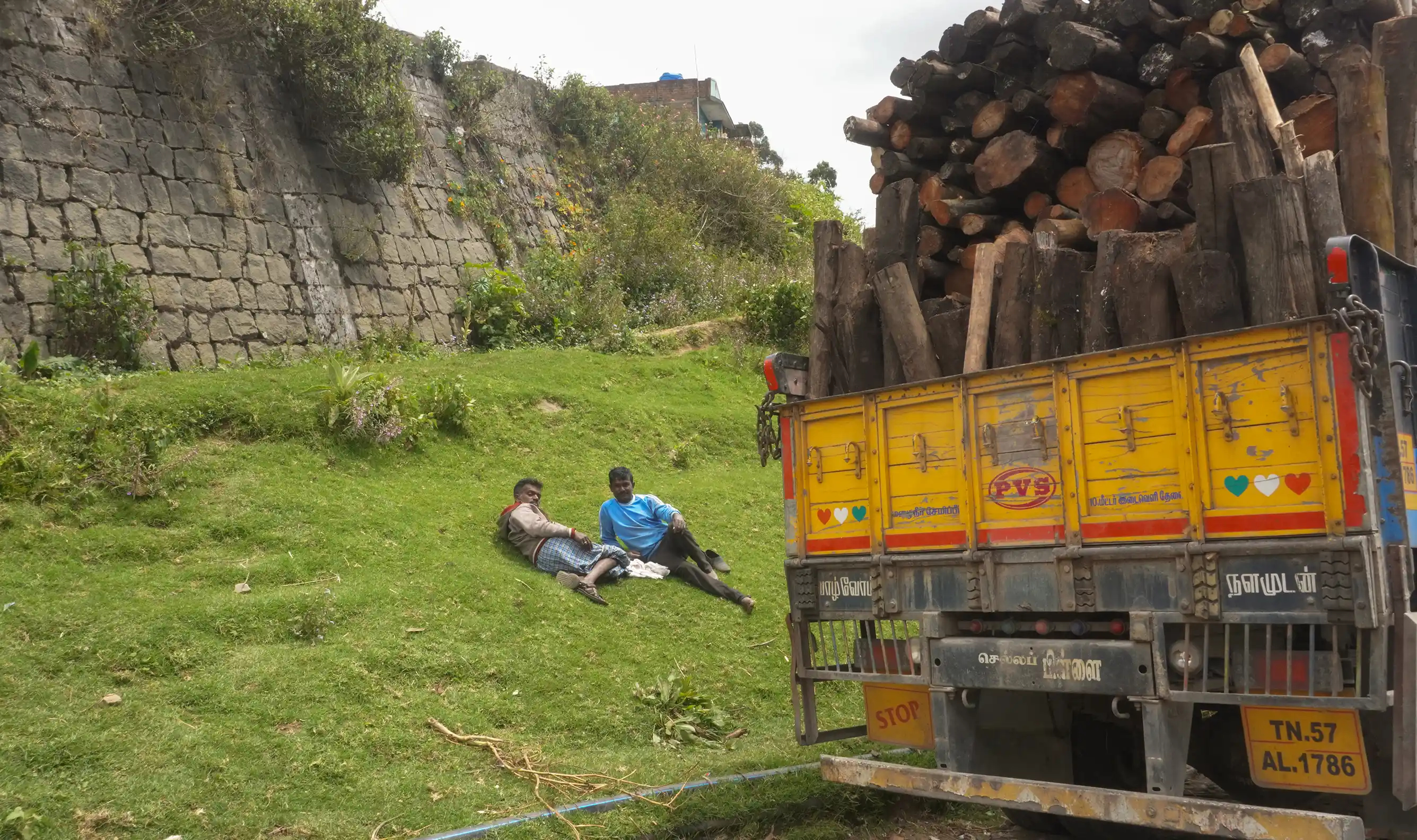
Illegal logging is another threat to this lap of natural abundance. I cross paths with at least one truck stacked high with freshly cut logs on a daily basis.
***
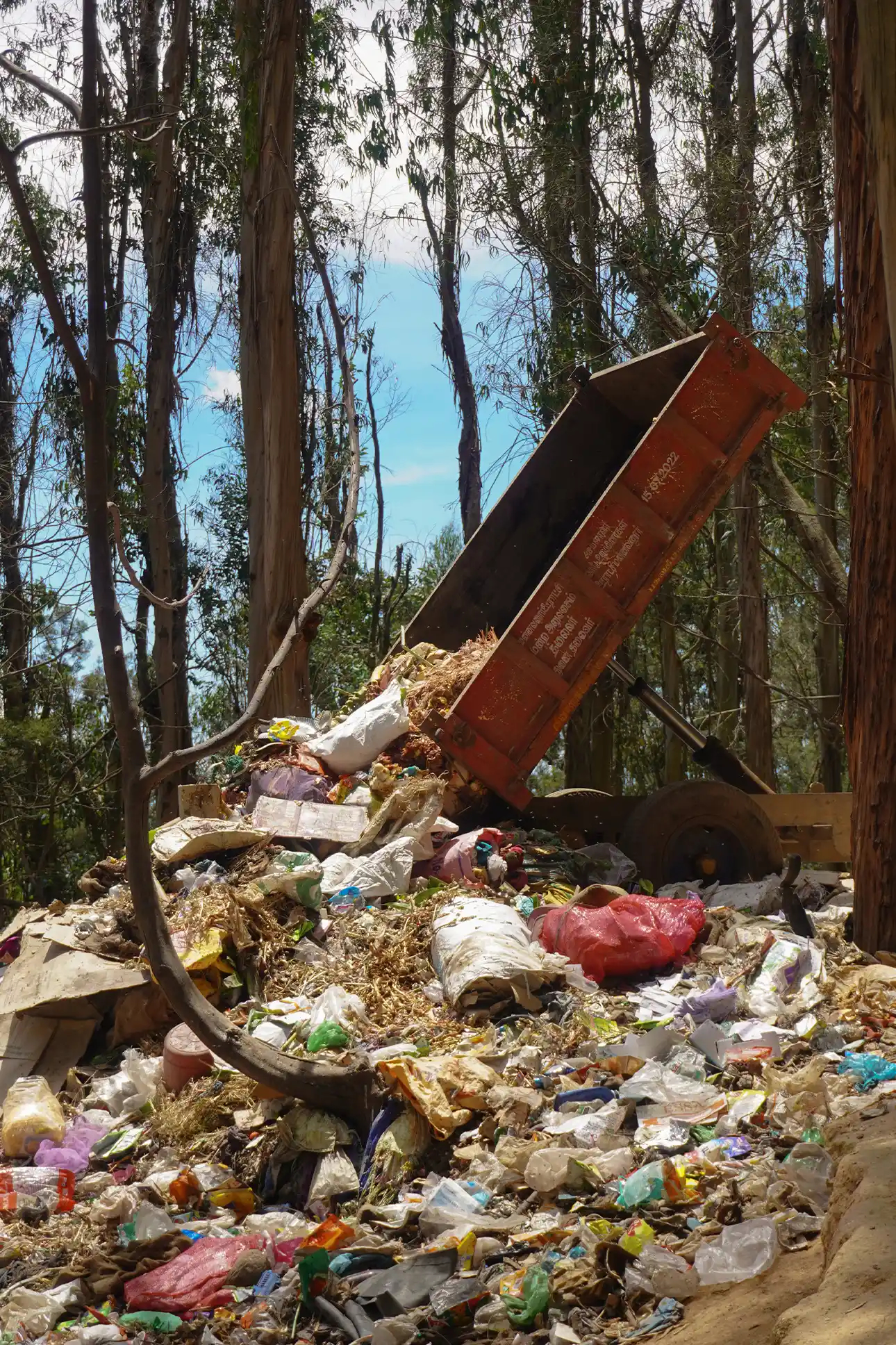
Each day at noon, a truck arrives to collect waste. I follow it and see it unload the garbage deep inside the forest and on top of a heap. Another Ghazipur in the making. Dogs, wild boars and monkeys gather there, greeting the truck’s arrival. It’s feeding time. Humans slip into indifference so easily and nature, ever adaptive, learns to live with it.
***
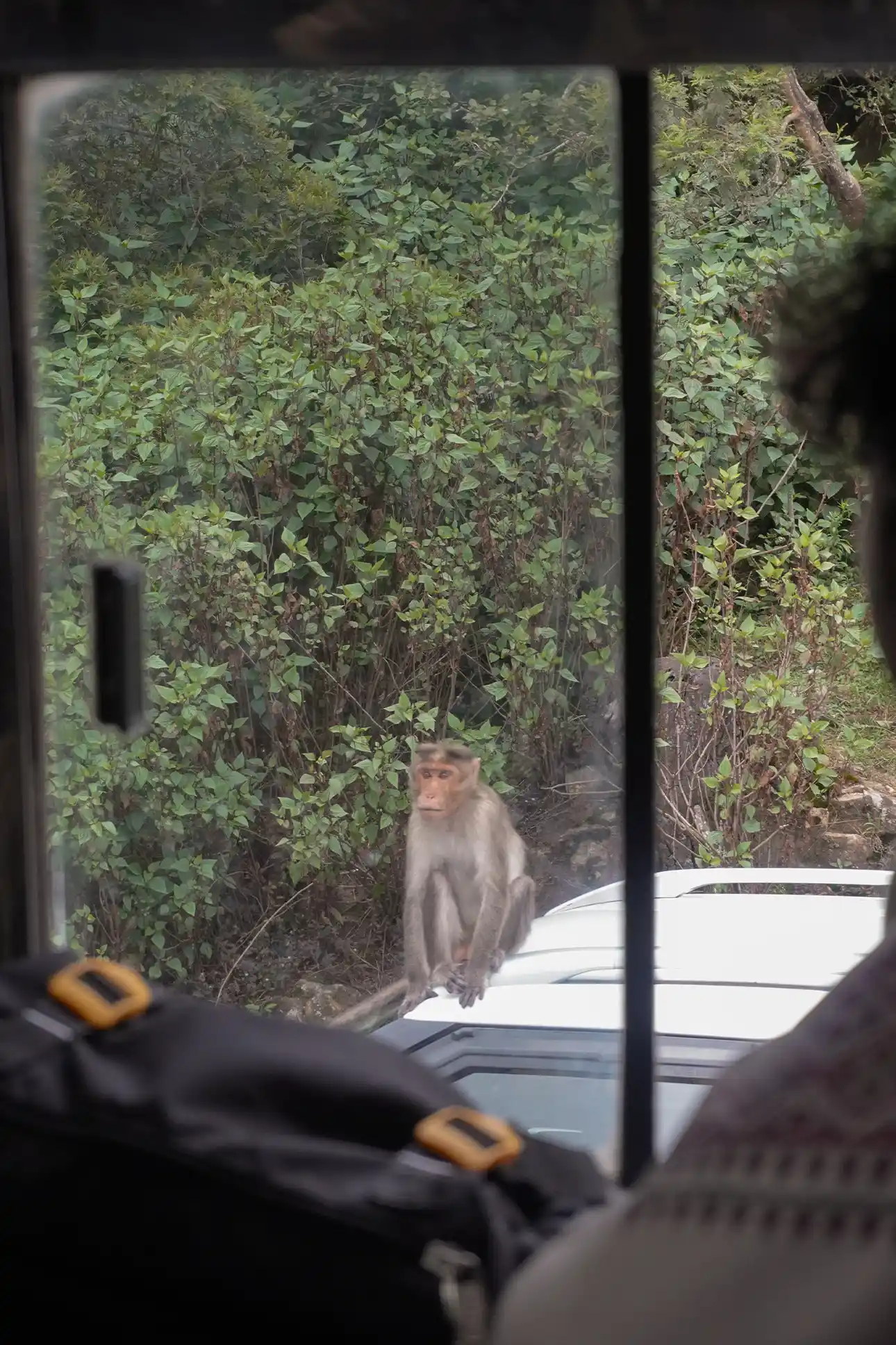
In Mannavanur, monkeys wait for food to be thrown out of the cars and are branded a nuisance. It’s not uncommon to find them being run over by speeding vehicles. So who is the nuisance here?
***
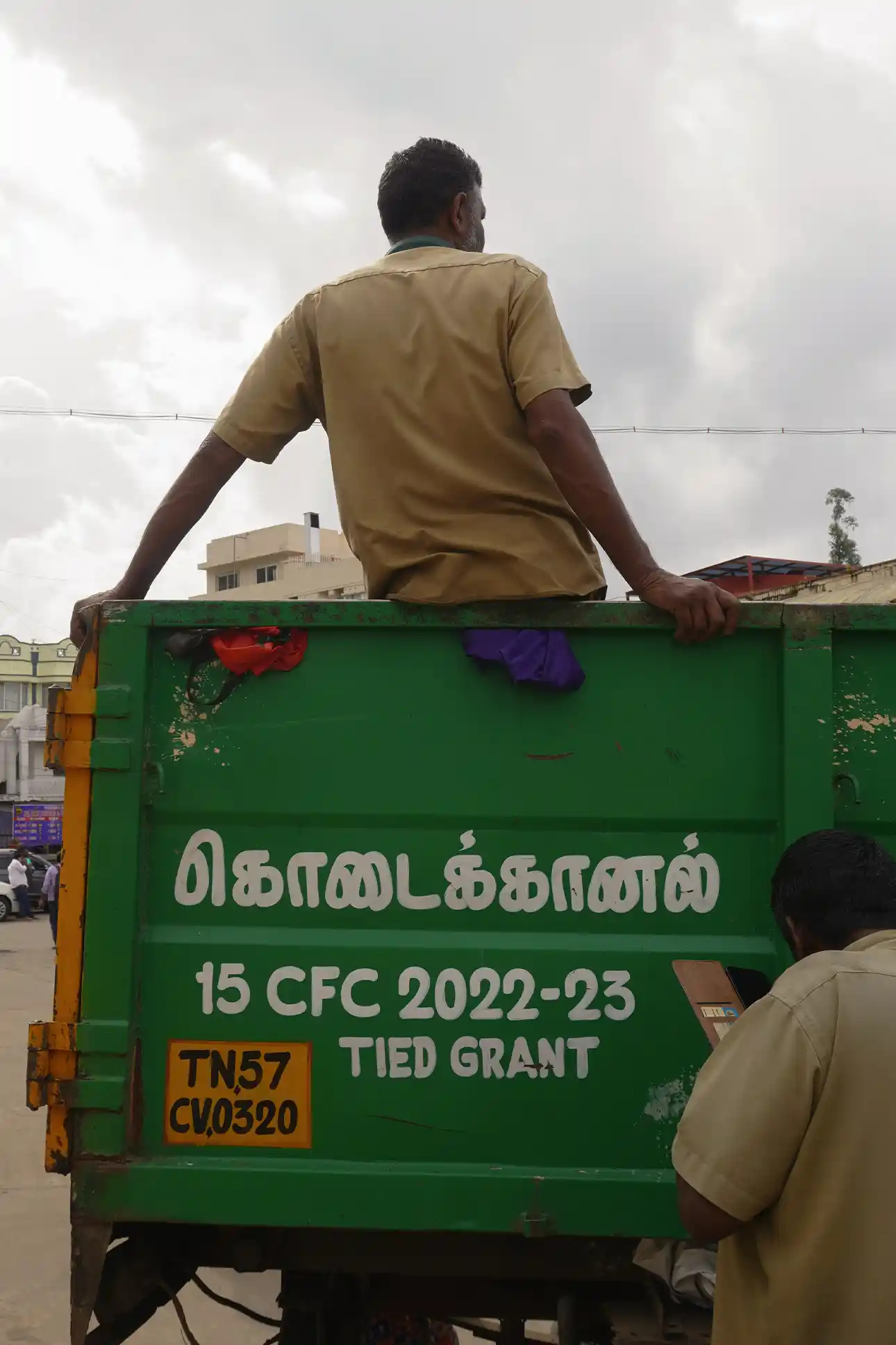
Waste segregation is the smallest of beginnings. If waste is sorted where it’s created, it becomes manageable. Then it would not be dumped in the forest and animals would not scavenge for food in waste. The regulations are only as strong as the people who uphold them. Mannavanur doesn’t need more “progress”, it needs accountability and values that support the balance between livelihoods and landscape.
***
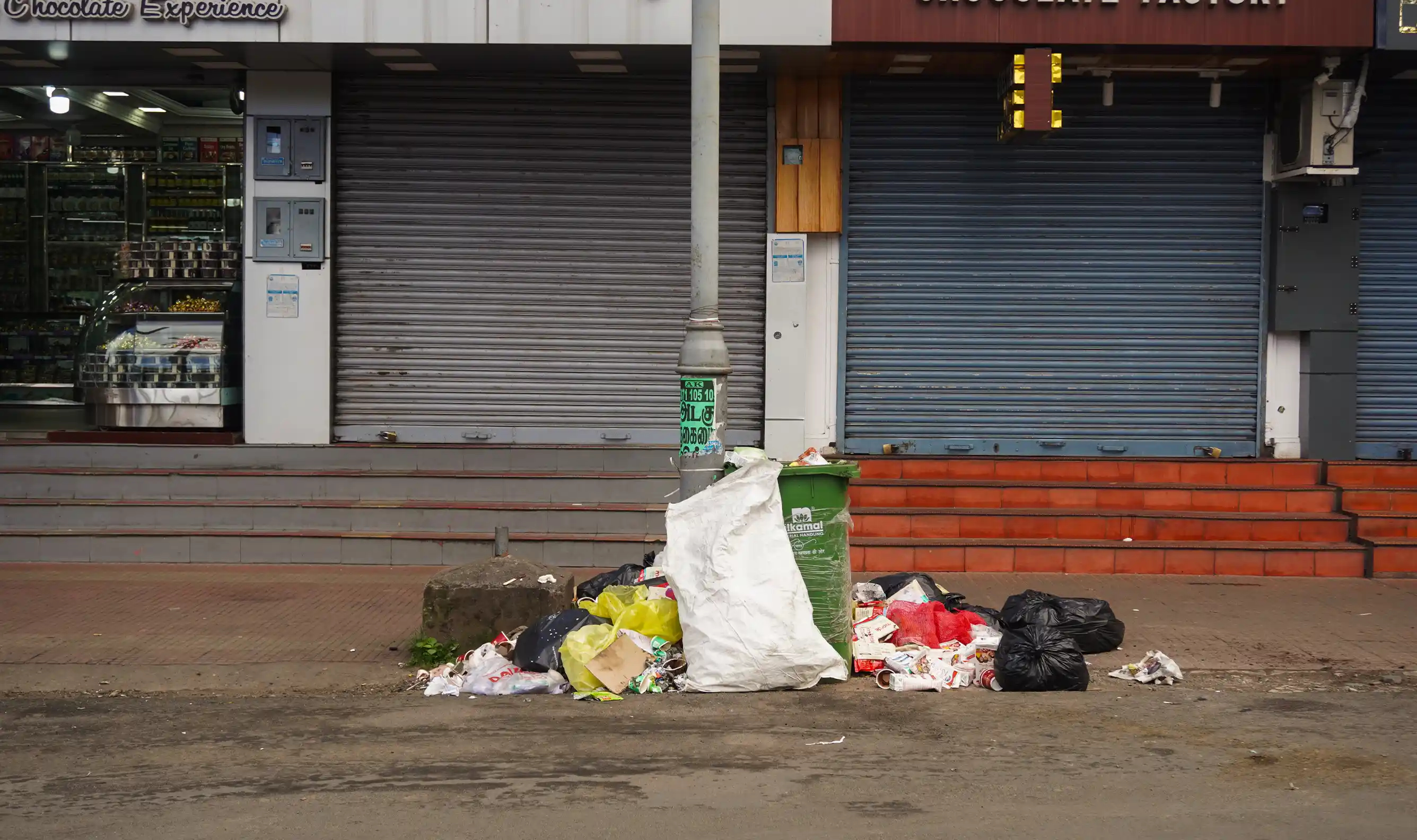

A provision where every voice, human or non-human, is considered in planning and policy making must be at the heart of ecotourism. Spaces like Mannavanur can no longer afford to be built for consumption; they need to be built for coexistence.
Disclaimers: *The views expressed in this article are purely the personal views of the writer.
**While the experience of visiting Mannavanur is largely positive, solo women travellers should be aware that their safety could be a concern.
***The magazine does not promote the consumption of beer/alcohol.
_________________________________________________________________________________________________________
The writer is an associate manager at Bengaluru-based Saahas Zero Waste, an organisation that works with waste management. She’s currently engaged with Project Sarvam, an IKEA-sponsored initiative that aims to build an end-to-end system to manage waste.