‘The Mothership’
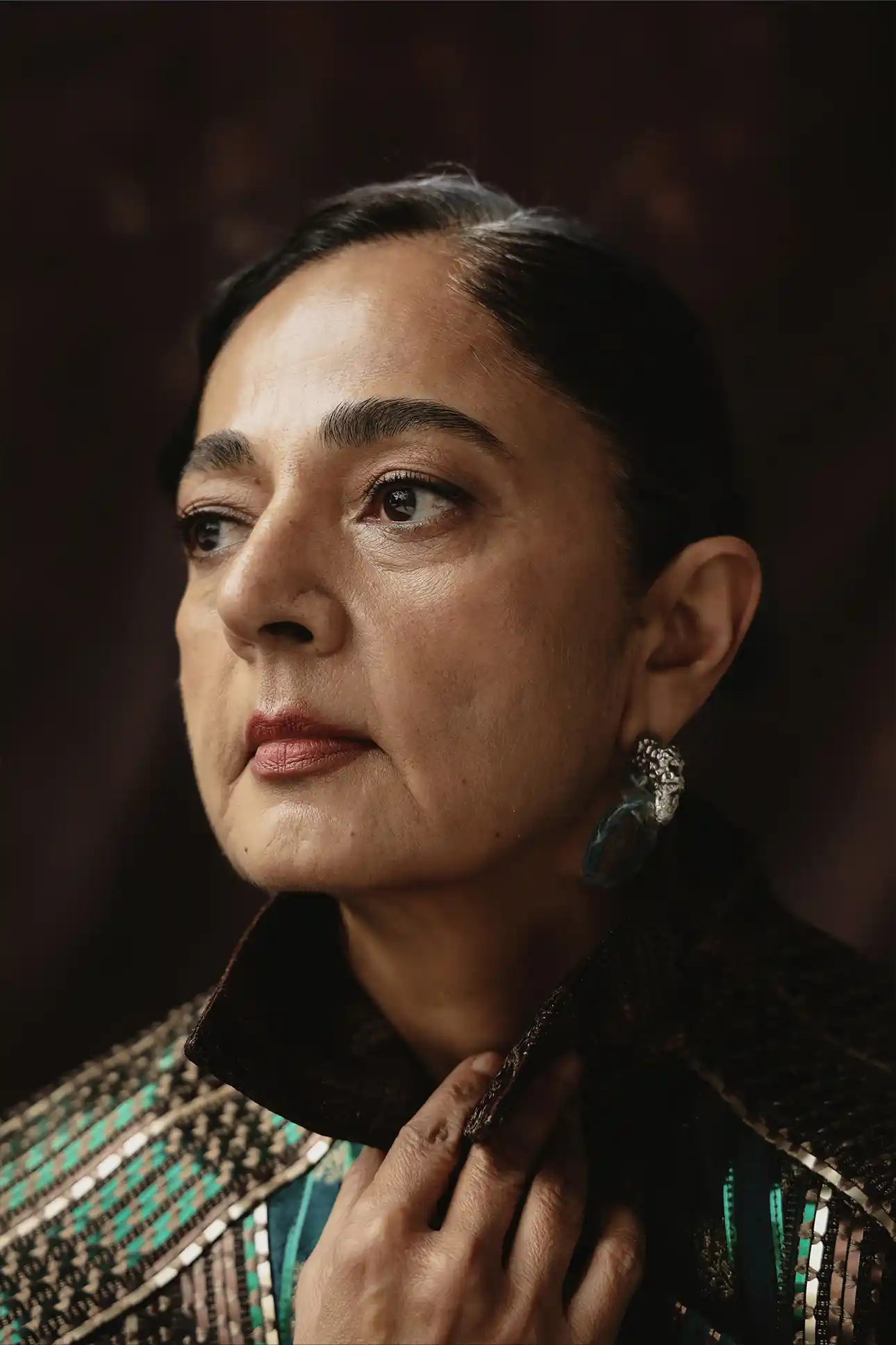
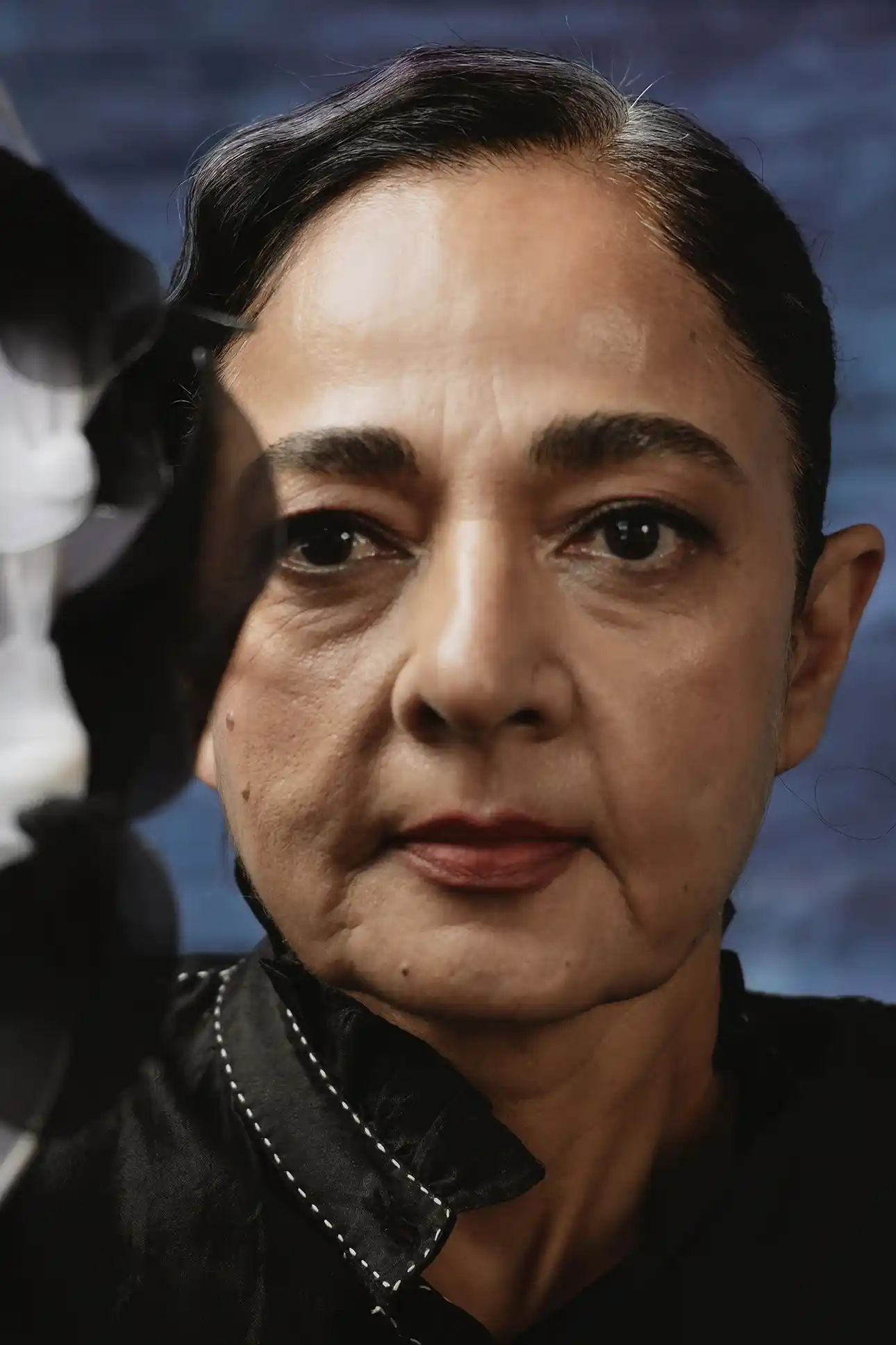
Working largely incognito, she has been a mentor to designers — young and experienced — for over 25 years, and every one of the 22 industry insiders we connected with professed to have benefitted from her discerning eye. The Yoda-like guide has largely skirted controversy, hovering between aloofness and approachability. Verve styles the rarely photographed Sabina Chopra in an exclusive photo shoot — and learns about her journey and desire to initiate new discussions in the industry….
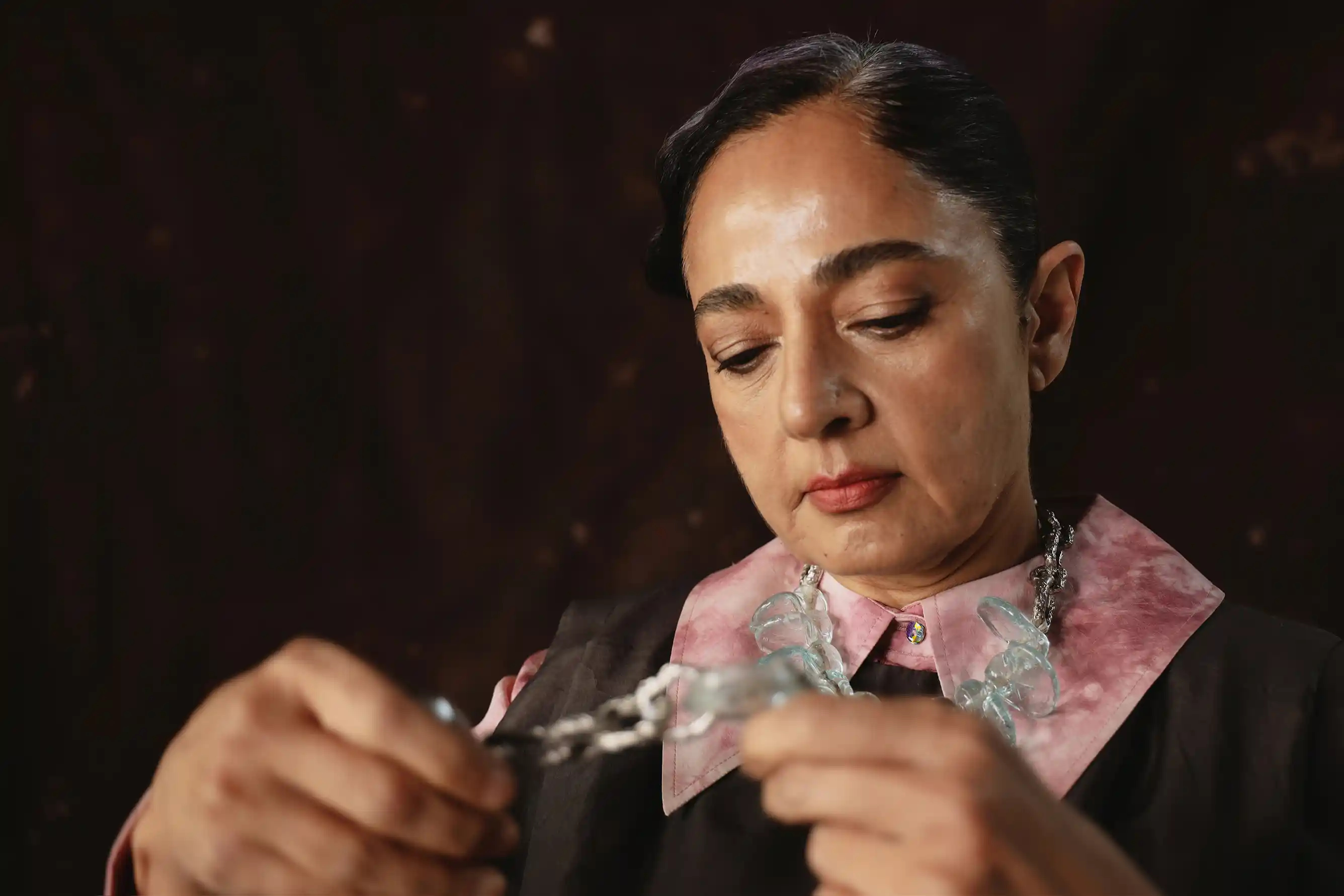
As the curtains fall on 25 years of fashion weeks in the country, a peek behind them reveals one constant in an industry that’s seen legendary designers come and go in shorter timelines. Sabina Chopra remains a rudder, guide and mentor, especially for Lakmé Fashion Week’s (LFW) GenNext category, and is on almost every designer’s speed dial for when they need advice, information — or just a sympathetic ear.
At one time, she was known as “Mrs Lakmé”, a moniker she quickly shed. In her role as a mentor, she has no official designation, nor is it fully clear how she steers designers, both those who pay for her time and those who don’t. What’s clear is that Chopra’s mind is immensely valued by the industry.
The Rise
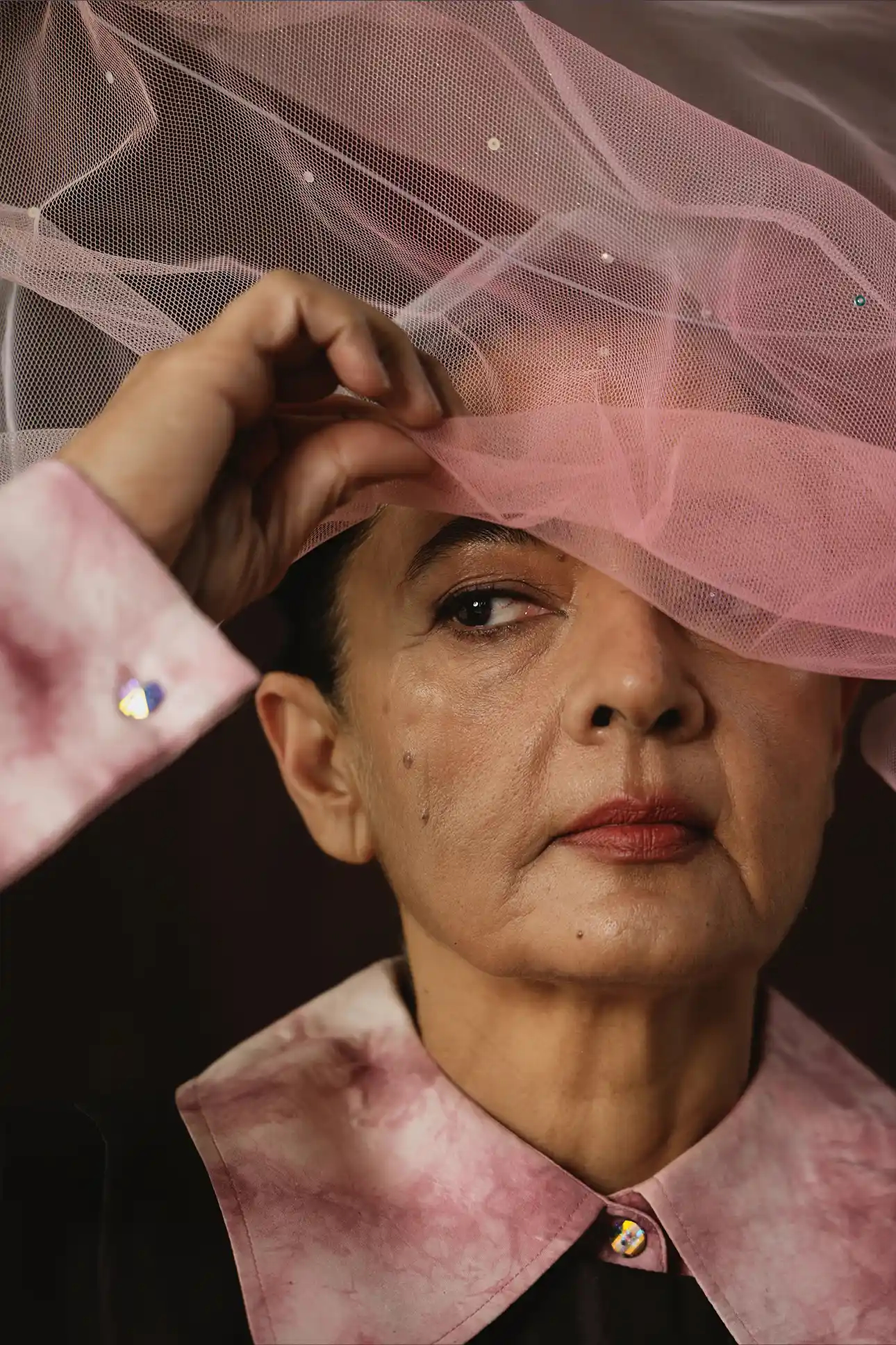
Chopra hovers between approachability and aloofness, a no-nonsense manner and quirk. It’s tempting to see her as a Yoda-like figure in the Indian fashion industry. Indeed her calm demeanour veils a decades-long struggle to shape the Indian fashion space which, compared to the West, is still young.
Almost every one of the 22 designers and industry insiders we connected with felt that they had profited from her keen eye. Kolkata-based Kiran Uttam Ghosh, who met Chopra in the earliest years of fashion week, says that she has walked away feeling enriched each time they’ve met. “You spend the first 10 minutes just admiring how effortlessly she’s put herself together. She’s always impeccably dressed. And not once have I felt like it was just a casual chat. I think god just sent her down to spread some fashion sense among all of us doing lehnga-cholis; she always leaves you with a thought, an insight or a spark,” she says.
From mentoring Lakmé Fashion Week’s GenNext designers for almost two decades to streamlining operations for fashion maestros like Tarun Tahiliani and Amit Aggarwal, Chopra has crafted a unique situation for herself without worrying too much about anyone’s opinions, or even their ability to understand her work. “Whatever I do, I do because the designer and their vision has caught my interest,” she says. “That I don’t have to work for money helps, of course. But in reality, I don’t know how else to approach my role.”
The Beginning
She came to fashion through her husband, Anil Chopra, former CEO of Lakmé Lever, the man who invested in the then-yearly fashion showcase known as Lakmé India Fashion Week. Lakmé remains the title sponsor a quarter-century later. The year 2025 was, in a way, Chopra’s silver jubilee, too. Back in the early 2000s, “I was the good business wife, tagging along with my husband for the shows, but also getting my mind blown,” she recalls. At that time, though, she hadn’t thought of a career in the industry. “I think the only reason I was able to pull off what I did was because of my military upbringing — my father was in the Indian Army — and because I was brought up to chase excellence, not goals.”
Academically oriented and endlessly curious, Chopra quickly established herself as a voice to reckon with. “She’s a pocket rocket,” says Kolkata-based artist and designer Kallol Datta, who has known her since he began showing at LFW in 2008. “She’s very assertive and unapologetic,” he adds. “She doesn’t need to be convinced because she already knows what she thinks about a situation, person or garment, you know? She’s very quick at figuring things out. But she also has a caring side to her, which I think a lot of people may be unable to access.”
The Connections
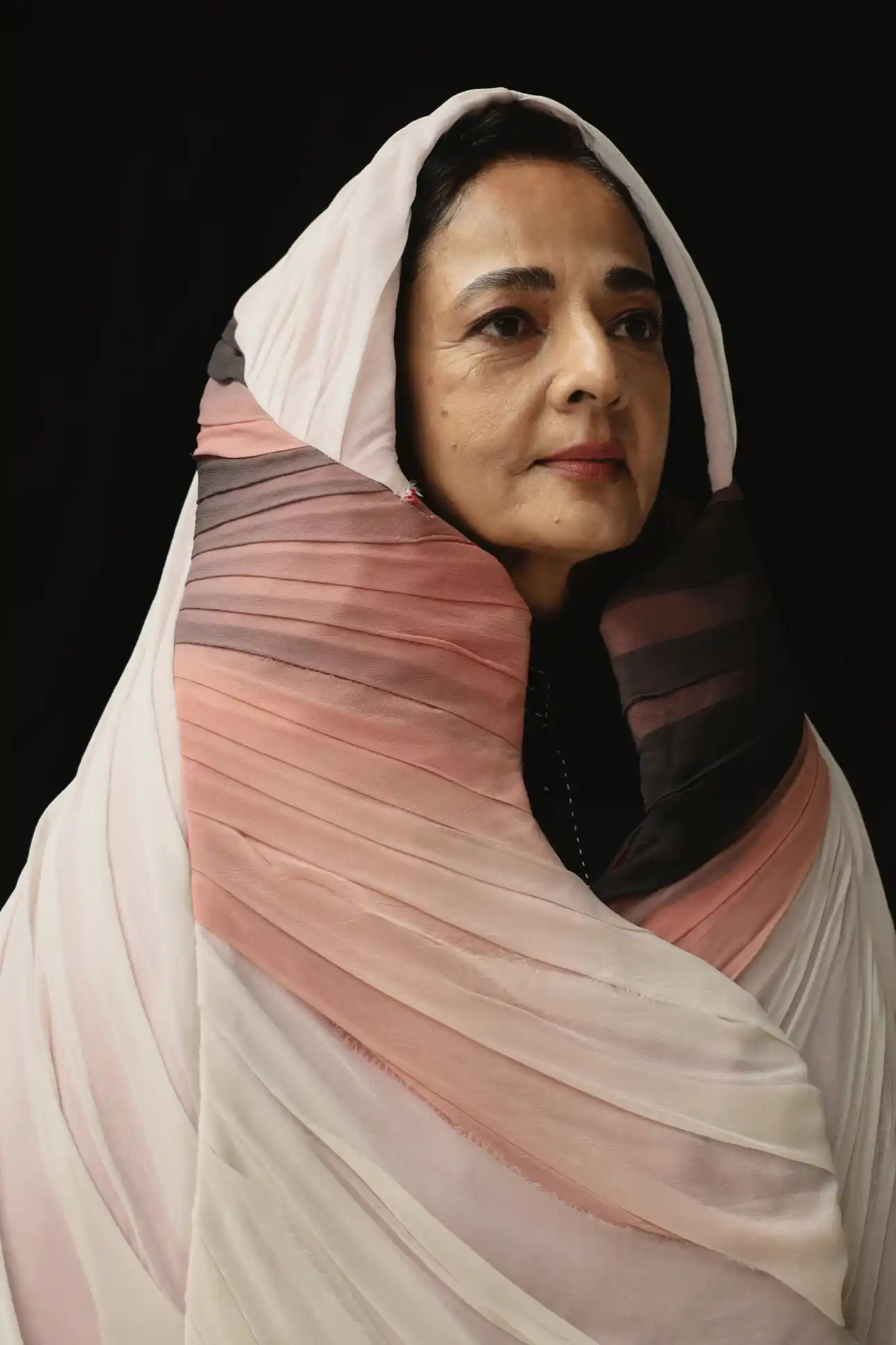
Legions of GenNext designers, whom she fondly calls her “kids”, have felt the warmth of her caring side. Mumbai-based fashion maven Aparna Badlani — formerly of multi-designer fashion store Atosa — who first met Chopra at a GenNext jury in the early 2000s, says that “more than half of the Lakmé GenNext designers call her ‘the mothership’; what else do you need to know?”
They also swear by her discerning eye. “In early 2009, just before I launched Shift, I showed her my samples,” remembers Delhi-based designer Nimish Shah, known for his sustainable, textile-forward approach to design. “Her feedback was very strong, clear and precise. She told me about how to manage expectations and what the next steps should be.”
“She has contributed so much to so many careers,” says Delhi-based designer Rahul Mishra, now recognised internationally for his conceptual silhouettes. “So it becomes very difficult to quantify in any real sense. She’s creating a legacy without even caring to be attached to it. So how can anyone list what she has done to help the cause of Indian fashion with any precision, let alone individual designers? You’ll need a biography.”
Chopra, who also worked closely with Sabyasachi Mukherjee for a few years in the late 2000s, enjoys being involved in the early stages of a designer’s career. “The idea for GenNext is very important because it gives young designers not only a chance to show their work but also interact with industry insiders and gain the kind of knowledge that they’ll need to grow their businesses.”
Though she didn’t launch the initiative, she got involved with GenNext quickly. Beginning in 2006, it would soon become a “Sabina property”; she introduced masterclasses for young designers, covering everything from show styling and managing buyer meetings to wooing stylists and finding suppliers and service providers, thereby setting them up for future success. Almora-based designer Shweta Gupta, who comes from the 2018 GenNext crop, says, “She encourages you to act on ideas you’re unsure of.”
The Approach
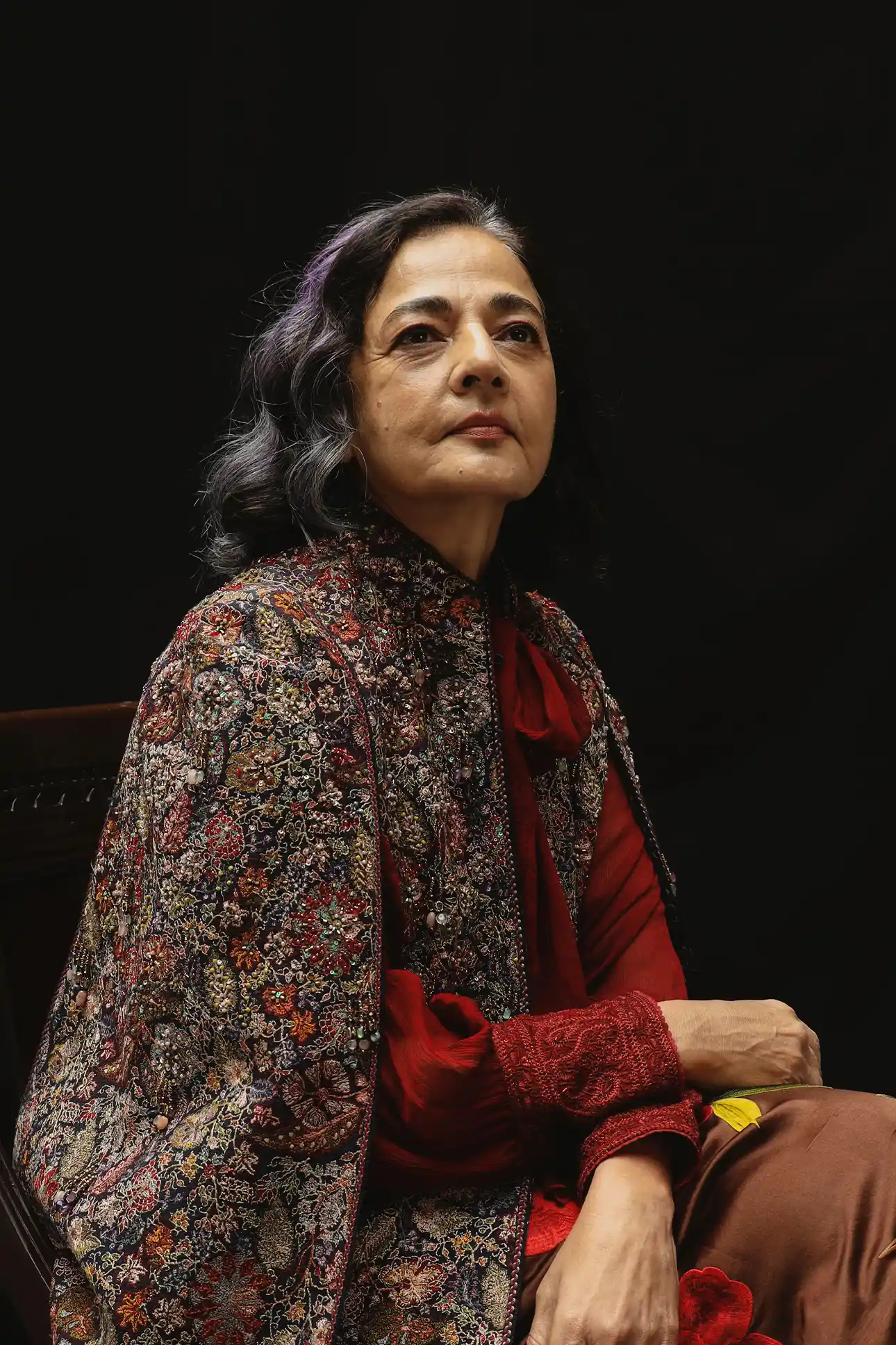
Chopra practises detachment, saying her piece and leaving designers to make their own decisions. “Of course, there were times I’d get frustrated with someone whom I’d see wasting potential on designs and categories that I knew they couldn’t grow,” she says. “It was only with time that I realised that my role is that of an advisor and friend and that unless asked, I cannot suggest too many pivotal changes.” Yet her advice is taken very seriously. Last year, she encouraged the young Delhi-based designer Somya Lochan — of the label Quarter — to debut its womenswear looks in the 2025 GenNext show and pivot from menswear to womenswear for that first presentation on the ramp. “And when Sabina tells us to do womenswear, we do womenswear,” says Lochan, laughing at the memory.
And it’s not just about the young ones. Aggarwal brought Chopra in when he began revitalising his 11-year-old ready-to-wear label AM.IT, to increase his retail footprint. Chopra was also a port of call for Tahiliani, one of the country’s most established couturiers. Almost two years ago, she started having conversations with Tahiliani about his longstanding dream of a more accessible label named OTT which was launched at the end of 2024. “I had to wait almost 30 years to do OTT, to have the back-end sorted so it could be produced in the required numbers,” he says. “And I consciously chose to work with Sabina — not to change me as a designer — but to help me merchandise. Because while I may be known for lehngas, my real love is the jewel-studded T-shirt, the sarong and the dhoti. And Sabina understands that and can harness it; she can make it work for retail,” he adds. “She can clarify the message in a way that appeals to clients and shoppers.”
The Plans
Now, Chopra is attempting to appeal to a broader base and also trying to initiate new discussions pertaining to design. “We still haven’t developed a culture of paying for design,” she reveals. She mimics pulling a hanger from a rack: “Here is a beautiful, silk-organza shirt with laddering details and a beautiful print, and it will come at a price. Do you think anybody’s going to pay for it?” she asks. “They’re going to say, ‘It’s just a printed shirt.’ They won’t consider everything that went into ‘designing’ and bringing it to the rack for them to discover,” she adds. “So while Indian shoppers are willing to pay for textiles and embellishments, they’re still not willing to pay for design.”
So what does the future of an industry still unsure of how to market Design, with a capital D, look like? “I think the customer is changing. India is a very big country; there’s a huge population with disposable income that expresses itself through what they wear. They may not buy a hundred things, but they put thought into that one embellished bomber jacket,” she says. “Earlier, the person making that didn’t exist, but they do today,” she says. “But there’s just nowhere to sell. And there’s nowhere the seller and buyer meet except in a fashion store. But which fashion store? We mostly only have bridal stores.”
And that explains, in large part, her push towards getting designers to look at ready-to-wear in a newer, Indian context where wearing an Indian designer isn’t shorthand for dressing up like an erstwhile royal. Chopra says she’d like “more investments to come in for smaller or mid-level brands; investments in points of sale, and in newer niche stores that bring different perspectives to people, and help bridge the designer-customer gap”.
The Person
The people she works with know Chopra as a sharp, straightforward individual. On the other hand, her friends are privy to a different side to her personality. Badlani, who recently made plans to snorkel with Chopra off Sharm el-Sheikh in Egypt, says, “She’s a great sportswoman; that’s not something most people know about her. And she’s hilarious when she’s among friends and people she’s close to.” She’s also someone who listens more than she speaks. As Delhi-based designer Amit Hansraj of Inca puts it: “She can listen endlessly, and respond in just a few words and completely shift your perspective.”
In June, 2017, Chopra was diagnosed with neuroendocrine carcinoma of the lung. “One of the rare ones,” she says. That period of time remains, as Chopra puts it, a time of study. Of people and how they react to news as momentous as this. And what going through the ordeal meant for her.
“Back in 2017, I remember shooting an editorial with her after her first round of chemo,” says Delhi-based stylist Daniel Franklin. “She had a bandage on one arm but was calm and composed through it all. It is one of the most beautiful images I’ve ever shot,” he adds. “She’s always moving, always doing something. She’s not someone who stays idle for too long.”
And as the first quarter of this century closes, Chopra is making sure she has enough to occupy her mind and her time for the next 25 years — shaping careers, identities and the industry she fell in love with all those years ago.
Article updated on January 30, 2026.