The Evolution Of The Bvlgari Serpenti
The reinvention of the icon by the high jeweller ensures that its appeal continues to be relevant through the decades…
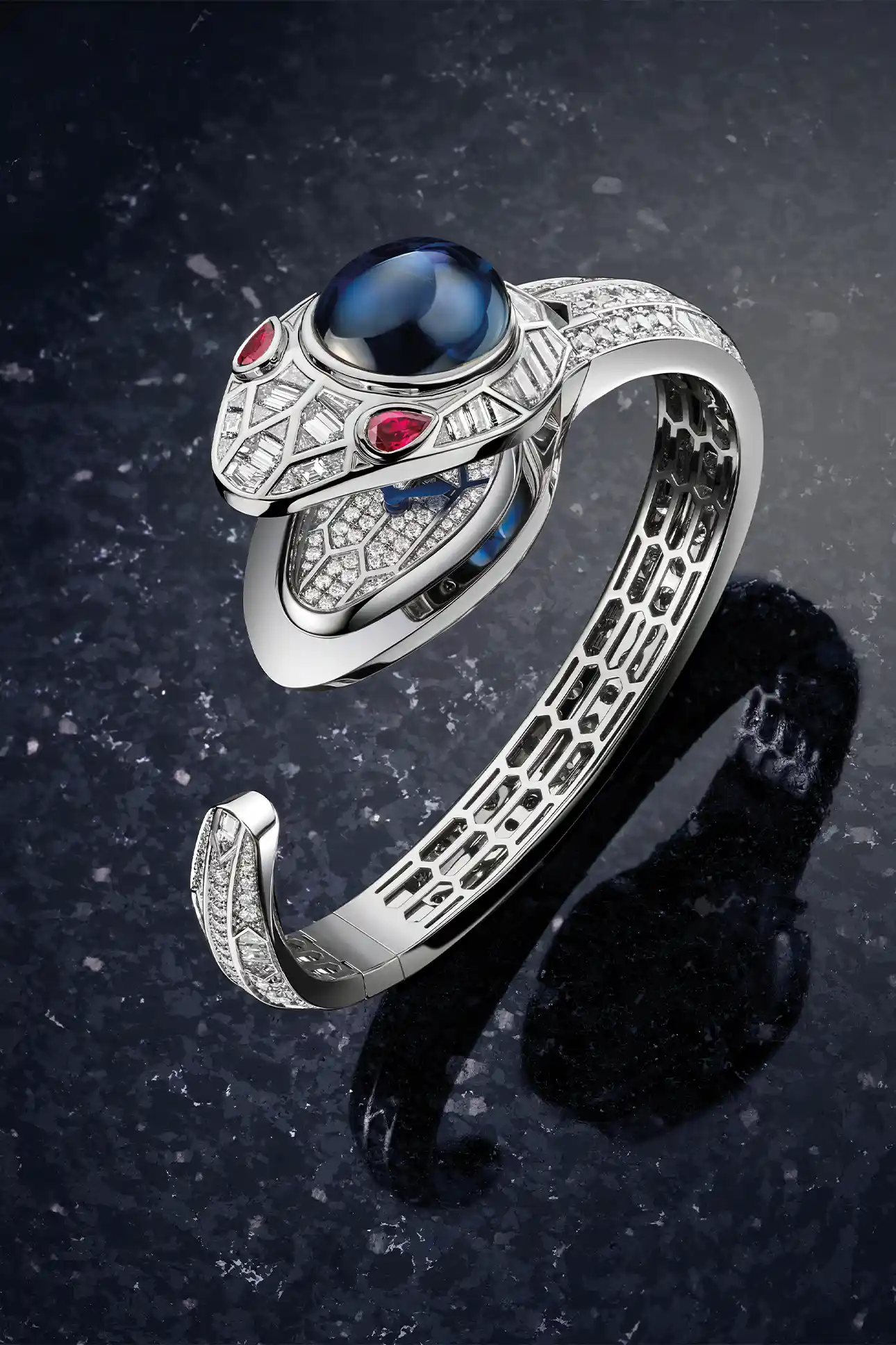
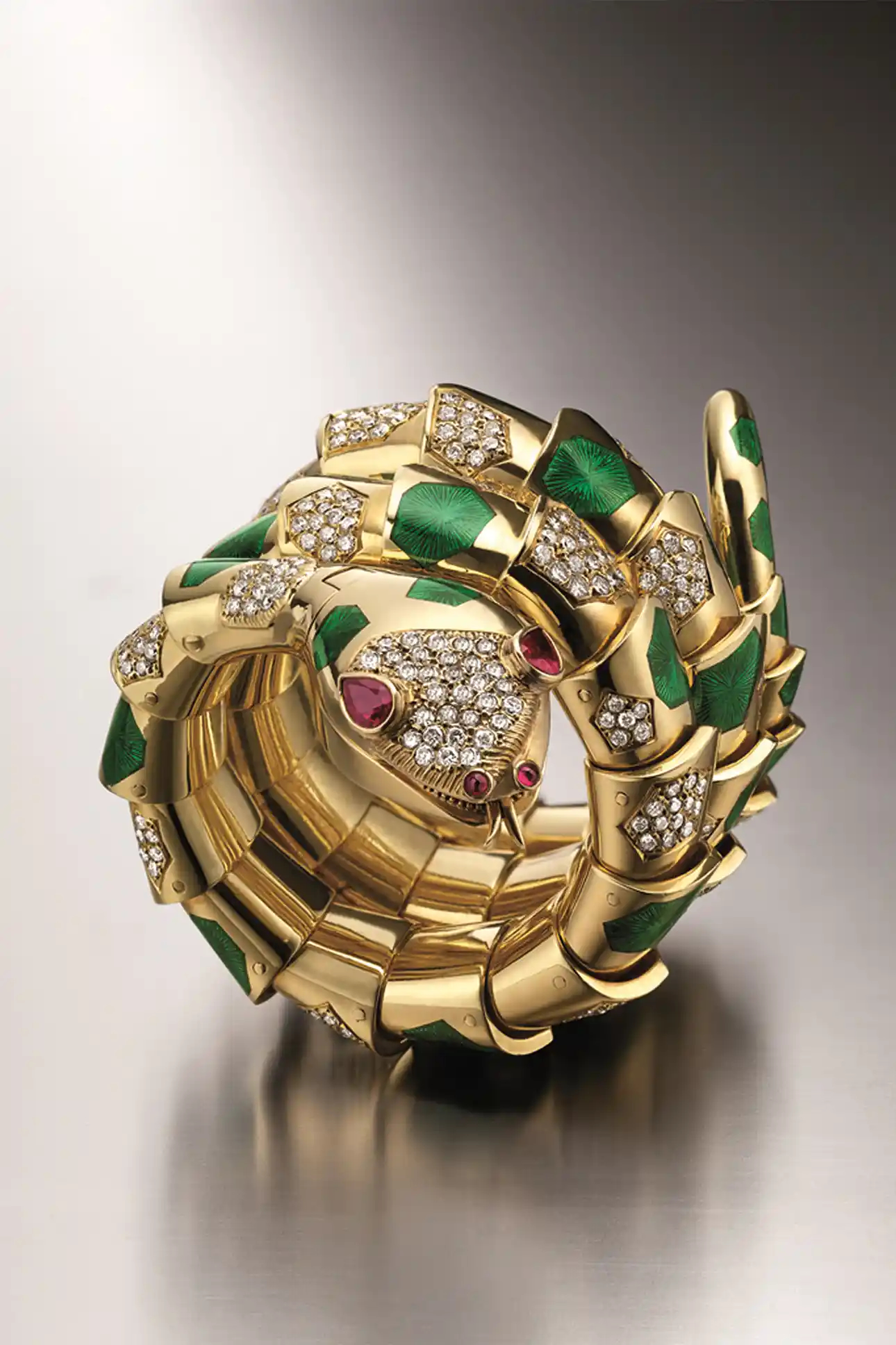
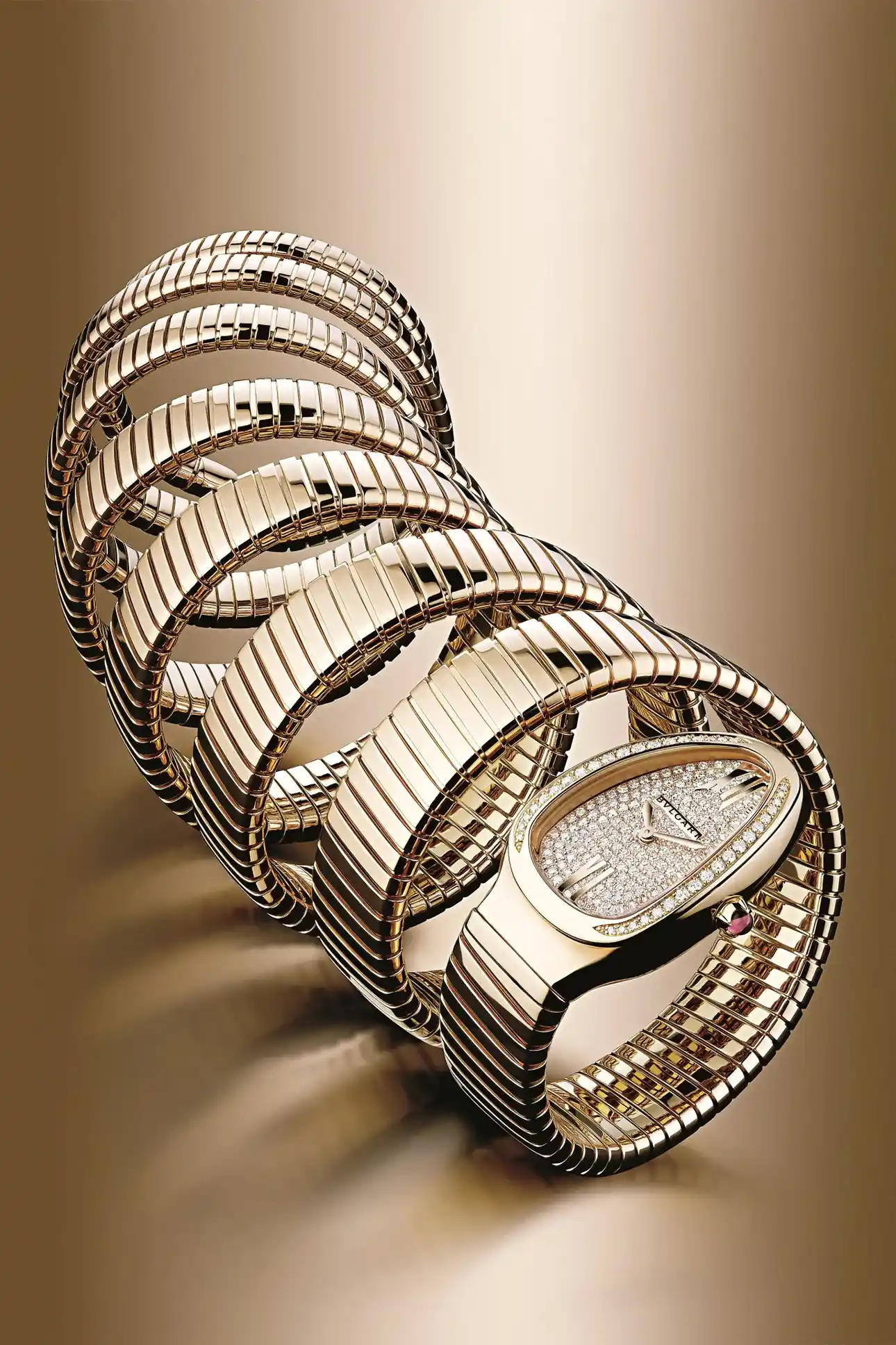
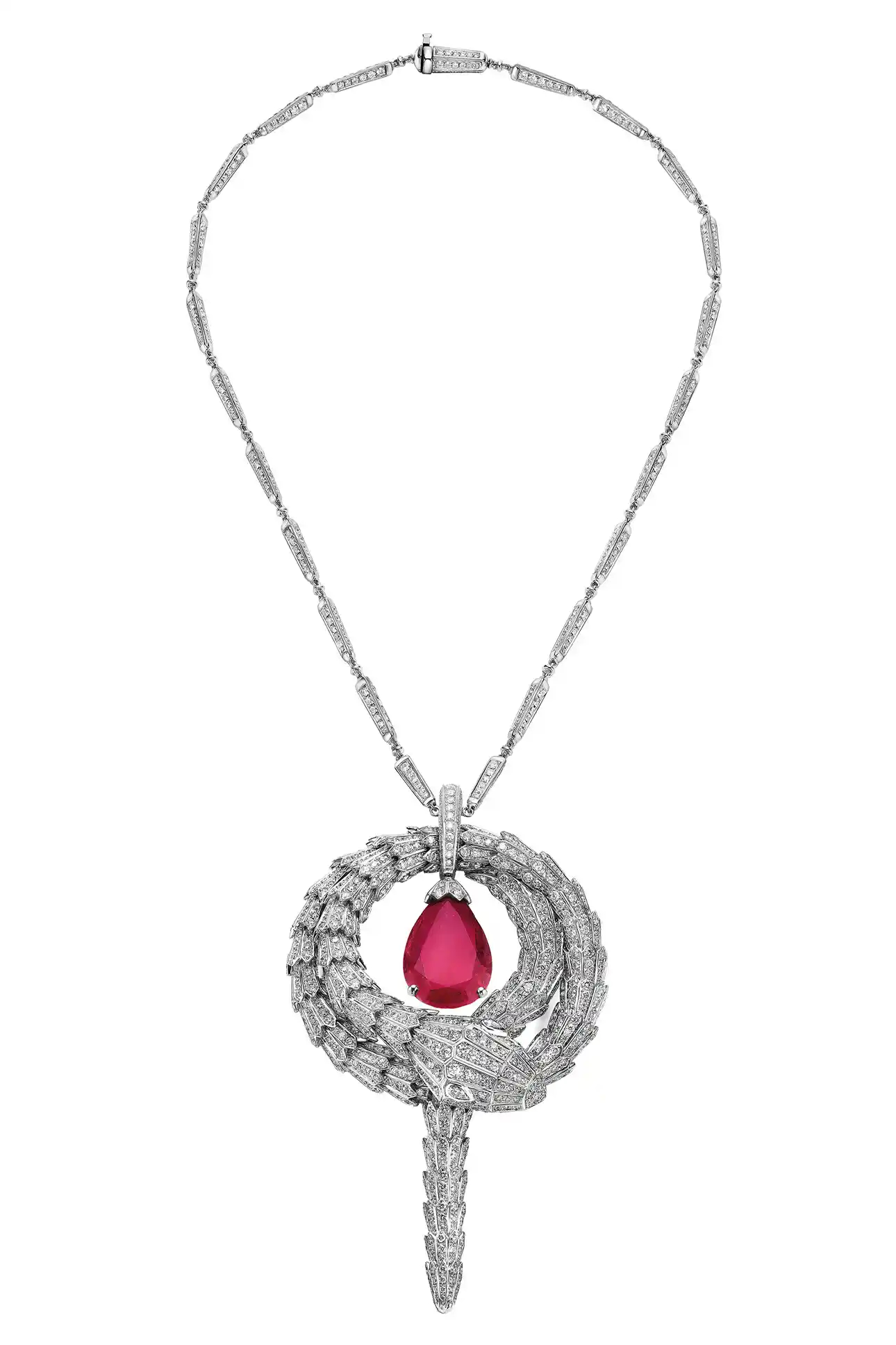
The Serpenti collection saw elite gold and gem-set pieces with round dials, where fork-shaped tongues emerged from the reptile's mouths. The movements for these creations were made by either Jaeger-LeCoultre or Vacheron Constantin, only in later years achieving in-house manufacture status. And, while the widespread coverage of the collection in glossy magazines in the 1960s lent to its luxe appeal, the ’70s brought with it a more casual approach.
In sync with the liberated woman’s desire for jewels that could be worn every day, Bulgari decided to become more approachable to clients by opening boutiques with a series of high-profile launch parties. The first outside Italy was in New York, followed by Geneva, Monte Carlo and Paris. American actor and model Marisa Berenson even attested to just how laidback the serpent could be when she paired it with a simple tank top for a Christian Simonpietri photograph.
Triple-coil models and unique pear-shaped cases followed and post 1978 the watches exclusively featured in-house movements after the inauguration of a manufacturing location in Switzerland. Yellow- and white-gold renditions ruled the 1980s while the ’90s saw square cases on double-coiled bracelets and in 2006, Meryl Streep flaunted a steel version in The Devil Wears Prada. From Sophia Loren, Grace Jones and Bette Midler to Scarlett Johansson, Rita Ora, Kate Winslet and Dita Von Teese, Serpenti very quickly became an inimitable expression of personality for many illustrious and powerful women.
The brand’s 125th anniversary in 2009 gave way to a series of retrospectives, a large chunk of which comprised the famous tubogas timepieces — old and new. A seven-coil version, aptly called Twirl, eventually became Bvlgari’s red-carpet and editorial star.
Impeccable jewels have become a vital part of the collection, especially making an impact in 2013, with the luxury house’s celebration of the Chinese year of the snake. The limited-edition masterpieces featuring pink-gold bodies and rubies echo China’s association of the colour red with joy and good luck. The reinvention and exaltation of the Serpenti may be an ongoing process, but it is undeniable that the awe-inspiring magnum opus is an indispensable part of the Bvlgari woman’s chiffonier.
At the links below read the other features in the series: