Jean Mapping
Denim is a ubiquitous fabric whose history can be traced along the length and breadth of the globe. Interestingly India has played a major role in the evolution of this symbol of American style. In this series Verve speaks to five Indian designers — Shani Himanshu, Diksha Khanna, Chandni Sareen, Kanika Jain and Kriti Tula — who are modernising the fabric with minimal cuts, native drapes and indigenous weaves
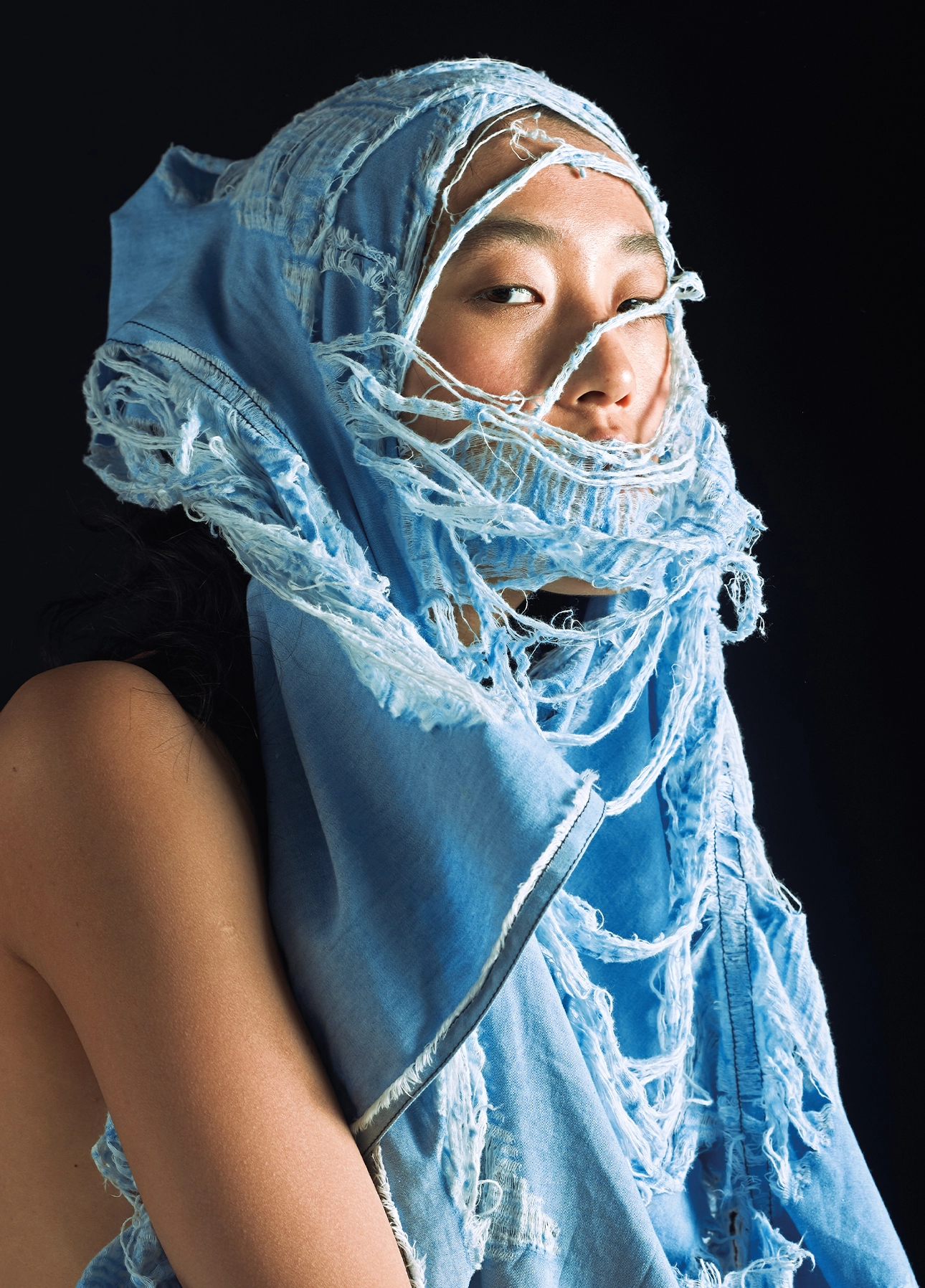
Veni, vidi, vici. Denim first came into the world in the late 1700s; the cotton textile has since conquered the sartorial imagination for over two centuries, fulfilling people’s need for a durable fabric that bridges the gap between classy and grungy. Today, it is a perennial wardrobe basic and is spread over the economic spectrum of affordability and luxury.
The word “denim” is derived from serge de Nîmes, which translates from French to “fabric from Nîmes” (a city in southern France). The exact history of denim, as it moved from the European continent onto American soil, has been lost with time. Though it is commonly believed that the fabric was being used to make coarse work pants in the 16th and 17th centuries, as the weave was both tough and comfortable. In 1873 an American tailor named Jacob W. Davis partnered with Levi Strauss (the founder of Levi Strauss & Co.) to patent the pattern for what would evolve into present-day jeans. Starting out as sturdy work-wear trousers, initially designed by Davis for miners in America during the Gold Rush, jeans gained wider acceptance with workers, cowboys and even US army men and marines who made them popular overseas. The garment went through various modifications — compositional and cultural — eventually becoming a fashion staple for both men and women.
Cut to the 1950s and wearing denim was seen as a sign of rebellion by teenagers thanks to youth style icons such as James Dean, Marlon Brando, Elvis Presley and even Marilyn Monroe — after her role in River of No Return (1958) — who gave major credibility to blue jeans and rugged denim jackets. The 1960s-’70s were all about freedom of expression, and what better to spearhead the countercultures of hippies and punk than the all-inclusive jeans. Elements like bell-bottoms, embroidered patches and cut-off hems brought individualism to the otherwise utilitarian silhouette. Designers soon recognised the staying power of jeans and invested in developing more interesting cuts, finishes and washes, and in the 1980s the trousers broke into the exclusive world of high fashion. A teenage Brooke Shields starred in a controversial Calvin Klein advertisement in the same decade and declared, “Do you know what comes between me and my Calvins? Nothing.”
It was in the 1990s that American television shows like Beverly Hills 90210, Friends and Seinfeld made styles such as skinny, baggy, mom, frayed, overall and boot-cut highly covetable (all of which have regained popularity in recent years), and in 2000, Time magazine named Levi’s 501 Jeans the ‘Fashion Item of the 20th Century’. Denim has been a runway and street style mainstay ever since, as designers are constantly experimenting with the fabric and putting out fresh iterations season after season. In 2015, repurposed jeans by brands such as Vetements, Re/Done and Reformation acquired a cult following and turned the spotlight on to the ‘upcycling’ of vintage denim styles.
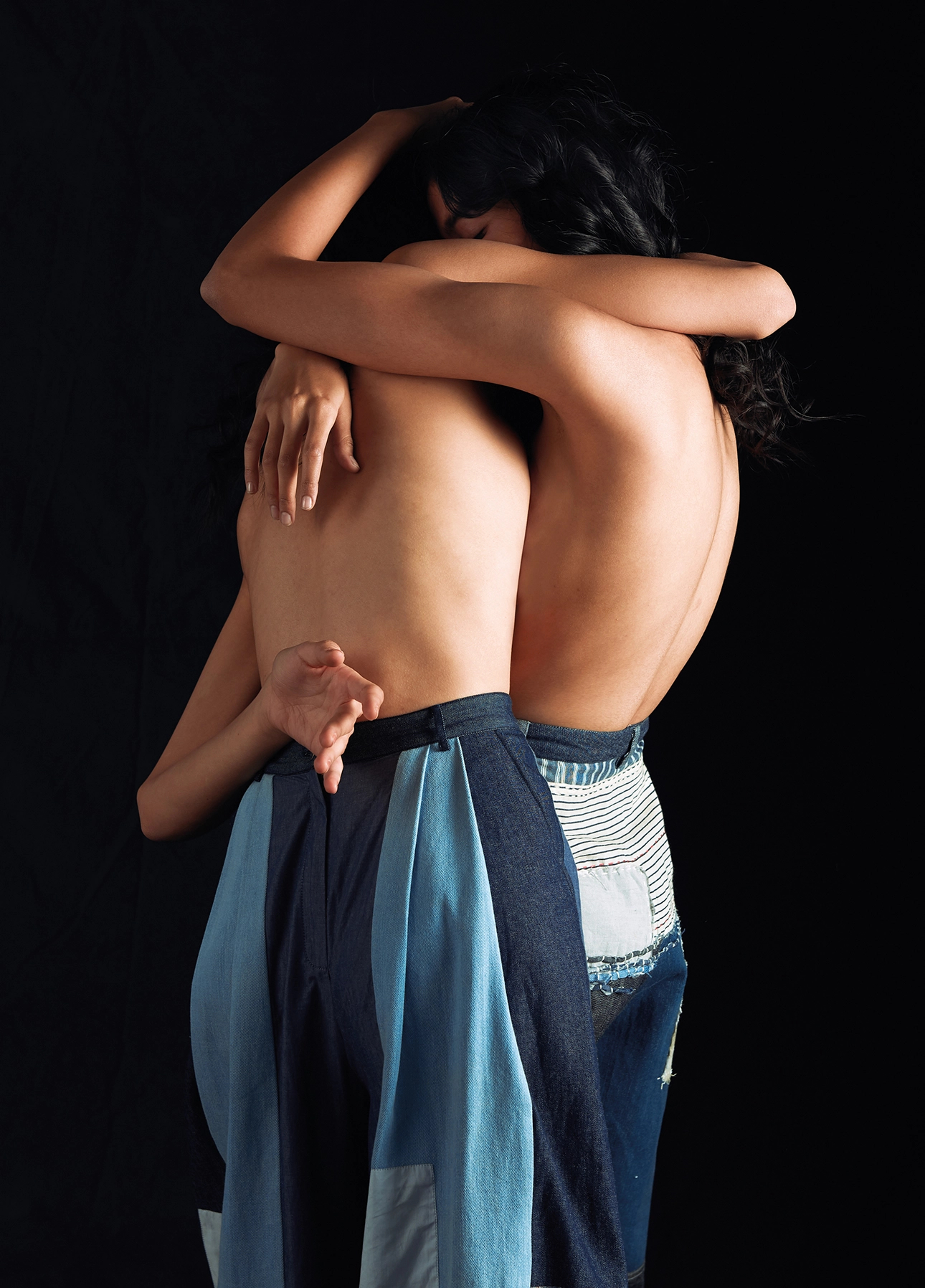
Interestingly, India too has played a major role in the evolution of this symbol of American style. Before synthetic dyes became the norm, the indigo dye used to give denim its quintessential blue shade was produced from Indigofera Tinctoria, a plant that is native to India. In fact, the word “dungaree” originated in the remote Indian village of Dongri in Maharashtra, where workers and farmers wore this practical onesie made from coarse cotton.
Though the potential market for denim was massive, Indian fashion was still at too much of a nascent stage to experiment with the centuries-old fabric in a credible way. In the ’70s, when jeans were shaping the rest of the fashion landscape, Indians struggled to find the right pair, as international denim brands were still unavailable in the country. That’s when the local population thronged boutiques and tailors for custom-made designs. One of the earliest establishments in the country was Mohan Singh Place in New Delhi. In business since 1969, this marketplace is renowned for its inexpensive tailor-made jeans. An influx of brands such as Levi’s (1994), Diesel (2010), GAS (2014) and other fast fashion brands in India filled the gap in the market and consumers moved to mass-produced denims. One of the oldest textile producers in the country, Arvind Mills, started making jeans in the early 1980s and, today, it is known as India’s largest denim manufacturer.
All this changed in the late noughties as people began to gravitate towards home-grown, hand-stitched and sustainable fashion. Though mass retailers gave customers an array of choices, they did not modify their offerings to suit the local climate or cater to the curvy Indian body. A few young Indian labels felt the need to produce jeans that resonated with demand in the country, without losing out on their premium appeal. Our search led us to five Indian designers — Shani Himanshu, Diksha Khanna, Chandni Sareen, Kanika Jain and Kriti Tula — who are modernising the fabric with minimal cuts, native drapes and indigenous weaves. They work with fabric scraps, innovative yarn blends, unconventional washes and vintage jeans to create one-of-a-kind products that are not only helpful in reducing one’s carbon footprint, but are also uniquely Indian interpretations of this fabric from the West.