New Walls With Familiar Hues
Mumbai’s Chatterjee & Lal has a new address but its welcoming, vintage character remains the same
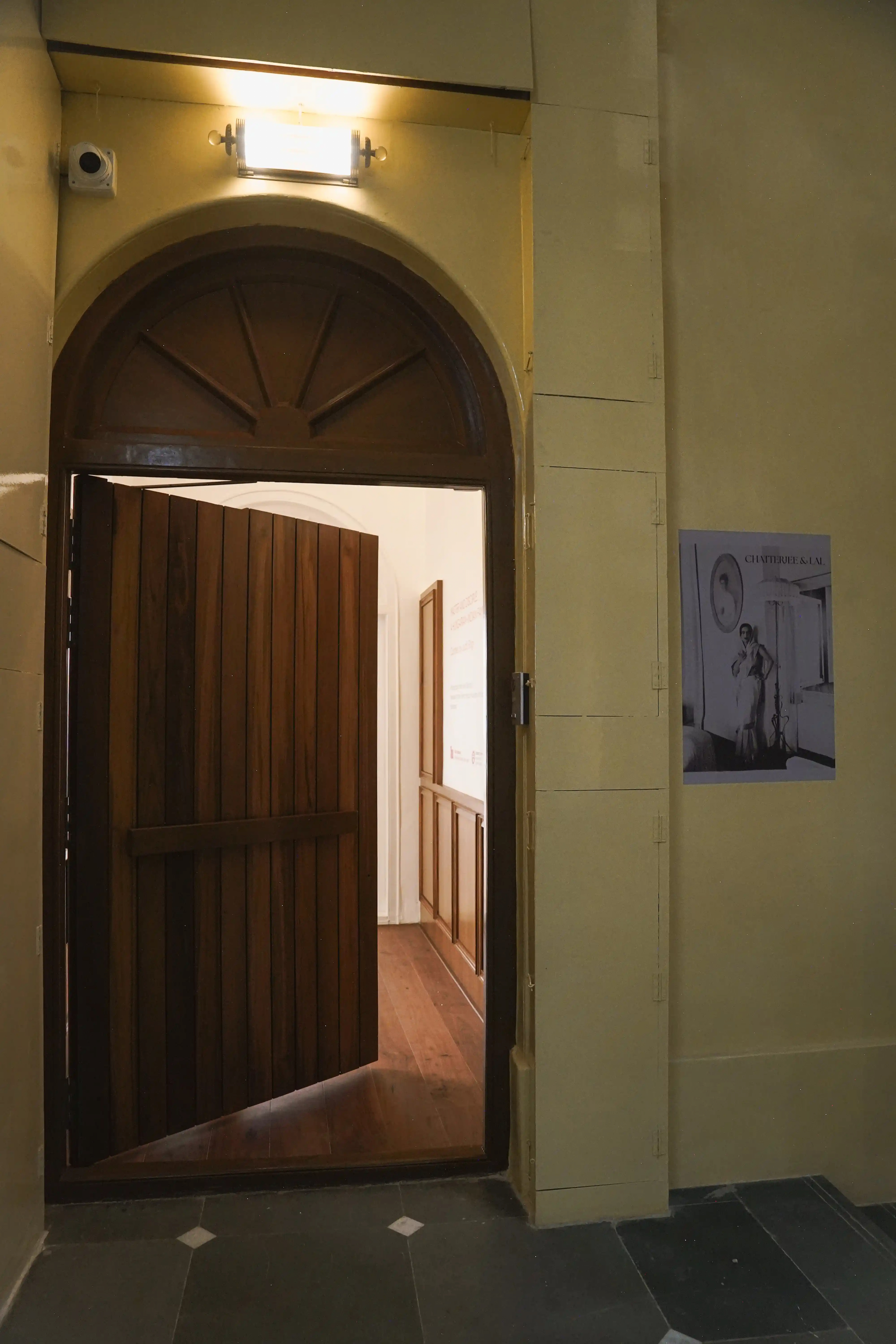
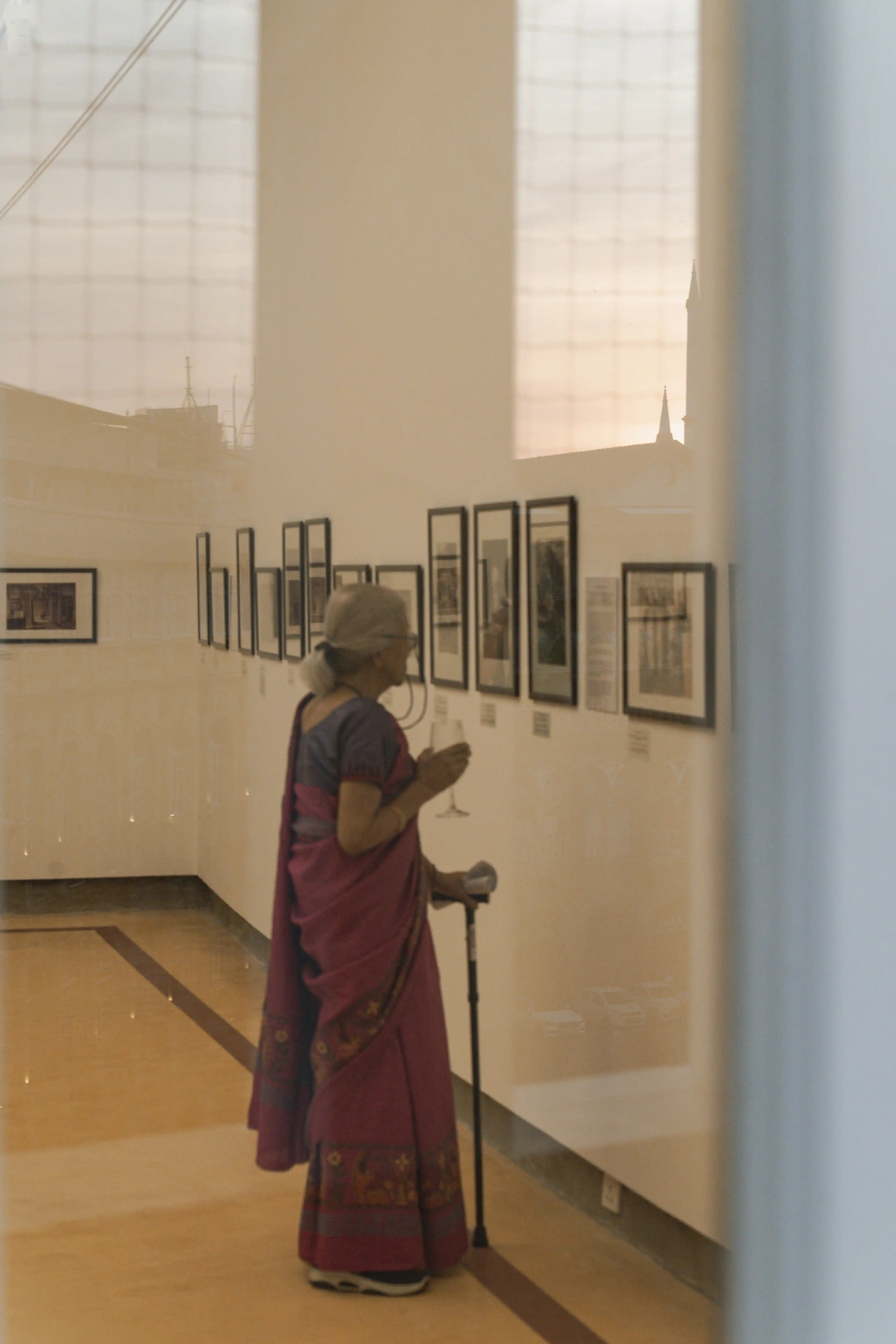
When you reach the third floor of the Sir H. C. Dinshaw building at Horniman Circle, a familiar door greets you. The handsome wooden panel below a blind arch opens into the newly launched space of Chatterjee & Lal, a contemporary art gallery based in Mumbai. When locations change, the move is often justified through numbers. A bigger footprint. Anticipation of greater sales. A newer clientele. But in this case, the shift into this 3,000-square-foot expanse seems to be more about carrying its 23-year-old history forward.
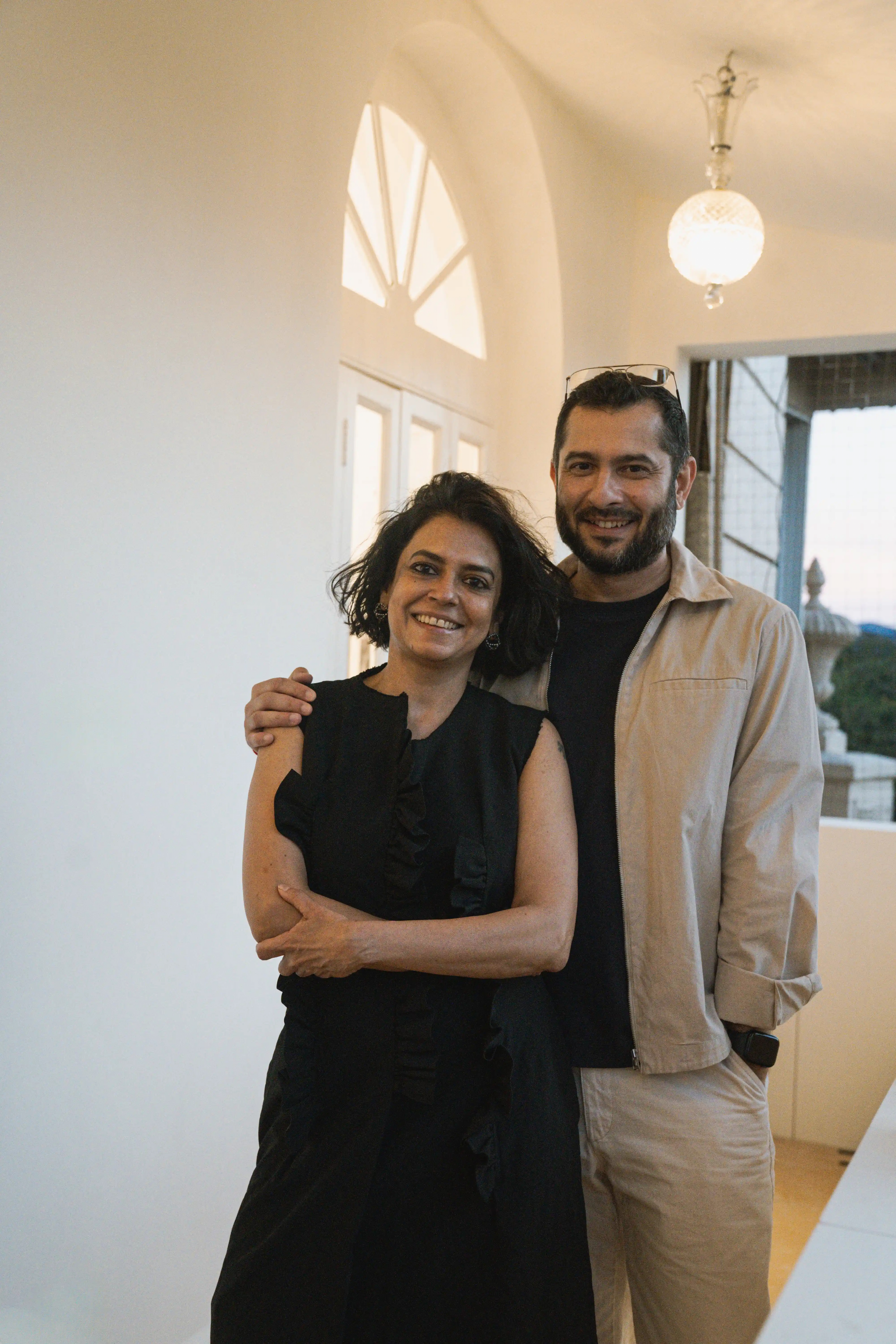
The gallerist couple, Mortimer Chatterjee and Tara Lal, tell us they discovered this address almost by accident. While attending the opening of a designer’s new gallery next door, Lal asked herself: “What would it take to move into a space like this?” After 18 years in their previous home at Kamal Mansion, right off the pier along the Gateway of India, they were ready to change locations. And this was what they had been waiting for. “It was love at first sight!” she exclaims. This is not a temporary or speculative step in the story of the gallery. “This is where we will retire,” Chatterjee says during our conversation. The timing, they say, felt right.
Its interiors, designed by architect Rajeev Agarwal, now houses two large offices, one private and the other for visitor inquiries, a kitchen, and two distinct exhibition areas. For the first time, there is an option to host two shows simultaneously, allowing different practices to sit alongside one another. One of the rooms can be transformed into a black box venue and is designed as a flexible space intended for performance, experimentation and time-based work. This marks a clear commitment to artists whose practices are more than static display.
The gallerists’ practice extends well beyond fine art, as they frequently showcase exhibitions that bring design objects and antiques into a dialogue with the artworks. By situating the work in ways that depart from the conventions of a gallery space, these formats allow visitors to encounter parallel streams simultaneously, thereby broadening their understanding of contemporary narratives.
It’s fascinating to notice how much of the old space has travelled to the new: the arched windows, open brick wall, and familiar grey skirting, are details that regular visitors will instantly recognise. Even the main door is identical to the one before. Rather than moving away from the memory of the previous gallery, a conscious choice has been made to embed it.
The building’s original IPS (Indian Patent Stone) flooring, which was set in the mid-1920s, was excavated from under layers of plywood. Its strong mustard tone, marked with lines and hatchings that speak of the building’s long-forgotten history, is lined with a bold red border that could suggest a path for visitors to navigate the space. One can sneak a glimpse into the old offices on the floors below the gallery, where the same flooring appears. The wall mouldings and ceiling patterns in the foyer have been recreated to allow the building’s history to gently leak into the gallery space.
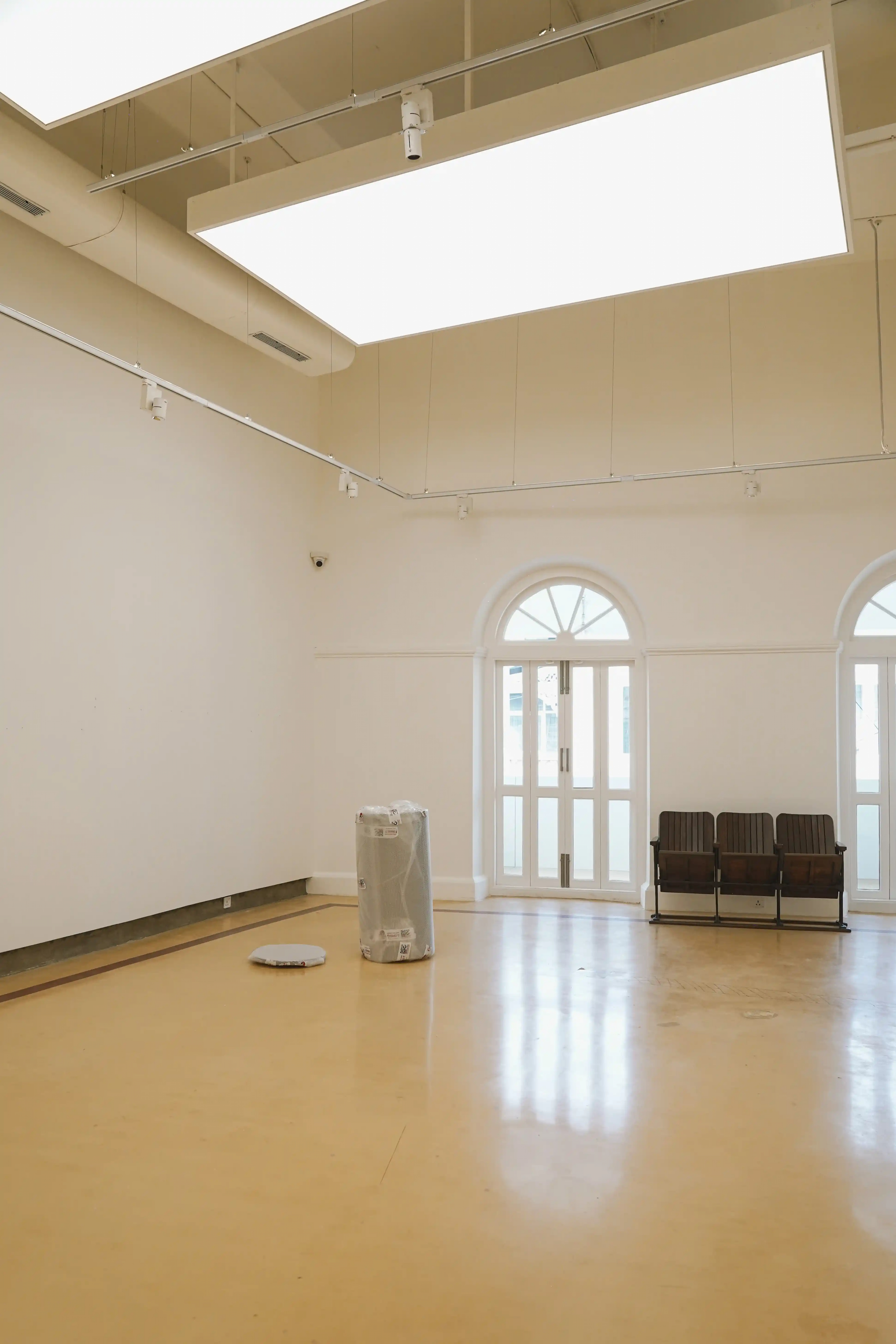
The primary exhibition hall, a large and luminous space — that includes three overhead soft boxes — has walls that curve almost imperceptibly; so subtle is the shift that it is revealed only by the lines traced on the flooring below. The building, one of the earliest to be erected in this neighbourhood over a century ago, curves decisively, embracing the circular garden at the centre of Horniman Circle. The building once housed a bank and multiple trading offices, while this space, until very recently, was used as a storage room for Birkin bags for the Hermès store that is located on the ground level.
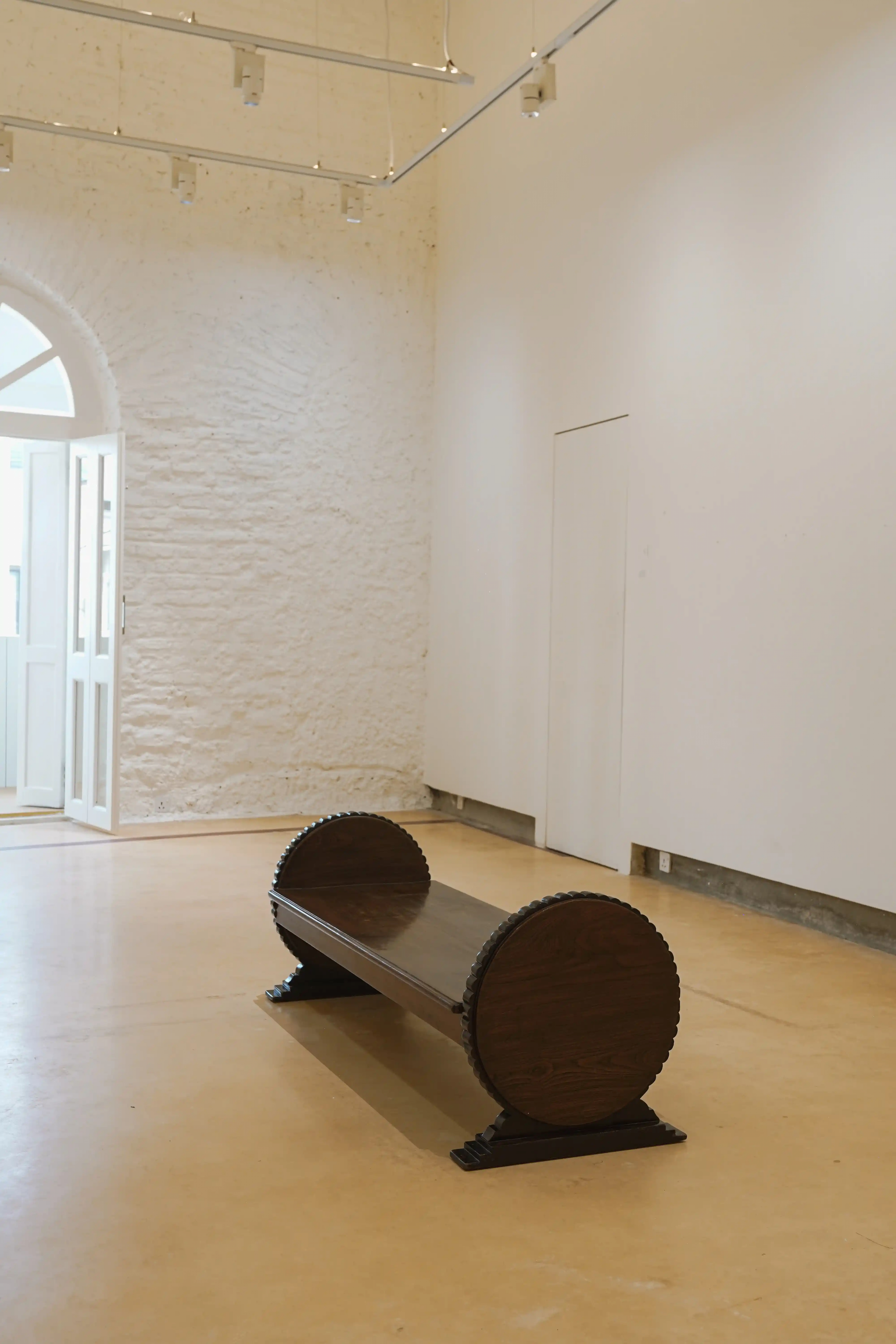
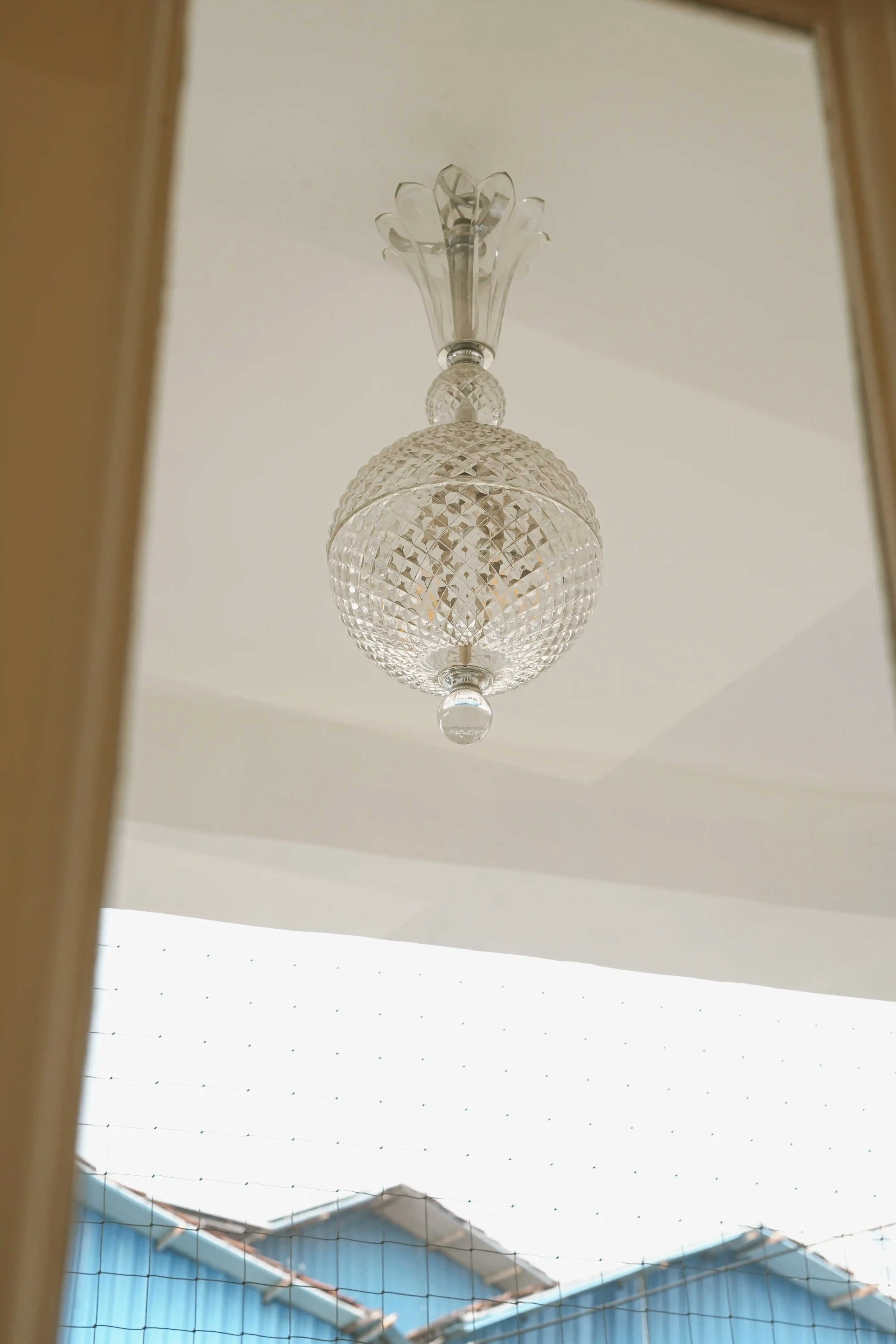
Furniture plays a quiet yet telling role. Lal, jokingly referred to as the “chair queen” by Chatterjee, has brought in a scalloped art deco bench from their own home to allow visitors to spend time with the works. In a corner of the other gallery, three conjoined wooden theatre chairs, sourced from an antiques dealer, sit obediently, like absorbed audience members. Two cast iron garden chairs, their backrests featuring nude figures, are positioned as if in conversation beneath crystal ceiling lamps on the balcony overlooking the curved street below.
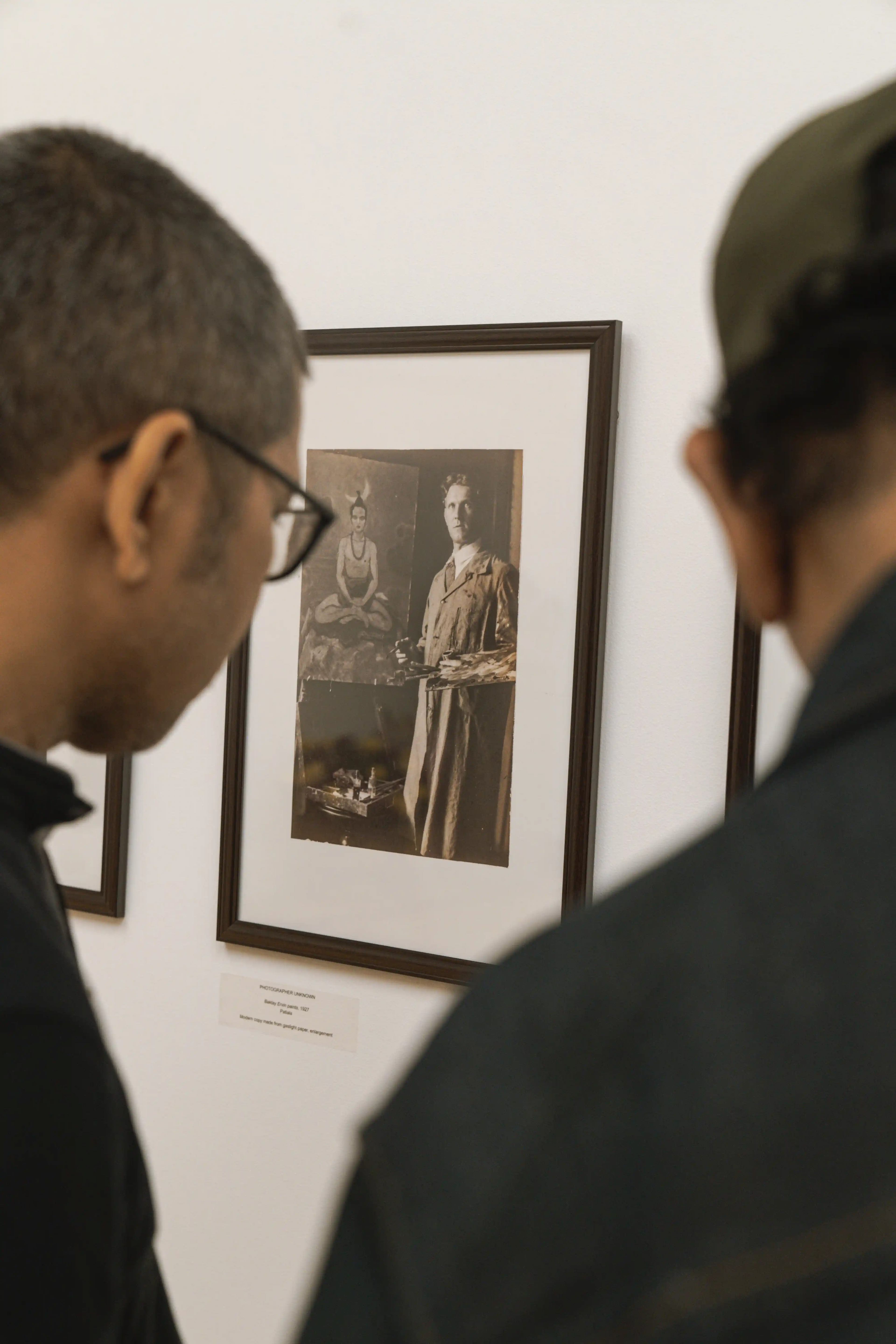
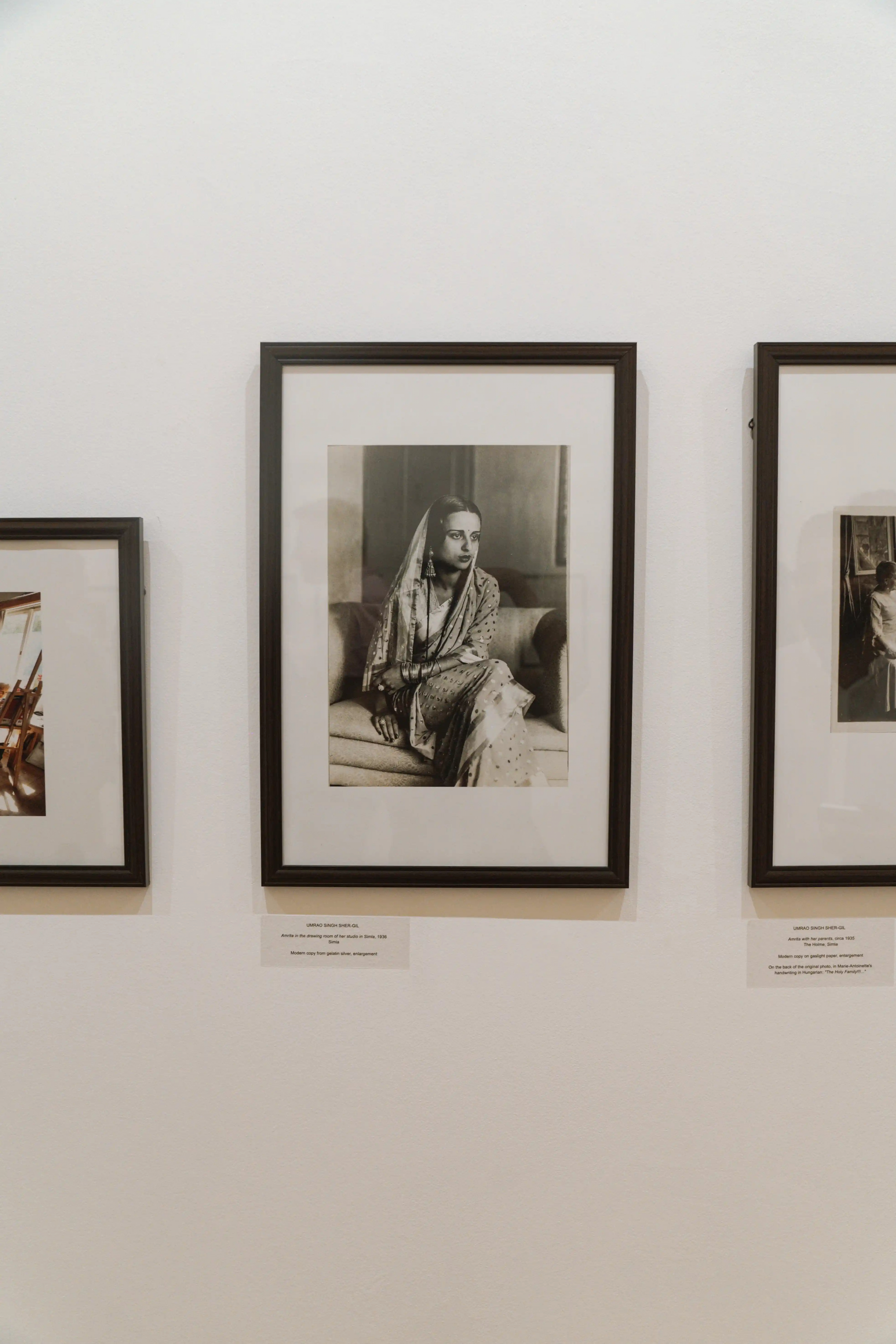
The new gallery opened to the public in late December 2025 with a show tracing the lives and photographic works of Umrao Singh Sher-Gil and Amrita Sher-Gil, harking back to the first exhibition they showcased in 2004. Does this move present a shift in the gallery’s positioning, not only from Colaba to Fort, but also from a historic neighbourhood to what is also a luxury fashion district? For it now sits alongside high-end retail and design spaces, and may invite a more transient flow of visitors. The new neighbourhood may be more upscale than the one they had previously resided in, but the DNA of the gallery, they insist, remains unchanged. Their intention is to remain as open and accessible as they always have been. “People should still feel as welcome to walk in, spend time, ask questions, and return,” Lal explains.
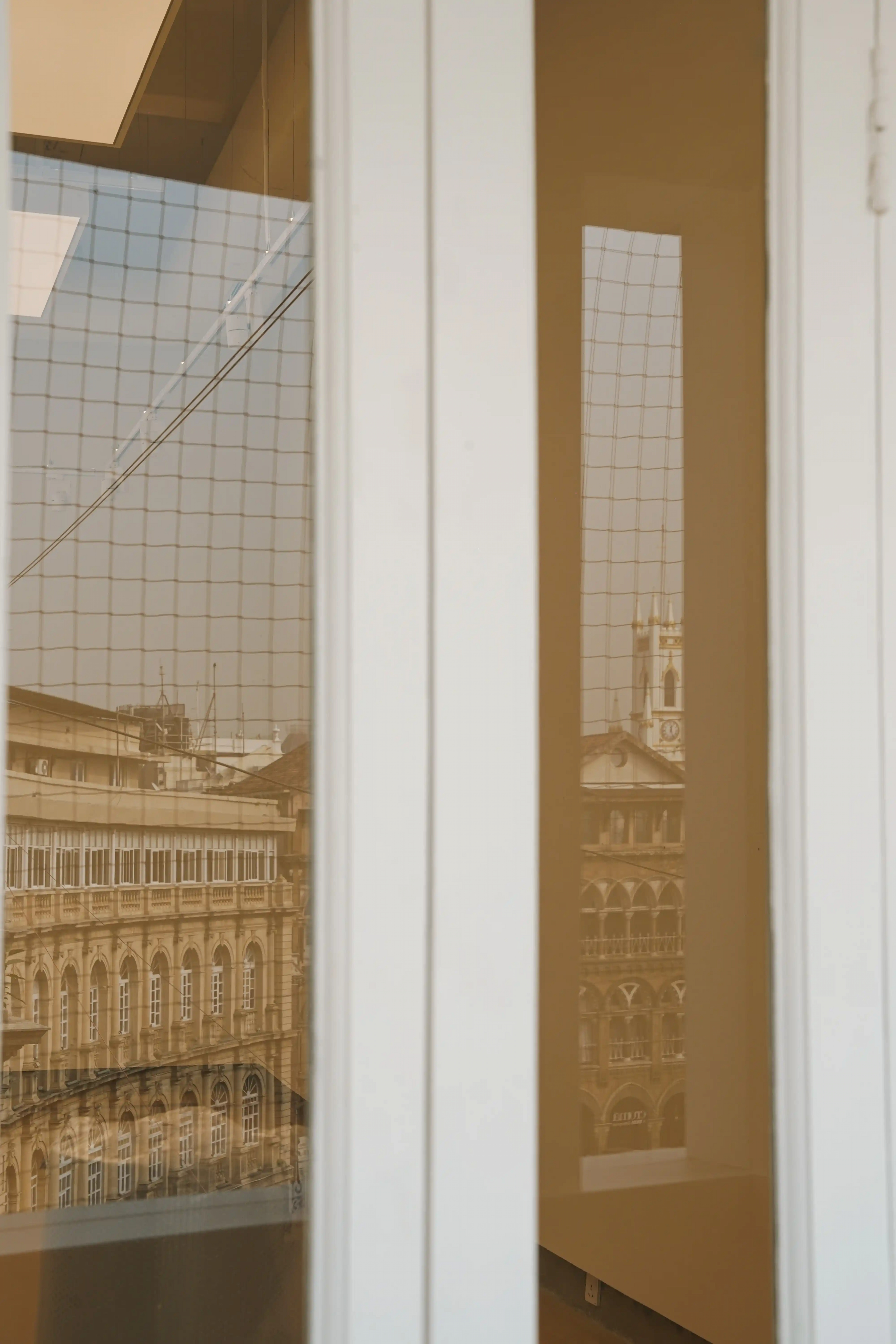
The biggest surprise after the move has been celestial in nature: every evening when the sun sets behind the St Thomas Cathedral across the street, the space is activated with a new energy as the golden glow of the sun bounces off the walls and the floor. “The possibilities are endless,” Chatterjee concludes.
In the end, the new space does not ask visitors to discover the gallery anew. The flooring underfoot has already witnessed a century of visitors, the door has been opened countless times before, and the chairs are waiting to be sat on again. The address may have changed, but the invitation does not. For the shift in its location and scale, the gallery’s measure of success remains simple: it continues to function as a space of experimentation, conversation, reflection, and discovery.