Fate Holds The Key
The BBC’s best-known man in South Asia, Sir Mark Tully, is familiar to listeners and viewers the world over for his incisive yet sensitive reportage, which provides a unique insight into life in the Subcontinent. Awarded the prestigious Padma Shri and named a Knight of the British Empire, he enjoys the unusual honour of being decorated by both the President of India and the Queen of England. In these beleaguered times, as lines of control sway dangerously close to the edge, the ‘Voice of India’ talks to Verve about why he remains hopeful and the need to depoliticise and reform…
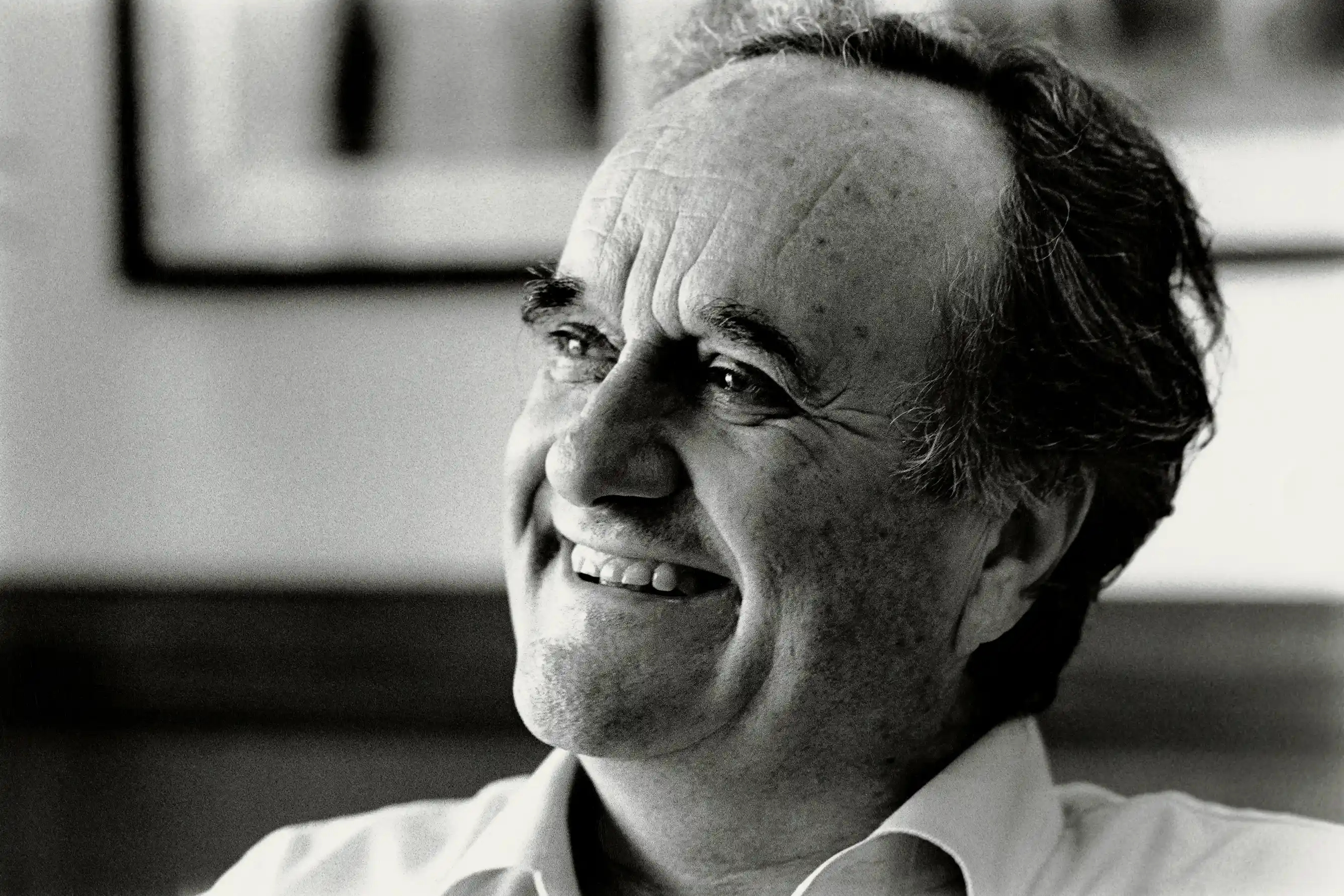
There are moments when he thinks, ‘Oh, I can never leave this country’ and others, when he questions, ‘What the hell am I doing here?’ Yet, 38 years after being sent to ‘this country’ by the British Broadcasting Corporation and close to a decade since leaving his job as South Asia correspondent, Sir Mark Tully has in fact chosen to stay on.
As he declares in the introduction to The Heart of India — his book of eloquent stories, delicately probing nuances of life in Uttar Pradesh — “It would need a poet to describe what India means to me….” A part of the country he is especially fond of, eastern Uttar Pradesh’s Gangetic Plain, exudes a pure beauty that touches Tully deeply. Perhaps there is a connection down the ages here, “which I believe still lives in me”. His great-grandfather and great-great-grandfather were in the state during the 1857 Mutiny. Ironically, today he finds the same place typifying “the worst possible politics” with its corrupt and inefficient “misgovernment”.
It is the first weekend of June. Tully has flown into Mumbai from Delhi — where he continues to live and work energetically on fresh assignments following his resignation from the BBC in 1994, to deliver a lecture titled — what else — “My India”, besides launching the British Council Library’s new India Collection books. This sultry Saturday morning, the 66-year-old, pads obligingly around the soft-carpeted business centre of the Taj Mahal Hotel for a photo shoot and a few interviews. “Please call me Mark,” he assures earnest young journos enquiring if he would like to be addressed as Sir Mark or Mr Tully. That the plush five-star ambience is a tad uncomfortable for him is obvious.
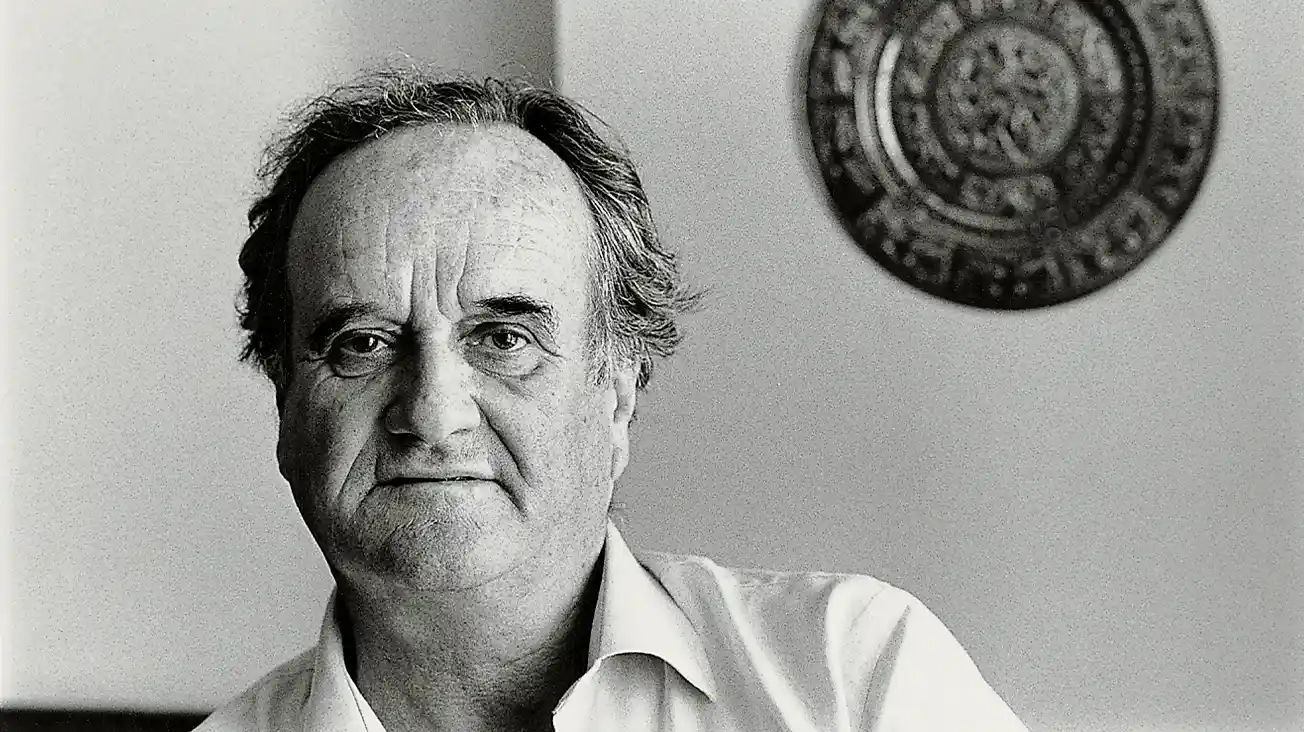
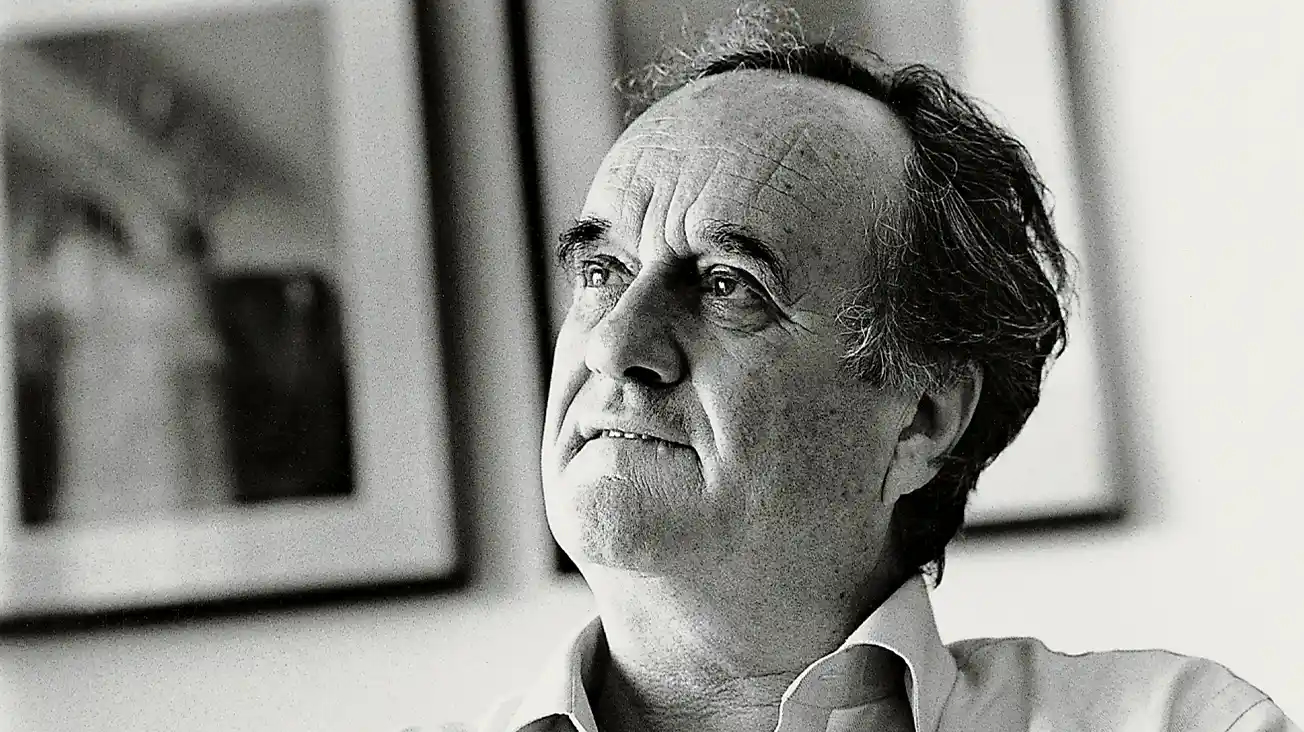
Whether dodging bullets in an episode of India-Pakistan turmoil, detailing the horrific aftermath of the Bhopal gas tragedy or studying the abject poverty of Kolkata’s street beggars, he has been on the scene analysing the situation with customary objectivity and commitment, in a tone tempered by the rare gift of accuracy blended with sensitivity. The moderate in him steered Tully admirably through a career so established, the world tuned in to hear him at every vital point. Be it the Bangladesh War, Indira Gandhi’s Emergency years (during which he was expelled), Operation Blue Star in the Golden Temple, Mrs Gandhi's assassination, Zulfiqar Ali Bhutto’s execution, the Soviet occupation of Afghanistan, the Babri Mosque demolition in Ayodhya or the ongoing Kashmir issue violence, the “Voice of India” or Tully saab, as thousands of villagers hail him, has mapped major sociopolitical events across the Subcontinent, with passion and precision.
Speaking fluent Hindi, no doubt with a tell-tale English accent, he has on occasion been accused by the West of a tendency to become too involved, that his commentaries barely escape being tinged by affection for the country of his adoption. “That’s not true,” he responds. “I’ve talked about India being a frustrating and extraordinarily annoying experience too. This is as absurd as the other claim, that I’m more Indian than Indians! I cannot change, nor want to change the reality that I’m fundamentally British.”
Kolkata-born Tully, a wealthy accountant’s son, was brought up by a strict European nanny and attended boarding school in Darjeeling as a young boy. He has an outstanding childhood memory. He remembers standing, sobbing at Sealdah station waiting for the train while leaving home for the first time. “The tears dried up the next morning when I joined crowds of mates. Do you know, I was happier there, than in any of my schools in England.”
Tully did not get to Britain until he was 10 and then, “England struck me as miserable, dark and drab without the bright skies of India.” Educated at Marlborough Public School and Cambridge, he remembers completing graduation “with the greatest difficulty”. Considering being ordained a priest in the Church of England, he abandoned the plan after two terms at Lincoln Theological College where he was told he belonged more in the public house than in the pulpit. “It was a painfully difficult period. I was in conflict between my religious nature, which was very much there, and my love for wasting time in beer bars being attracted to women who didn’t always seem attracted to me! I could not properly resolve this dichotomy.”
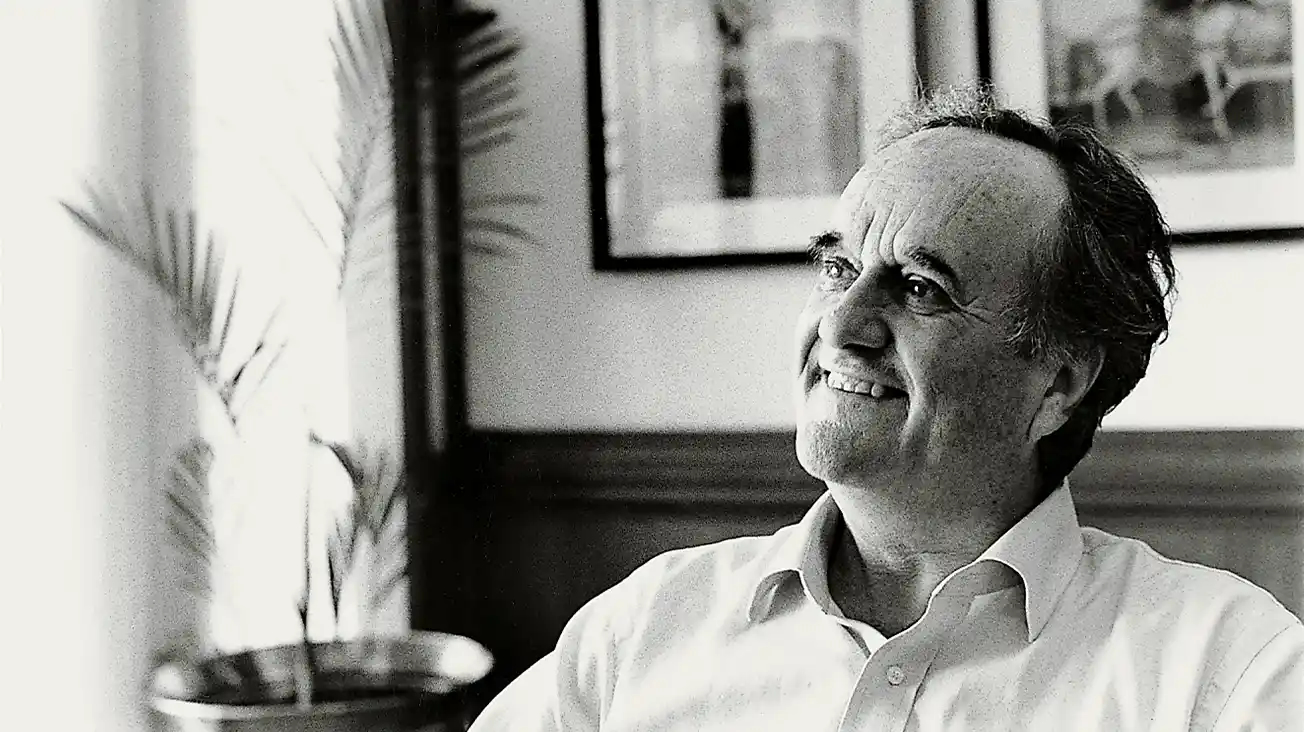
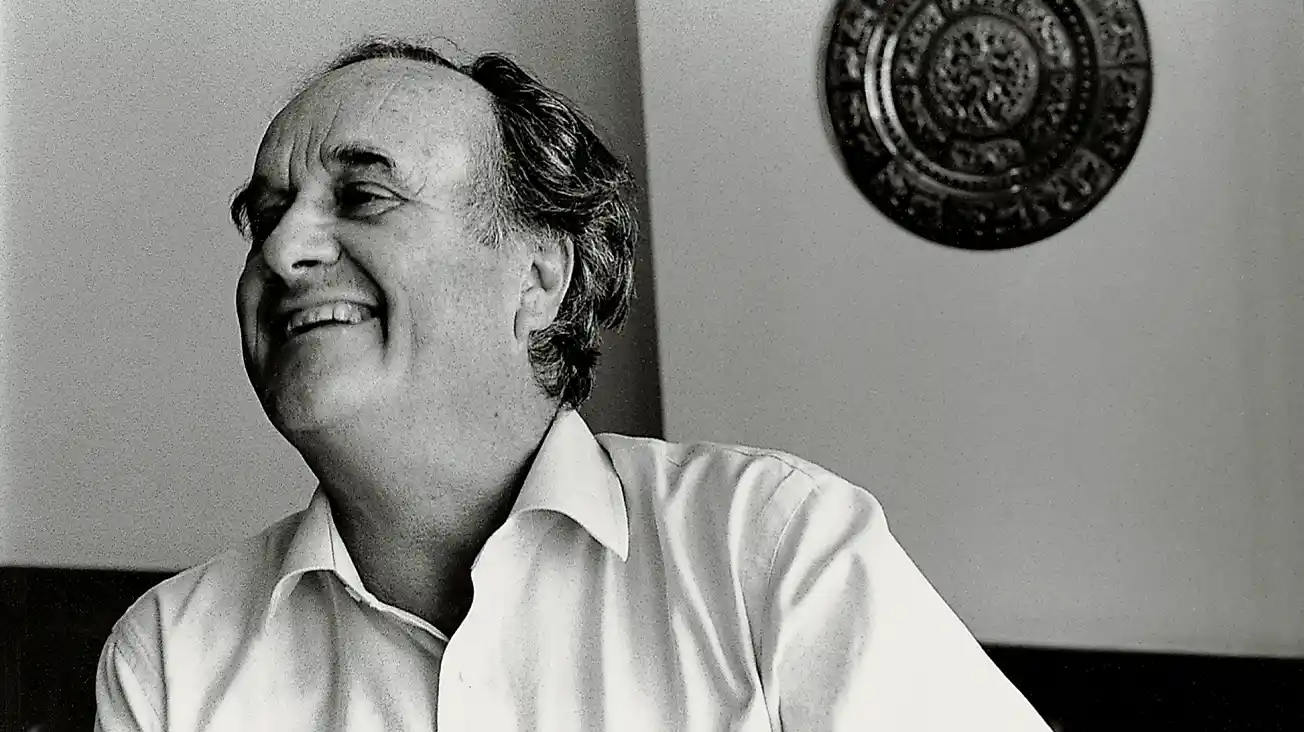
It’s strange that the man whose broadcasts were to captivate millions did not initially come to India as a commentator. He was sent by the BBC in 1964 to occupy an administrative post. “Cushy job but, didn’t like it a bit. Why administration, I thought. Why am I not out there doing those programmes myself? It was a little like undergoing military service for two years, as I had earlier in England, and wondering why I wasn’t in the fighting corps itself.”
Chuckling over how he got the break within a year, he stresses, “You’re not your own creation. It’s terribly important to accept the hand of fate which has played a role in my life.” He began by reporting on The Statesman-sponsored vintage car rally over a champagne breakfast with the Maharaja of Bharatpur at his Sohna palace. Tully, who had then turned 28. proceeded to “do many more stories”, a confirmation made with characteristic understatement.
Twenty years later, his achievements befittingly won him a pair of hallowed accolades, the Order of the British Empire, bestowed in 1985, and the Padma Shri from the Government of India in 1992. Gentle and unassuming as ever, he revealed in an interview to a daily newspaper last month, “I often got it wrong. I’ve made mistakes as a journalist. In 1979, after the Morarji Desai government fell, I predicted that the next Prime Minister would be Babu Jagjivan Ram. It turned out to be Charan Singh. When I went to Charan Singh’s house to interview him, these huge Jats all around started shouting ‘Mark Tully, murdabad, BBC Radio, murdabad’.”
A fond memory on a personal note trails back to when Tully had just arrived in Delhi. The beam broadens on a face that frequently crinkles into ready smiles, he reminisces, “It was a defining moment. At the Claridges, I stepped from my room onto the balcony to take in this heady whiff of sweet flower scents mixed with the delicious smells, the maalis were cooking their evening meal. Unforgettable...I was reminded of childhood hours spent in the servants’ quarters!”
India proved a haven for Tully’s preoccupying search for balance. Gratified at discovering a valuable history of seeing things in perspective rather than in terms of absolutes, he rues, “Sadly, it’s being eroded. Your background of dialogue is a matter of singular pride. Never existing in the West, the East has had it in abundance — the idea that to take one of two definite sides is wrong. But extremes are creeping in. People are either on a pedestal or thrown in the rubbish bin. Indian thought has been suspicious of certainties which shut out balance. To embrace certainty is calamitous.”
He adds, “Western civilisation lacks this sense. They have gone mad with rationalism. To say that to look beyond reason is to be anti-reason is blundering. Perceive two different but essential aspects. Indian philosophy is actually totally opposed to what’s happened in Gujarat. It is in the nature of the generosity of the Indian spirit to live with opposing forces. In the current context, you have strong polarities, either fanatic ideologues or simple-minded secularists. The secularists are as guilty as the Vishwa Hindu Parishad...I prefer to call India multi-faith, religiously plural, instead of secular.”
Advocating “non-violent” journalism, Tully holds, “The media bears the responsibility to promote understanding. Even the electronic media portrays constant feuding. Take the instance of NDTV’s The Big Fight. Why bring in militant spokespersons who reduce the show into a shouting match? Shouldn’t we listen to the liberals? All this is profoundly un-Indian. India must reclaim its legacy of tolerance and respect, Indians rejoice in their religions and put forth the moderate side of Hinduism and Islam. War is never the solution. Two nations on the brink of escalating tension must work their way out of the impasse together. Evolution is better than revolution. Globally, revolutions have created worse conditions.”
In the British Council speech, Tully expresses hope. “My India needs to modernise its administrative structure since we have stopped bothering about everything. We need to. depoliticise and reform.” Condemning the appalling treatment of radio in the country, especially its exclusion of broadcast news, he pronounces the controlling government grip over this exciting medium “a continuation of the old British mai-baap sarkar”. In a lighter vein, he adds, “Radio is great — not having to appear before anyone, it’s wonderful not worrying about whether my horrid face needs a shave!” Nine years ago, critical of BBC World Service Radio’s future plans, the doyen of foreign correspondents in India left the corporation after his formidable innings that built a reputation for reliability.
Equally successful as a writer, Tully co-authored, with BBC colleague Satish Jacob Amritsar: Mrs Gandhi’s Last Battle. This was followed by the lauded From Raj to Rajiv on radio, tracing the first 40 post-Independence years. His second book accompanied the series. In the bestselling No Full Stops in India, he appears to have distilled a lifetime’s love of the country in chapters examining the implications of subjects as diverse as Operation Black Thunder for Punjab, Roop Kanwar’s sati in Deorala, the Kumbh Mela and communism in West Bengal. The warm lyricism of The Heart of India caused Geoffrey Moorhouse to rave in The Guardian: “In everything he writes, Tully’s sympathy for and knowledge of India shine through...he is incomparable among foreign observers of that bewildering, utterly enchanting medley of peoples”. The end of this year will see India in Slow Motion published.
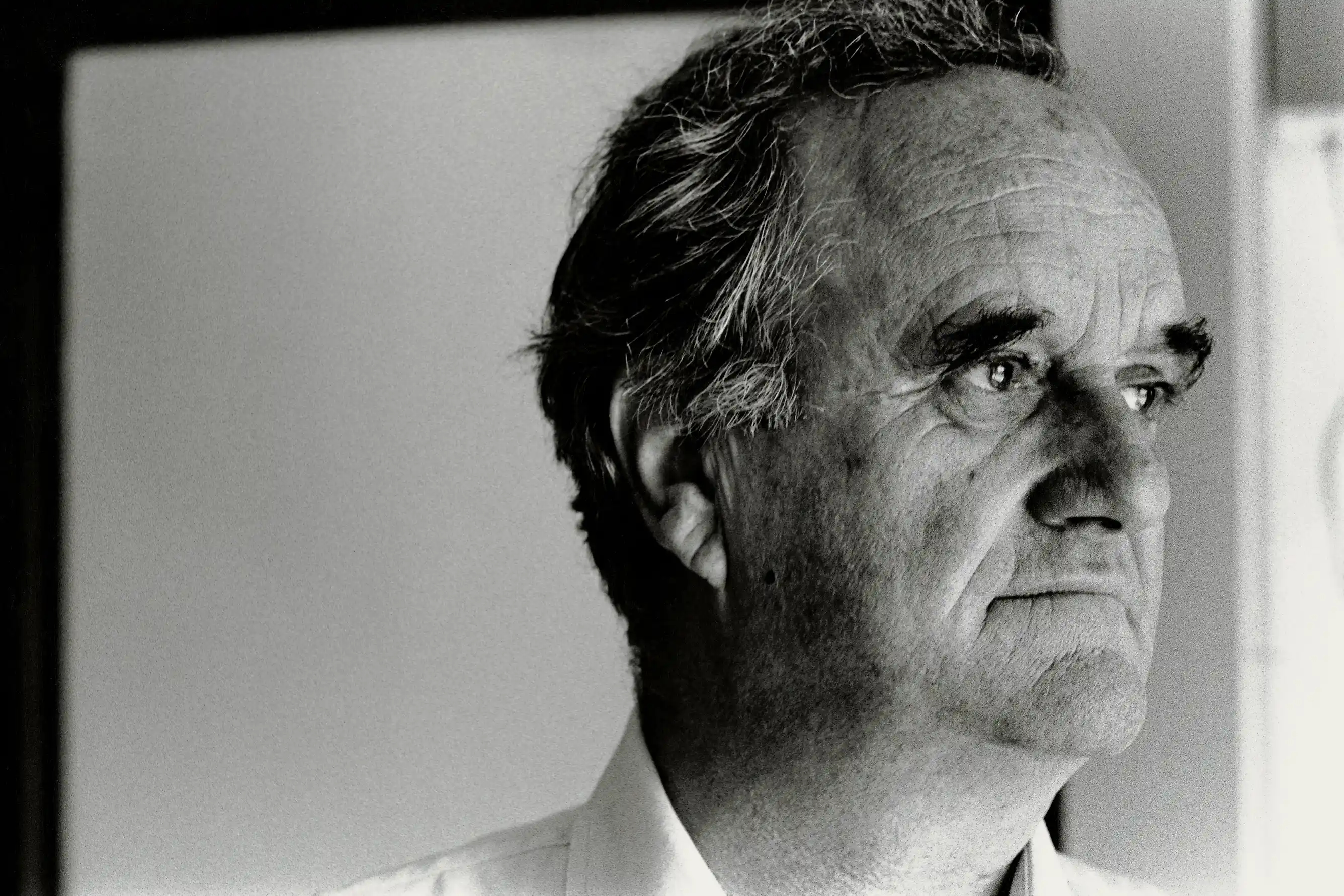
What is a relaxing routine when he is not keenly watching New Delhi’s political circus or hosting music and prose meditations on spiritual themes for Something Understood on Sunday Radio Four? Yoga, good current affairs programmes, a drink after a soothing bath, listening to music, meeting friends and settling down with books after supper. An admirer of Bollywood, he exults, “It’s lovely, so Indian!” He enjoys the exciting escape it affords. “Who doesn’t need escapism? We drink beer to escape, and read books to escape. Art cinema is all very well but never decry Bollywood. What puts people off many good films, great music and books is the pretentious posturing of some of their supporters. A section of the classical music cognoscenti made me feel like a musical illiterate before I could finally appreciate it,” says Tully who is partial to ecclesiastical compositions.
Visiting England at least twice each year, Tully was there in February for his mother’s 90th birthday. He keeps in touch with his four children and seven grandchildren, along with wife Margaret, from whom he is separated. Content, living and working with Gillian Wright, his partner for over twenty years now, he speaks of the failed marriage, after slight hesitation. “There is a sadness about it with me. I wasn’t a good husband but we’re better friends now than when we were together.”
Even as fears of a cross-border showdown began building up in June, pages-long printed travel warnings circulated among foreigners residing in the country. Heeding them, a number of families vacated Delhi and Mumbai day after day. Guess who never thought of leaving....