Avni Doshi’s Intensely Textured Debut Novel Presents Uncomfortable Truths About The Maternal Bond
In her 2020 work Burnt Sugar that was shortlisted for the Booker Prize, the author examines the complicated psyche of a daughter who has to turn caregiver for her Alzheimer’s-afflicted mother and rebuild their corroded relationship
We’ve all had moments of estrangement in our relationship with our parents. The dynamic between children and parents isn’t an easy one to decipher. It is messy. It is all over the place. It can get pretty complex. Is it because it’s the single relationship that we are born into? Is it because, try as we might, we still need the validation of the person whom we are born of? What does it mean to be someone’s child and then, at some point, to be their parent? Why does it mean so much?
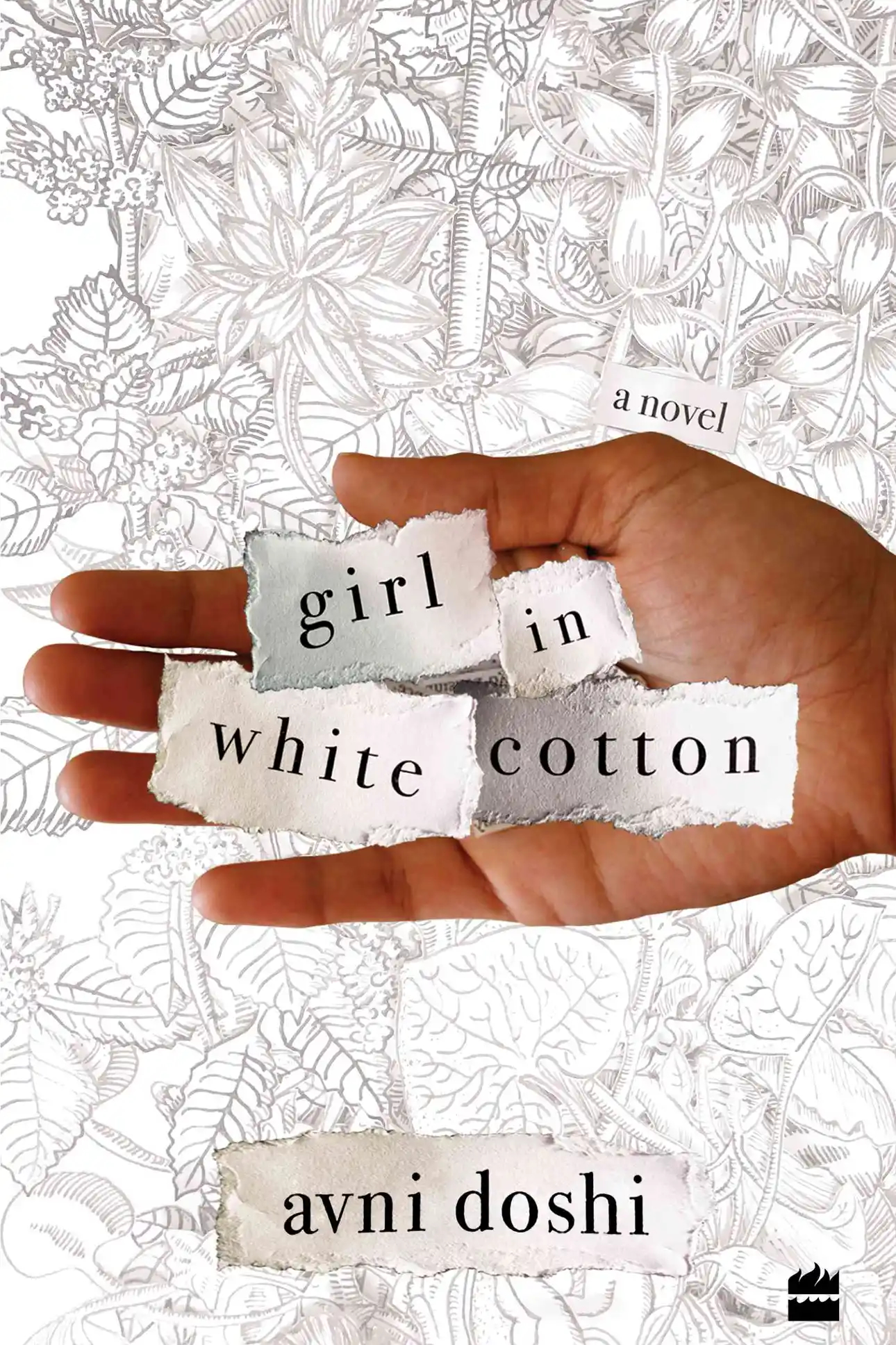
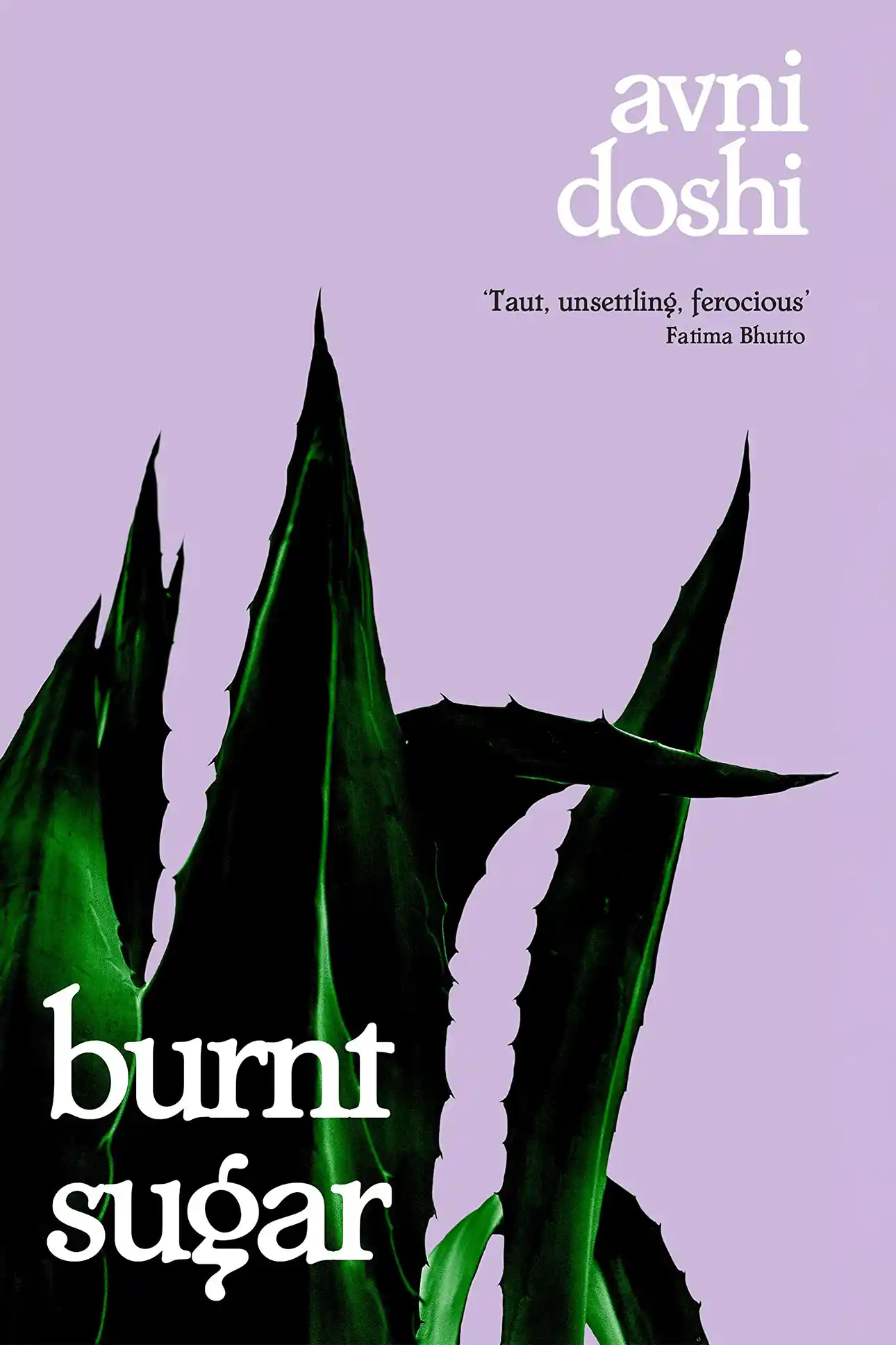
Burnt Sugar (published as Girl in White Cotton in India and other territories) by Avni Doshi is the story of a mother and her daughter. It is the story of absent people and spaces, of how it feels to oscillate between being aware of who you are and who you are scared to become. In this case, your mother.
Antara, born of Tara, lives a sheltered, closed life with her husband and circle of friends. They are affluent and have it all — almost. Antara hasn’t been in touch with her mother, and she doesn’t want to be. The woman who abandoned her husband, taking Antara with her to live in an ashram only because she fell in love with its guru, the leader of a cult. After decades, Tara reappears in her daughter’s life, suffering from Alzheimer’s disease and not knowing any better. Antara, on the other hand, learns to understand her mother. Her neuroses, her fears…and she even comes to realise that maybe they aren’t that different.
As you might have guessed, Burnt Sugar isn’t an easy read. Doshi details relationships and makes us see them for what they are. People are flawed — that’s a fact. Her characters aren’t easy to make sense of. You cannot compartmentalise them just because it makes the narrative simpler. They are complex, learning to live with the situations they face and making the wrong choices. Just like any of us.
“It was a golden age, a time when all the wrongs of the past were righted and the future was full of promise,” says Antara. It is as though she wants us to believe that her mistakes are no longer mistakes. That perhaps in seeing her becoming her mother, we can also forgive and overlook the things she does. Tara’s story — her opinions, what she saw and made of things growing up — is recounted through Antara’s voice. Every character’s story is told through Antara. It isn’t so much the question of creating an “unreliable narrator” as it is of making the caregiver the predominant figure. Doshi also rolls Antara’s angst of being a daughter into the same voice, which has to be taken with a pinch of salt.
Her writing is par excellence. Everyday objects gain prominence: the cotton saris, the sketchbook, the mementos that need to be broken and nose rings that are discarded. Time plays a very important role; from past to present and back to where it all began, Doshi’s presentation of chronology is fluid. In some moments, I thought I was following not two separate lives, but only one. This sweeping tale of mother and daughter across time merges their histories at one point, and all their angst is eventually washed away.
I guess our relationships evolve over time, due to circumstances and even as a function of age. I believe relationships cannot be viewed through a single lens because so much simmers underneath, and we always need an additional perspective. Even more so in the dynamic with parents. We aren’t them until we are. We struggle and defy everything until we become their mirror images. As Antara reflects, “Maybe the problem is that we are standing on the same side, looking out into the empty. Maybe we are hungry for the same things, but the sum of us only doubled that feeling. And maybe this is it, the hole in the heart of it, a deformity from which we can never recover.”